

There’s something undeniably comforting about biting into a warm, tender peanut butter cookie-the way it melts softly in your mouth, delivering that rich, nutty goodness with every chew. But achieving that perfectly soft texture can be surprisingly elusive. Too crumbly, too dry, or too dense, and the magic’s lost. That’s where this ultimate guide steps in.Whether you’re a seasoned baker craving the ideal balance or a beginner eager to master the art, we’ll unravel the secrets behind irresistibly soft peanut butter cookies.From ingredient tweaks to baking techniques, prepare to transform your cookie game and indulge in a batch that’s delightfully soft, chewy, and utterly unforgettable.
Soft peanut butter cookies start with choosing the finest ingredients and mastering the subtle art of mixing to achieve that irresistible, cloud-like texture. It’s a combination of science and love, where each element plays a vital role in creating a cookie that is tender, fluffy, and meltingly soft with every bite. Let’s dive deep into selecting the perfect components, the gentle folding and creaming techniques, and the carefully calibrated baking secrets that guarantee soft, chewy results every time.
Prep and Cook Time
- prep Time: 15 minutes
- Cook Time: 10-12 minutes
- Total Time: 27 minutes (including cooling)
Yield
Approximately 24 cookies, perfect for sharing or savoring over several days.
Difficulty Level
Easy to Medium - Accessible for beginners yet satisfying for seasoned bakers seeking perfection.
Ingredients
- 1 cup creamy peanut butter (natural, unsweetened if possible)
- 1 cup packed light brown sugar
- 1/2 cup granulated sugar
- 1 large egg, at room temperature
- 1 teaspoon pure vanilla extract
- 3/4 cup all-purpose flour, sifted
- 1/2 teaspoon baking soda
- 1/4 teaspoon fine sea salt
Instructions
- preheat your oven to 350°F (175°C). Line two baking sheets with parchment paper or silicone mats to ensure easy cookie removal and preserve softness.
- In a large mixing bowl, cream together the peanut butter, brown sugar, and granulated sugar using an electric mixer on medium speed until smooth, fluffy, and slightly lighter in color-about 3 minutes. This creaming step aerates the dough, laying the foundation for a tender texture.
- Beat in the egg and vanilla extract until fully incorporated and the mixture has a silky sheen.
- In a separate bowl, sift together the all-purpose flour, baking soda, and sea salt. Sifting is crucial as it lightens the flour and prevents dense pockets in your dough.
- Gently fold the dry ingredients into the wet mixture using a spatula in slow, intentional strokes-a technique that keeps the dough airy and prohibits over-mixing, which can toughen cookies.
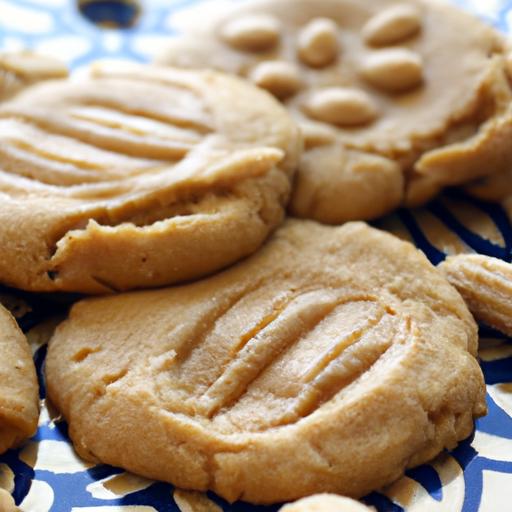
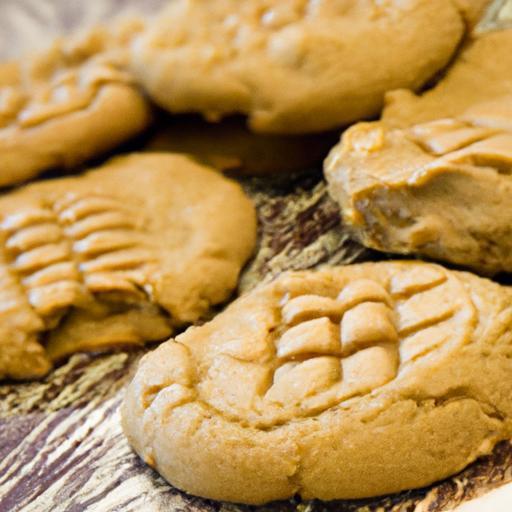
- use a tablespoon or small cookie scoop to portion dough onto the baking sheets, spacing them 2 inches apart to allow spreading.For classic peanut butter cookies, press down gently with a fork in a crisscross pattern to create those iconic ridges.
- Bake for 10-12 minutes until the edges appear just set but the centers look slightly underbaked-this is your secret to maximum softness.the cookies will continue to firm as they cool.
- Allow cookies to cool on the sheet for 5 minutes before transferring them to a wire rack to cool wholly.
Chef’s Notes: tips for Success
- Ingredient Choice matters: natural peanut butter with minimal additives enhances flavor without excess oil that can cause greasy cookies.
- Perfect Sugar Balance: Brown sugar not only adds sweetness but retains moisture, crucial for softness.
- Mastering Mixing: Over-mixing develops gluten, leading to tougher cookies. Fold gently after adding dry ingredients.
- Baking Time & Temperature: Watch closely as ovens vary; the cookies should appear slightly underdone.
- Make-Ahead Dough: Chill dough up to 24 hours for intensified flavor and even softer texture.
- Substitutions: for gluten-free, replace flour with a 1:1 gluten-free baking blend and sift similarly.
Serving Suggestions
These soft peanut butter cookies shine best served slightly warm, perhaps with a cold glass of milk or a dollop of vanilla ice cream.For a festive twist, dust with powdered sugar or drizzle with melted dark chocolate. garnish with a sprinkle of finely chopped roasted peanuts or flaky sea salt for textural contrast and enhanced flavor layers.

| Nutrient | Per Cookie |
|---|---|
| Calories | 120 kcal |
| Protein | 3 g |
| Carbohydrates | 14 g |
| Fat | 7 g |
For a deeper dive into cookie science and baking temperatures, check out this comprehensive guide on King Arthur Baking’s Cookie Baking Tips.Also, if you love experimenting, our Fluffy Vanilla Cupcakes recipe offers excellent companion baking techniques.
Q&A
Q&A: The Ultimate Guide to Perfectly Soft peanut butter Cookies
Q1: What makes peanut butter cookies soft instead of crunchy?
A1: The secret lies in balancing moisture and fat. Using ingredients like brown sugar, which retains moisture, and a bit more peanut butter or an extra egg yolk helps keep the cookies tender. Also, slightly underbaking them ensures they stay soft and chewy rather than crisp.
Q2: Can I use any type of peanut butter for soft cookies?
A2: Natural peanut butter with no added sugars or oils can work, but for the softest texture, creamy peanut butter with a bit of oil and sugar helps. It provides both moisture and binding power. Avoid chunky or low-fat varieties if softness is your goal.
Q3: How crucial is chilling the dough?
A3: Chilling the dough is key for controlling spread. It firms up the fats,which slows how much the cookies flatten during baking. This leads to a thicker, chewier cookie. aim for at least 30 minutes in the fridge, but longer (even overnight) can deepen flavors and improve texture.
Q4: Can I substitute ingredients to make the cookies gluten-free?
A4: Absolutely! Use a 1:1 gluten-free flour blend that contains xanthan gum for structure. Keep in mind that gluten-free flours behave differently, so watch your baking time closely and consider adding a little extra moisture (like an extra egg yolk or a teaspoon of milk) to maintain softness.
Q5: What’s the best way to store peanut butter cookies to keep them soft?
A5: Store them in an airtight container at room temperature, preferably with a slice of bread or a damp paper towel wrapped in foil inside. The bread or towel helps maintain moisture balance, preventing your cookies from drying out and getting hard.
Q6: Can I add mix-ins and still keep the cookies soft?
A6: Yes! Chocolate chips, chopped peanuts, or even a swirl of jam can add flavor layers without sacrificing softness. Just keep mix-ins moderate in quantity so they don’t interfere with the dough’s moisture and fat balance.
Q7: How do I know when my peanut butter cookies are done?
A7: Look for edges that are set but centers that still look slightly underbaked – the cookies will continue to firm up as they cool. A gentle touch should leave a slight indentation. When in doubt, pull them out a minute or two early rather than overbaking.
With these tips in hand, you’re ready to bake irresistibly soft peanut butter cookies that melt in your mouth – a true treat for every peanut butter lover!
The Conclusion
With these tips and tricks in your baking arsenal, mastering the art of perfectly soft peanut butter cookies is no longer a distant dream but a flavorful reality. Whether you’re aiming for a chewy treat to savor with your afternoon coffee or a tender cookie that melts in your mouth, this guide has you covered from start to finish. So preheat that oven, gather your ingredients, and get ready to fill your kitchen with the irresistible aroma of freshly baked goodness. Here’s to countless batches of soft, scrumptious peanut butter cookies that will have everyone asking for just one more bite!