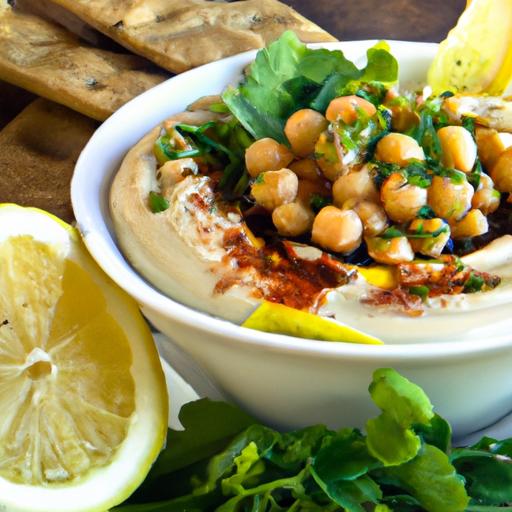


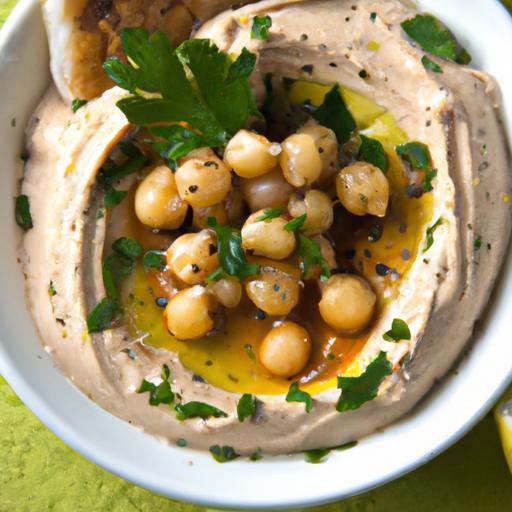
When it comes to classic dips, hummus reigns supreme-creamy, versatile, and beloved across cultures. But what if you could take this timeless favorite and give it a flavorful, nutritious twist? Enter black-eyed pea hummus, a vibrant variation that not only delights the taste buds but also packs a powerhouse of nutrients.Swapping chickpeas for black-eyed peas adds a unique texture and an earthy sweetness, while offering an remarkable dose of fiber, protein, and essential vitamins. In this article, we’ll explore how black-eyed pea hummus brings a fresh spin to yoru appetizer table, along with tips for making it at home and ideas for savoring every creamy, wholesome bite.
black-eyed pea hummus offers a refreshing, nutritious twist on the conventional chickpea-based dip, blending rich Southern heritage with mediterranean flair. This vibrant legume not only brings a creamy texture but also a subtle earthiness that elevates every bite, making it a standout appetizer your guests will rave about. Whether you’re new to black-eyed peas or a longtime fan, this recipe will inspire you to savor their delightful nutritional benefits while crafting a dip that’s both wholesome and irresistibly smooth.
Prep and Cook Time
Preparation: 15 minutes | Cooking: 45 minutes | Total Time: 1 hour
yield
Approximately 2 cups of black-eyed pea hummus (serves 6-8 as a dip)
Difficulty Level
Easy – Perfect for cooks of all skill levels looking to expand their dip repertoire.
Ingredients
- 1 cup dried black-eyed peas, rinsed and soaked overnight
- 3 cups water (for cooking peas)
- 1/4 cup tahini, well stirred
- 3 tablespoons fresh lemon juice (approx. 1 lemon)
- 2 cloves garlic, minced
- 1/3 cup extra-virgin olive oil, plus extra for drizzling
- 1 teaspoon ground cumin
- 1/2 teaspoon smoked paprika (plus extra for garnish)
- 1/2 teaspoon salt, adjust to taste
- Freshly ground black pepper, to taste
- 2 tablespoons cold water (to adjust consistency)
- Optional: 1/4 teaspoon cayenne pepper or a pinch of red pepper flakes for a slight kick
Instructions
- Cook the black-eyed peas: Drain soaked peas and place them in a medium saucepan with 3 cups fresh water. Bring to a boil over medium-high heat, then reduce to a simmer. Cook uncovered for 30-40 minutes or until peas are fork-tender yet not mushy. Drain and allow to cool slightly.
- Prepare the hummus base: In a food processor, combine the cooked black-eyed peas, tahini, lemon juice, garlic, cumin, smoked paprika, salt, and black pepper. Pulse to begin blending the mixture smoothly.
- Incorporate the olive oil: With the processor running, slowly drizzle in the olive oil. Continue processing until the mixture turns creamy and uniform,about 2-3 minutes. If the dip feels too thick, add cold water a tablespoon at a time to achieve that silky smooth consistency.
- Taste and adjust: Sample your hummus and adjust seasonings as needed. For more brightness, add extra lemon juice; to warm it up, sprinkle a pinch of cayenne or additional smoked paprika.
- Transfer and chill: Spoon the hummus into a serving bowl. Cover with plastic wrap and chill in the fridge for at least 30 minutes to allow flavors to meld beautifully.
Tips for Success
- Soaking black-eyed peas: Soaking overnight drastically cuts cooking time and softens the peas,ensuring a smooth hummus without graininess.
- Achieving perfect texture: Adjust the amount of cold water carefully-it’s the secret to that luscious, spreadable mouthfeel.
- Flavor layering: Roast the garlic prior to blending for a mellow, sweeter note if you prefer a subtler garlic essence.
- Make-ahead magic: This dip tastes even better the next day and can be stored in an airtight container refrigerated for up to 5 days.
- Vegan and gluten-free: Naturally free of gluten and dairy, making it a crowd-pleaser for diverse dietary needs.
Creative Serving Suggestions to Elevate Your Classic Dip
Present your black-eyed pea hummus with a drizzle of high-quality olive oil, a sprinkle of smoked paprika, and freshly chopped parsley or cilantro for a burst of green vibrancy. Serve alongside an array of colorful vegetable crudités-think crunchy carrot sticks, radiant bell pepper strips, and crisp cucumber rounds-for a refreshing, health-forward snack.For somthing heartier, spread it on toasted pita bread dusted lightly with za’atar or scoop it with warm falafel bites for a Mediterranean-inspired platter. An unexpected twist is to dollop the hummus atop roasted sweet potatoes or use it as a flavorful sandwich spread layered with roasted veggies and arugula.
tips for Storing and Enhancing Freshness in Black-Eyed Pea Hummus
Store your black-eyed pea hummus in a tightly sealed container to keep air exposure minimal-this helps preserve its bright flavor and creamy texture. A thin layer of olive oil on top before sealing creates a natural barrier to oxidation and extends freshness. Always use a clean spoon to serve, preventing contamination. Rejuvenate chilled hummus by stirring in a few drops of water or lemon juice and a swift extra drizzle of olive oil before serving to refresh the creaminess and zing. For freezer storage, portion the hummus into airtight containers and freeze for up to 3 months; thaw overnight in the fridge and stir well before enjoying.
| Nutrient | Per 1/4 Cup Serving |
|---|---|
| Calories | 140 kcal |
| Protein | 6 g |
| Carbohydrates | 20 g |
| Fat | 6 g |
| Fiber | 5 g |

For a deeper dive into the versatility of legumes and hummus varieties,check out our detailed Ultimate Guide to Hummus Varieties. To explore the impressive health benefits of black-eyed peas, visit the Nutrition Society for expert insights and research.
Q&A
Q&A: Black-Eyed Pea Hummus – A Nutritious Twist on a Classic Dip
Q1: What is black-eyed pea hummus?
A: Black-eyed pea hummus is a vibrant variation of traditional hummus that swaps out chickpeas for nutrient-packed black-eyed peas. This twist offers a creamy, earthy flavor with a slightly sweeter undertone, adding a fresh spin to a beloved Middle Eastern dip.
Q2: Why use black-eyed peas instead of chickpeas?
A: Black-eyed peas bring their own unique nutrition to the table. They’re rich in fiber, protein, and essential vitamins like folate and vitamin A. Plus, their mild taste pairs beautifully with classic hummus ingredients, creating a dip that’s both wholesome and delightfully different.
Q3: How does the texture compare to classic hummus?
A: The texture of black-eyed pea hummus is silky smooth but with a slightly creamier, softer profile. As black-eyed peas are tender and delicate once cooked, the hummus has a luscious consistency that makes it perfect for dipping, spreading, or dolloping.
Q4: What are some health benefits of black-eyed pea hummus?
A: This dip is a powerhouse of plant-based protein and fiber, promoting digestive health and satiety. It’s low in fat and cholesterol-free, making it a heart-friendly option. The folate in black-eyed peas supports cellular function and energy, while antioxidants help fight inflammation-making it a nutritious snack or appetizer.
Q5: Can black-eyed pea hummus be flavored differently?
A: Absolutely! While classic flavors like garlic, lemon, and tahini complement black-eyed peas beautifully, you can experiment with roasted red peppers, smoked paprika, fresh herbs, or even a hint of cumin.Each addition enhances the dip’s complexity, inviting creativity into your kitchen.
Q6: How do you make black-eyed pea hummus at home?
A: Start by cooking dried black-eyed peas until tender (or use canned for convenience). Blend them with tahini, garlic, lemon juice, olive oil, salt, and a splash of water until smooth. Adjust seasoning to taste, then chill and serve with pita, veggies, or as a sandwich spread.
Q7: Who might enjoy black-eyed pea hummus the most?
A: Anyone looking to diversify their plant-based diet or seeking a nutritious snack will appreciate this dip. It’s perfect for vegans, vegetarians, and anyone curious about flavorful snacks that nourish the body and delight the palate.
Q8: Where can I buy black-eyed pea hummus if I don’t want to make it?
A: While less common than chickpea hummus, select health food stores and farmers’ markets sometimes carry specialty hummus flavors including black-eyed pea varieties. Alternatively, many online retailers and specialty brands offer innovative hummus blends for adventurous eaters.
Q9: How should black-eyed pea hummus be stored?
A: Keep it refrigerated in an airtight container for up to 4-5 days. as it contains fresh ingredients like lemon and garlic, enjoying it sooner rather than later ensures the best flavor and texture.Q10: What makes black-eyed pea hummus a standout at gatherings?
A: Its creamy texture, subtly sweet flavor, and nutritional punch make black-eyed pea hummus a crowd-pleaser that’s both familiar and novel. Serve it alongside vibrant veggies or crunchy crackers, and watch it disappear-turning any meal or party into a festivity of taste and health.
If you’re ready to shake up your snack routine, black-eyed pea hummus offers a deliciously nutritious invitation to dip, spread, and savor!
Key Takeaways
whether you’re seeking a vibrant twist on a beloved classic or exploring new ways to boost your nutrition, black-eyed pea hummus offers a delicious solution that’s both wholesome and versatile. Its creamy texture and subtly earthy flavor make it perfect for dipping, spreading, or even drizzling over salads. By embracing this nutrient-packed legume, you’re not only treating your taste buds but also nourishing your body with fiber, protein, and essential vitamins. So next time you reach for a snack or appetizer, why not give black-eyed pea hummus a try? It’s a simple swap that brings a world of flavor and wellness to your table-proving that sometimes, the healthiest choices are the most delicious, too.