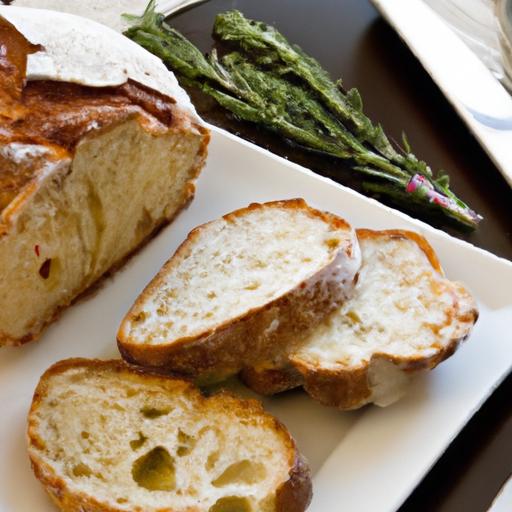


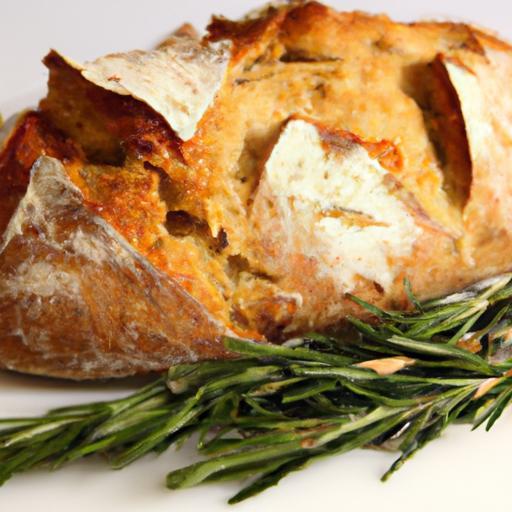
There’s something truly magical about the aroma of fresh bread wafting through the kitchen, but when that bread is infused with the earthy, piney essence of rosemary and the rich, fruity warmth of olive oil, it transcends ordinary into unusual. Aromatic Rosemary Olive Oil Bread is more then just a loaf; it’s a flavorful delight that enchants the senses and elevates any meal from simple to sophisticated.In this article, we’ll explore the origins, ingredients, and baking techniques that bring this fragrant bread to life, inviting you to experience a perfect harmony of taste, texture, and tradition. Whether you’re a seasoned baker or a curious foodie, prepare to dive into the world of rosemary-infused goodness that will soon make its way to your table-and your heart.
Aromatic rosemary olive oil bread takes the simple pleasure of homemade bread and elevates it with the fragrant, herbaceous notes of freshly infused olive oil. This delightful bread, inspired by Mediterranean flavors, is a testament to the art of subtle infusion, craftsmanship in dough readiness, and mindful baking techniques.The secret lies in the perfect balance of rosemary essence mingling with the bread’s tender crumb, resulting in an experience that warms both heart and palate.
Prep and Cook Time
- preparation: 25 minutes
- Proofing: 1 hour 30 minutes
- baking: 25-30 minutes
- Total Time: Approximately 2 hours 25 minutes
Yield
Yields 1 medium-sized loaf (about 8 servings)
Difficulty Level
Medium – perfect for home bakers ready to explore infused flavors with artisan results
Ingredients
- 1 ¾ cups all-purpose flour, sifted
- 1 cup warm water (about 105°F/40°C)
- 2 teaspoons active dry yeast
- 1 teaspoon sugar
- 1 teaspoon sea salt
- ¼ cup extra virgin olive oil
- 2 tablespoons fresh rosemary, finely chopped
- Extra fresh rosemary sprigs for garnish (optional)
- Flour for dusting
The Art of Infusing Olive Oil with Rosemary Essence
Begin by gently warming ¼ cup of extra virgin olive oil in a small saucepan over very low heat. Add the fresh rosemary sprigs and allow them to steep for 15 minutes, taking care not to let the oil smoke or burn. This slow infusion draws out the aromatic oils from the rosemary, creating a delicate yet vibrant essence that will permeate your bread. After infusion, strain and set the oil aside to cool. This rosemary olive oil will be your secret ingredient to an extraordinary loaf.
Crafting the Perfect Dough for Aromatic Bread
- Activate the yeast: In a small bowl, combine warm water, sugar, and yeast. Stir gently and let it bloom for 5-7 minutes until foamy, signaling active yeast ready to give your bread its lift.
- Mix dry ingredients: In a large mixing bowl, combine sifted all-purpose flour and sea salt. Create a well in the center.
- Combine wet and dry: Pour the yeast mixture into the flour well, then add the rosemary-infused olive oil. Slowly incorporate the dry ingredients with a wooden spoon until a shaggy dough forms.
- Knead the dough: Transfer dough to a floured surface and knead for 10 minutes until smooth and elastic. Kneading develops gluten, ensuring your bread has the perfect chewy texture.
- First proof: Place the dough in a lightly oiled bowl,cover with a damp towel or plastic wrap,and let it rise in a warm spot until doubled in size (about 1 hour).
Baking Techniques to Enhance Flavor and Texture
- Shape the loaf: Gently punch down the risen dough and shape it into an oval or round boule. lightly dust the top with flour and place on a parchment-lined baking sheet or in a banneton basket for a rustic crust.
- Second proof: Let the shaped dough rest for an additional 30 minutes to relax the gluten, allowing for an open crumb and thorough rise.
- Preheat oven: Heat your oven to 425°F (220°C) with a baking stone or heavy tray inside to create a hot surface.
- Score and bake: Using a sharp knife or bread lame, score the dough with artistic slashes – this helps control the expansion and adds visual appeal. Place the dough in the oven and promptly add a few tablespoons of water to a hot baking tray or spray the oven walls to produce steam.
- Bake: Bake for 25-30 minutes until the crust is golden brown and crisp. The loaf should sound hollow when tapped underneath.
- Cool thoroughly: Transfer the bread to a wire rack and let it cool completely to set the crumb and avoid a gummy texture.
serving Suggestions to Complement Your Rosemary Olive Oil Bread
This aromatic rosemary olive oil bread shines best when enjoyed simply. Serve warm with a drizzle of high-quality extra virgin olive oil for dipping, or lightly smear with softened herb butter. For a heartier approach, pair slices with charcuterie, creamy cheeses like goat or brie, and fresh figs or olives to bring out the Mediterranean essence. Garnish plates with a sprig of fresh rosemary, allowing the aroma to entice your senses before the first bite. It also pairs beautifully alongside hearty stews or vibrant salads to balance flavors.
Tips for Success
- Use room temperature ingredients: This ensures proper yeast activation and dough consistency.
- Do not overheat olive oil: Too much heat can degrade delicate rosemary oils. Infuse gently over low heat only.
- Experiment with herbs: Try adding a pinch of thyme or oregano into the dough for subtle variations.
- Make ahead: prepare the rosemary olive oil in advance for deeper flavor infusion. The dough can be refrigerated overnight for a slow ferment enhancing texture and complexity.
- Storage: Keep your bread in a linen bread bag or lightly wrapped in a clean kitchen towel to maintain crust crispness.
| Nutritional Info (per slice) | Calories | Protein (g) | Carbs (g) | Fat (g) |
|---|---|---|---|---|
| Rosemary Olive Oil Bread | 150 | 4 | 26 | 4 |
For further inspiration on homemade breads,check out our Mediterranean Style Breads post. To deepen your understanding of herbs and oils, visit this study on rosemary polyphenols.

Q&A
Q&A: Aromatic Rosemary Olive Oil Bread – A Flavorful delight
Q1: What makes rosemary olive oil bread so special compared to customary bread?
A1: Rosemary olive oil bread stands out thanks to its fragrant infusion of fresh rosemary and the rich, fruity notes of high-quality olive oil. Unlike plain bread, this combination creates a sensory experience-each bite bursts with aromatic herbs and a silky, moist crumb that’s both rustic and elegant.
Q2: Can I use dried rosemary instead of fresh in the recipe?
A2: Absolutely, though fresh rosemary provides a more vibrant and complex flavor. If you opt for dried rosemary, use about one-third of the amount called for fresh, as dried herbs are more concentrated. To maximize aroma,consider gently toasting the dried rosemary before mixing it into the dough.
Q3: Does the olive oil affect the texture of the bread?
A3: Yes! Olive oil contributes to a tender crumb and a beautifully golden crust. Its fat content keeps the bread moist and soft, contrasting wonderfully with the crunchy exterior.It also imparts subtle fruity undertones that complement the resinous rosemary.
Q4: What’s the best type of olive oil to use here?
A4: Choose extra virgin olive oil with a robust but balanced flavor profile. A peppery or grassy oil works wonderfully, enhancing the herbaceous notes of rosemary. Avoid overly mild or buttery olive oils, which might get overshadowed by the herbs.
Q5: Can this bread be made gluten-free?
A5: Making rosemary olive oil bread gluten-free requires special considerations. Using a blend of gluten-free flours and binding agents is essential to mimic the texture of traditional bread. While more challenging, it’s definitely possible with the right recipe adjustments!
Q6: What are some delicious ways to enjoy this bread?
A6: This bread shines as a companion to soups and stews or simply dipped in balsamic vinegar and olive oil. It’s also fantastic toasted with a smear of goat cheese, topped with roasted tomatoes, or served alongside Mediterranean dishes.
Q7: How long does the bread stay fresh?
A7: Thanks to the olive oil’s moisture-retaining properties, rosemary olive oil bread generally stays fresh for up to 3 days at room temperature when stored properly in a bread box or wrapped in a clean kitchen towel. For longer storage, slicing and freezing is a great option.
Q8: Is it tough to bake this bread at home?
A8: Not at all! Rosemary olive oil bread is wonderfully forgiving and perfect for home bakers looking to elevate their baking. With basic ingredients and some patience during rising, even beginners can create a loaf bursting with flavor and aroma.
Q9: Can I add other herbs or ingredients to the bread?
A9: Definitely! Feel free to experiment with thyme, oregano, or a sprinkle of sea salt on top. Adding olives, sun-dried tomatoes, or grated Parmesan can also add exciting layers of taste to your aromatic creation.
Q10: Why is rosemary frequently enough paired with olive oil in baking?
A10: Rosemary and olive oil are a classic Mediterranean pairing-both have robust, earthy qualities that complement each other beautifully. Rosemary’s piney brightness enhances olive oil’s fruity depth, making their union a perfect flavor duo in breads and beyond.
Final Thoughts
In the world of homemade breads, few creations capture the essence of rustic charm quite like aromatic rosemary olive oil bread. Its golden crust, infused with fragrant rosemary and the rich depth of quality olive oil, offers more than just flavor-it invites you to slow down, savor each bite, and connect with tradition. Whether enjoyed fresh from the oven, paired with a drizzle of balsamic, or alongside a hearty stew, this bread transforms simple ingredients into a flavorful delight that speaks to both the heart and palate. So next time you’re craving a taste of warmth and comfort, let this rosemary olive oil bread be your go-to masterpiece-where every slice tells a story of culinary passion and timeless savor.