

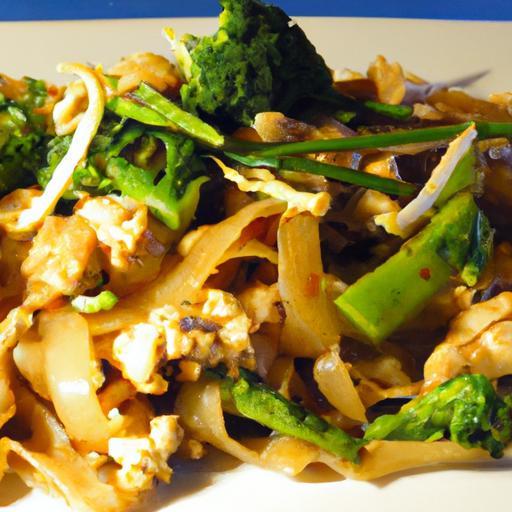
ThereS something irresistibly comforting about teh smoky, savory allure of Thai Pad See Ew-a stir-fried noodle dish that perfectly balances bold flavors with simple ingredients.when paired with tender chicken, this classic street food favorite transforms into a hearty, satisfying meal that delights the senses.Whether you’re a seasoned home cook or a curious foodie eager to explore the vibrant world of Thai cuisine, mastering Pad See Ew with chicken opens the door to a symphony of tastes and textures that are both authentic and approachable. In this flavorful guide, we’ll break down the techniques, ingredients, and secret touches that will help you recreate this beloved dish right in your own kitchen-bringing a taste of Thailand to your table with every delicious bite.
Mastering Thai Pad See Ew with Chicken is a journey that begins with selecting the freshest and most authentic ingredients. This beloved street food classic is a harmony of wide rice noodles, tender chicken, crisp greens, and a perfectly balanced sauce that captures sweet, salty, and smoky notes in every bite. Drawing from traditional Thai cooking techniques, the key to replicating the smoky char known as “wok hei” is all in your ingredient choices and stir-frying method.
Prep and Cook Time
- Readiness Time: 15 minutes
- Cook time: 10 minutes
- Total Time: 25 minutes
Yield
Serves 3 to 4 hungry diners
Difficulty Level
Medium – Perfect for those comfortable with stir-frying and balancing bold flavors
Ingredients
- 250g wide rice noodles (fresh or dried, soaked if dried)
- 300g boneless, skinless chicken thighs, thinly sliced against the grain
- 3 tablespoons vegetable oil or peanut oil for higher heat tolerance
- 3 cloves garlic, finely minced
- 2 cups Chinese kale (or broccoli rabe), tough stems removed and leaves chopped
- 2 large eggs, lightly beaten
- 3 tablespoons light soy sauce
- 1 tablespoon dark soy sauce (for color and slight sweetness)
- 2 tablespoons oyster sauce (use vegetarian mushroom sauce for veg-amiable option)
- 1 tablespoon palm sugar (or brown sugar)
- 1 teaspoon white pepper
- 1 teaspoon chili flakes (optional, to add heat)
- 2 green onions, finely sliced, for garnish
Instructions
- Prepare the noodles: If using dried wide rice noodles, soak them in warm water for 30 minutes until pliable but still firm. Drain well before cooking. Fresh noodles can be gently separated by hand.
- make the sauce: In a small bowl, whisk together light soy sauce, dark soy sauce, oyster sauce, and palm sugar until the sugar dissolves. set aside.
- heat the wok: Add vegetable oil to a hot wok over high heat, swirling to coat the surface.
- Sauté garlic: Add minced garlic and stir-fry quickly until fragrant but not browned, about 15 seconds.
- Cook chicken: add the sliced chicken in a single layer.Let it sear for 1-2 minutes undisturbed to develop color, then stir-fry until cooked through and slightly caramelized, around 3-4 minutes total.
- Push chicken to one side: Pour the beaten eggs into the vacant side of the wok. Allow to set slightly, then scramble gently until just cooked.
- Add noodles and sauce: Toss in the prepared noodles, pour the sauce over, and stir-fry vigorously to coat everything evenly. Continue until you notice the edges slightly crisp and start to char – this builds the signature smoky flavor.
- Incorporate vegetables: Add the Chinese kale and stir-fry until the stems soften slightly but still have crunch, approximately 2 minutes.
- Final seasoning: Sprinkle white pepper and chili flakes (if using). Taste and adjust sweetness or saltiness by adding a pinch more palm sugar or soy sauce, if needed.
- Garnish and serve: Dish the Pad See ew onto warm plates and finish with green onions and a wedge of lime on the side for brightness.
Tips for Success
- Use chicken thighs instead of breast for juicier, tender bites that hold up well under high heat.
- Wok hei (“breath of the wok”) is essential-ensure your wok is smoking hot before adding ingredients to develop those complex smoky undertones.
- If fresh wide rice noodles are unavailable, soak dried noodles thoroughly to avoid breakage but do not overhydrate or they will turn mushy in the wok.
- For a vegetarian variant, substitute chicken with firm tofu and use vegetarian oyster sauce choice.
- Prepare all ingredients in advance as stir-frying is a rapid process demanding continuous attention and speed.
- Reserve some sauce to adjust flavor at the end; its easier to add more than fix an overly salty or sweet result.
Serving Suggestions
Present your Pad See Ew on rustic ceramic plates to highlight the deep caramelized tones and vibrant greens. Garnish with freshly sliced green onions, a sprinkle of toasted sesame seeds, and a small bowl of pickled chili on the side for those who prefer an extra kick. A crisp cucumber salad or a side of jasmine rice complements the dish beautifully, balancing its rich, smoky umami flavors. Drizzle a little fresh lime juice over the top at the table to brighten every mouthful with zesty acidity.

| Nutrient | Per Serving |
|---|---|
| Calories | 420 kcal |
| Protein | 32 g |
| Carbohydrates | 50 g |
| Fat | 10 g |
For more authentic Thai dishes and cooking tips, check out our article on Authentic Thai Green Curry with Chicken. To deepen your understanding of Thai culinary history,visit the Britannica Thai Cuisine Overview.
Q&A
Q&A: Mastering Thai Pad See Ew with Chicken – A Flavorful Guide
Q1: What makes Pad See Ew a beloved Thai street food?
A1: Pad See Ew is cherished for its perfect harmony of smoky,savory,and slightly sweet flavors,paired with tender wide rice noodles that soak up the sauce beautifully. Its simplicity, combined with bold flavors, makes it a comforting yet exciting dish enjoyed across Thailand and beyond.
Q2: Why choose chicken for Pad See Ew?
A2: Chicken offers a versatile and lean protein that pairs wonderfully with the rich, caramelized sauce of Pad See Ew. Its mild flavor absorbs seasoning well, providing a juicy texture that complements the chewy noodles and crisp-crunchy Chinese broccoli.
Q3: What are the essential sauces in authentic Pad See Ew?
A3: The cornerstone sauces include light soy sauce for saltiness, dark soy sauce for sweetness and color, and oyster sauce for umami depth. These create the signature glossy, savory coating that clings to every noodle strand.
Q4: can I use any noodles for Pad See Ew?
A4: Traditional Pad See Ew features wide rice noodles, known as kuay tiew sen yai. Their broad surface area helps capture the sauce and achieve that beloved slightly charred, smoky finish. While substitutes exist (like flat rice noodles), the authentic texture is best with this specific type.
Q5: How crucial is high heat in cooking Pad See Ew?
A5: High heat is crucial! It creates the iconic “wok hei” or “breath of the wok,” giving the dish its smoky char flavor. cooking quickly over intense heat prevents sogginess and promotes caramelization, essential for that perfect Pad See ew experience.
Q6: What role does Chinese broccoli play in Pad See Ew?
A6: Chinese broccoli, or gai lan, introduces a crisp, slightly bitter contrast that balances the sweet and salty sauce. Its tender stems and leafy greens provide both texture and nutritional brightness, making it a signature vegetable in the dish.
Q7: How can I achieve the perfect balance of flavors at home?
A7: Start by tasting your sauce mix before cooking. Adjust sweetness with dark soy or a touch of palm sugar,saltiness with light soy and oyster sauce,and don’t forget a hint of bitterness from the chinese broccoli. Remember, simplicity and balance are the secrets – each ingredient shoudl shine without overpowering others.
Q8: Is Pad See Ew suitable for a quick weekday meal?
A8: Absolutely! With prepped ingredients and a hot wok, Pad See Ew comes together in less than 20 minutes. It’s a delicious, satisfying option for busy days that doesn’t compromise on flavor or authenticity.
Q9: Can I customize the texture of the noodles?
A9: Definitely. If you prefer softer noodles, cook a bit longer with the sauce, but be cautious not to overcook, or they may become mushy.For more bite, cook just until noodles are tender but still have a slight chew, allowing the charred edges to develop fully.
Q10: What tips ensure tender, juicy chicken pieces?
A10: Slice the chicken thinly and marinate briefly with a splash of soy sauce and a pinch of cornstarch. This technique tenderizes the meat and helps it sear beautifully, locking in moisture and flavor under high heat.
Mastering Pad See Ew with chicken opens a gateway to authentic Thai flavors right in your kitchen. With simple ingredients, bold techniques, and a few insider tips, you’ll be savoring smoky, savory noodles that truly celebrate Thai street food culture.
Final Thoughts
As you close the wok lid on your journey to mastering Thai Pad See Ew with chicken, remember that this dish is more than just a meal-it’s a vibrant festivity of flavors, textures, and tradition. With each stir and sizzle, you’re not only recreating a beloved street food classic but also weaving your own story into the rich tapestry of Thai cuisine. So, gather your ingredients, trust your instincts, and let the smoky sweetness of Pad See ew transport your taste buds to the bustling streets of Bangkok.Happy cooking,and may your kitchen always be filled with the irresistible aroma of home-cooked adventure!