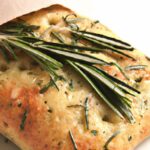


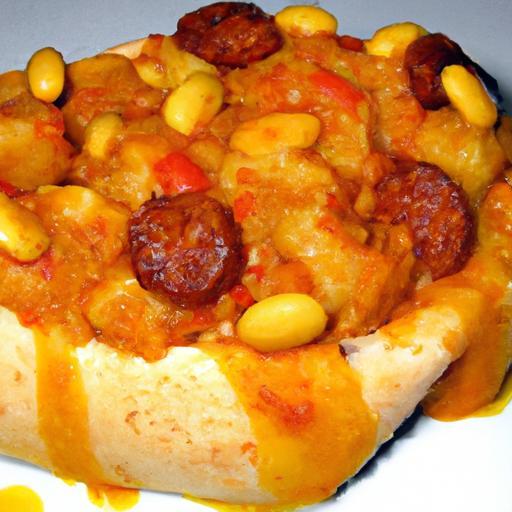
Nestled within the vibrant tapestry of Moroccan cuisine lies a humble yet irresistible treasure: Batbout stuffed bread. Ofen described as a pocket of pure flavor, Batbout is more than just bread-it’s a culinary canvas that brings together tradition, texture, and tantalizing fillings in every bite. This Moroccan delight, with its golden crust and soft, pillowy interior, invites food lovers on a journey through ancient recipes and contemporary twists.Join us as we unveil the story behind Batbout stuffed bread, exploring its origins, versatile fillings, and the reasons why this flavorful marvel continues to captivate palates around the world.
origins and Cultural Significance of Batbout in Moroccan Cuisine
Batbout stuffed bread holds a cherished place in Moroccan culinary tradition, embodying both the simplicity and richness of the nation’s food heritage. This soft, pocket-style bread originated as a humble staple in the bustling markets and rural kitchens of Morocco, celebrated for its versatility and comforting texture. Often enjoyed during breakfast or as a street food snack, batbout is more than just bread-it’s a vessel for sharing stories, family gatherings, and the joyful mingling of flavors that define Moroccan culture. its round, gently puffed shape symbolizes warmth and hospitality, inviting everyone to partake in its delightful fillings.
Historically, bakers and home cooks alike prized batbout for its quick planning and ability to pair brilliantly with everything from spicy harissa to savory stews.Across Moroccan cities and villages,the ritual of preparing batbout brings communities together,often passed down through generations as a revered culinary art. This bread acts as a canvas for creativity,with fillings and accompaniments reflecting regional tastes and the abundant bounty of Moroccan spices and fresh ingredients.
crafting the Perfect Batbout Dough for Soft and Pliable Bread
Achieving the ideal dough for batbout stuffed bread is a rewarding process that balances texture and flavor perfectly. The dough must be soft yet resilient, allowing it to puff up beautifully on the griddle while maintaining pliability for stuffing. Start with a blend of all-purpose flour and a hint of semolina for that subtle nuttiness and light crunch on the crust. The magic lies in gentle kneading and proper hydration-too dry, and the bread toughens; too wet, and it becomes sticky and hard to shape.
For a bread that’s golden, tender, and pliable, always allow the dough to rest and rise in a warm, draft-free spot. This fermentation not only improves texture but also deepens the earthy flavors behind the scenes. When portioning, keep your batbout rounds consistent in size-usually about 4 to 5 inches in diameter-to ensure even cooking.
Exploring Delectable Filling Options to Elevate Your Batbout
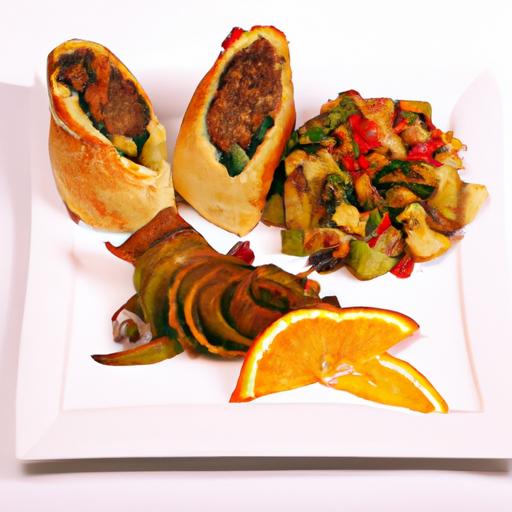
Batbout stuffed bread truly shines when paired with inventive and bold fillings that complement its gentle crumb. From traditional Moroccan favorites like spiced ground lamb or preserved lemon and olive tapenade to vegetarian delights such as sautéed mushrooms with harissa and fresh herbs, the possibilities are vast. For a fresh twist, consider fillings combining roasted vegetables, tangy labneh, and crunchy toasted nuts, offering both texture and bursts of flavor.
Sweet tooth? Try filling batbout with honey-sweetened almonds or a warm date and cinnamon mixture for an unforgettable dessert option. Remember, fillings should be cooked and cooled before stuffing to maintain the structural integrity of the bread and avoid sogginess. The contrast between the soft batbout and vibrant fillings makes each bite a delightful surprise.
Tips and Techniques for Cooking Batbout to Golden Perfection
Cooking batbout stuffed bread to golden perfection requires a careful balance of heat and timing. Use a heavy-bottomed skillet or cast-iron griddle preheated over medium heat to promote even browning without burning. Avoid excess oil; the bread’s own steam does most of the work in puffing up the dough and creating that signature light pocket.
- cook each side for about 2-3 minutes until the surface is speckled with golden brown spots and the bread feels light and spongy.
- Use a lid occasionally to trap steam inside the pan, enhancing the puffiness and ensuring the dough cooks through without drying out.
- Remove from heat slightly earlier than you think necessary-batbout continues to cook gently with residual heat.
For the best visual appeal, look for an inviting golden hue with tiny air bubbles dotting the surface of each piece. This not only assures delicious texture but invites hungry eyes to the table.
Prep and Cook time
- Preparation: 20 minutes (including dough mixing and initial rise)
- Cooking: 15-20 minutes (including second proof and pan frying)
- Total Time: Approximately 40 minutes
Yield
Makes 8 medium-sized batbout breads, perfect for 4 servings depending on appetite and filling choice.
Difficulty Level
Medium - Ideal for home cooks ready to refine their bread-making skills and experiment with vibrant Moroccan flavors.
Ingredients
- 2 cups all-purpose flour, sifted
- ½ cup fine semolina
- 1 teaspoon active dry yeast
- 1 teaspoon sugar
- ¾ cup warm water (110°F / 43°C)
- 1 teaspoon salt
- 2 tablespoons olive oil (plus more for cooking)
- Optional: 1 tablespoon finely chopped fresh mint or parsley (for subtle herbaceous flavor)
instructions
- Activate the yeast: In a small bowl, combine warm water, sugar, and yeast.Stir lightly and let sit 5-10 minutes until foamy.
- Mix the dry ingredients: In a large bowl, whisk together sifted flour, semolina, and salt.
- Incorporate wet ingredients: Gradually pour the yeast mixture and olive oil into the dry ingredients, mixing with a wooden spoon until a shaggy dough forms.
- knead the dough: Turn dough onto a lightly floured work surface. Knead for about 8-10 minutes until smooth, elastic, and slightly tacky. Add flour sparingly if sticky.
- First rise: Place dough in a lightly oiled bowl; cover with a damp cloth or plastic wrap. Let rise in a warm place for 45-60 minutes,until doubled in size.
- Shape the batbout: Punch down the dough and divide into 8 equal portions. Shape each into a smooth ball and flatten gently to discs about 4-5 inches wide and ½ inch thick.
- Second rise: Place the discs on a tray dusted with semolina or flour. Cover and let rest for 20 minutes until slightly puffed.
- Cook the batbout: Heat a dry cast-iron pan over medium heat. Cook each disc 2-3 minutes per side until golden brown spots appear and bread puffs slightly.
- Cool and fill: Let batbout cool slightly before splitting open gently and filling with your preferred filling.
Tips for Success
- Use warm water to carefully activate yeast-too hot can kill it.
- Knead until the dough is just elastic and soft; over-kneading can create a tough texture.
- For added flavor, fold in fresh herbs or toasted cumin seeds into the dough.
- If dough is sticky,dust with semolina before shaping to avoid tearing.
- To make ahead, freeze cooked batbout in airtight bags and reheat on a skillet before filling.
- For gluten-free adaptations,substitute half the flour with chickpea flour to maintain pliability.
Serving Suggestions
Serve batbout stuffed bread warm, garnished with fragrant cilantro sprigs or a drizzle of harissa for a kick. Pair with Moroccan mint tea to balance savory richness. Batbout also pairs beautifully with a side of smoky roasted eggplant salad or fresh cucumber and tomato salad dressed with lemon and olive oil.
For a colorful platter, slice the stuffed batbout, revealing the vibrant filling, and arrange alongside pickled vegetables and olives. This presentation not only highlights the bread’s versatility but invites guests to craft their own flavorful bites.
| Nutrient | Per Serving |
|---|---|
| calories | 280 kcal |
| Protein | 7 g |
| carbohydrates | 45 g |
| Fat | 5 g |

Discover more Moroccan spice blends to enrich your batbout stuffed bread creations.For historical culinary insights on North African breads, visit Britannica’s Moroccan Cuisine Overview.
Q&A
Q&A: Batbout Stuffed Bread – A Flavorful Moroccan Delight Unveiled
Q1: What exactly is Batbout?
A: batbout is a traditional Moroccan bread known for its delightful pocket shape and soft, fluffy texture. Often referred to as “Moroccan pita,” it’s cooked on a griddle rather than baked, resulting in a warm, slightly chewy bread perfect for stuffing or dipping.Q2: how is Batbout different from other flatbreads?
A: Unlike many flatbreads that are rolled thin and crisp, Batbout is thicker and puffed, creating a natural pocket when cooked. This makes it ideal for stuffing with a variety of savory or sweet fillings, giving each bite a burst of flavor and satisfying texture.
Q3: What are the main ingredients of Batbout bread?
A: Batbout is typically made from simple pantry staples: semolina or white flour, yeast, salt, and water. The dough is soft and pliable, which helps it puff up beautifully when cooked on a hot griddle or pan.
Q4: Can you describe some traditional batbout fillings?
A: Traditional Batbout fillings often include rich and aromatic mixtures like spiced ground lamb or beef, sautéed vegetables with fragrant herbs, or creamy cheese blended with fresh mint and olives. sweet options might feature honey and crushed nuts, offering a delightful contrast.
Q5: How is Batbout bread cooked?
A: Batbout is cooked gently on a dry griddle or skillet rather than baked in an oven. The dough rounds puff up as thay cook,creating the signature hollow pocket inside. This method gives Batbout a tender crumb and slightly toasted exterior.
Q6: What occasions are batbout commonly served at?
A: Batbout is incredibly versatile-served at both casual family meals and festive gatherings. It’s a popular choice for breakfast with spreads like almond butter or honey, as a lunch wrap filled with savory items, or even as a snack alongside tagines and salads.
Q7: Can Batbout be made gluten-free?
A: While traditional batbout relies on wheat or semolina flour, gluten-free adaptations can be crafted using blends of rice flour, tapioca starch, and xanthan gum. However, the texture will differ slightly, and mastering the perfect puff might take some experimentation.
Q8: What tips help to achieve the perfect Batbout?
A: To get that signature puff and soft texture, make sure the dough is well-kneaded and rested to develop elasticity. Cooking on medium heat allows the bread to cook through without burning, and flipping at just the right moment ensures even browning and a good pocket formation.
Q9: How can Batbout be incorporated into modern meals?
A: Batbout can be a creative canvas for global flavors-imagine stuffing it with spiced chickpeas and harissa for a plant-based treat, or filling it with grilled vegetables and tangy yogurt sauce for a Mediterranean twist. Its pocket makes it perfect for lunchboxes or picnics.Q10: Where can someone experience authentic batbout if they visit morocco?
A: Authentic Batbout can be found in Moroccan markets, street stalls, and traditional homes alike. It’s often enjoyed fresh alongside mint tea, making it a delicious and immersive experience for travelers eager to taste the heart of Moroccan culinary heritage.
Batbout isn’t just bread-it’s a warm invitation to discover Morocco’s vibrant flavors, from the first soft bite to the last lingering aroma.Whether stuffed with savory delights or enjoyed simply, batbout promises a culinary journey steeped in tradition and delicious creativity.
Wrapping Up
In the rich tapestry of moroccan cuisine, Batbout stuffed bread stands out as a versatile and flavorful gem-one that invites both tradition and creativity to the table. Whether filled with savory meats, fresh herbs, or vibrant vegetables, each bite offers a delicious journey into the heart of Morocco’s culinary heritage.As you explore the art of making and savoring Batbout, you not only taste a delightful bread but also embrace a cultural story kneaded into every crumb. So next time you crave something warm and satisfying, let Batbout be your passport to a flavorful Moroccan delight unveiled.