

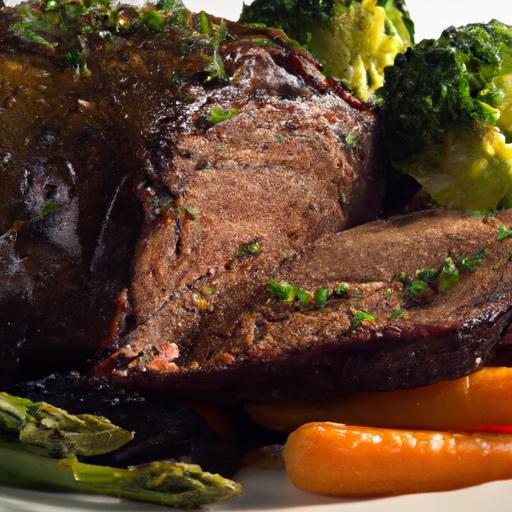
There’s a unique kind of magic that unfolds when a humble cut of beef meets the patient warmth of slow roasting. Mastering the art of slow roasted beef brisket is more than just following a recipe-it’s a culinary journey that transforms a tough, fibrous slab into tender, flavorful perfection. From the careful selection of the cut to the low and slow cooking process that melts connective tissues into rich, juicy bliss, this technique demands time, attention, and a touch of intuition. whether your a seasoned pitmaster or a home cook eager to elevate your dinner game,unlocking the secrets of slow roasted beef brisket promises a rewarding experience-and a plate of meat so succulent,it nearly melts on your tongue. Join us as we delve into the art, science, and passion behind crafting brisket perfection.
Selecting the Ideal Cut and Preparing Your Brisket for Ultimate Flavor
Master the Art of Slow Roasted Beef Brisket Perfection begins with choosing the right cut and embarking on a journey of planning that will transform simple beef into a tender, flavorful masterpiece. The brisket,a large primal cut from the chest area of the cow,is prized for its rich marbling and connective tissue. Unlocking its full potential requires patience, respect for the meat’s structure, and a well-crafted approach to seasoning and cooking.
Prep and Cook Time
- preparation: 30 minutes
- Marinating time: 8-12 hours (overnight recommended)
- Cooking time: 6-8 hours (slow roasting)
- total time: Approximately 14 hours including resting
Yield
- Serves 6-8 hearty portions
Difficulty Level
- Medium: Requires planning and steady temperature control
Ingredients
- 5-6 lbs whole beef brisket,preferably flat cut with good fat cap
- 1/4 cup kosher salt
- 2 tbsp coarsely ground black pepper
- 2 tbsp smoked paprika
- 1 tbsp garlic powder
- 1 tbsp onion powder
- 1 tsp cayenne pepper (adjust to taste)
- 1/4 cup brown sugar,packed
- 2 tbsp ground cumin
- 1/4 cup olive oil
- 1/2 cup beef broth
- 3 garlic cloves,minced
- Fresh herbs (thyme or rosemary),optional
Instructions
- Select your brisket with a nice even fat layer-this fat cap melts slowly,infusing the meat with juice and flavor.
- Prepare the dry rub by combining kosher salt, black pepper, smoked paprika, garlic powder, onion powder, cayenne, brown sugar, and cumin in a bowl. Mix until well blended for a balanced sweet-and-spicy profile.
- Trim excess fat to about 1/4 inch thickness to prevent grease fires and ensure even cooking,but don’t over-trim; that fat is your flavor base.
- Pat the brisket dry with paper towels, then liberally coat it with the dry rub. Press the rub gently into all surfaces.
- Place the rubbed brisket in a large dish or resealable bag and drizzle olive oil over it, massaging it into the meat. Cover and refrigerate for 8-12 hours to let the flavors absorb deeply.
- Before cooking, remove the brisket from the fridge and let it reach room temperature (about 1 hour). This ensures even cooking.
- Preheat your oven or smoker to 225°F (107°C)-low and slow is the cornerstone of tenderness and juiciness.
- Place the brisket on a roasting rack fat side up in a roasting pan. Add beef broth and minced garlic around the brisket to create a moist environment.
- Insert a meat thermometer into the thickest part of the brisket. Slow roast until the internal temperature reaches 195°F to 205°F, approximately 6-8 hours. This low temperature slowly breaks down connective tissues.
- optionally, during the last hour, baste the brisket occasionally with pan juices and optionally scatter fresh herbs for an aromatic lift.
- Remove the brisket from the oven and tent it loosely with foil. Let it rest undisturbed for at least 30 minutes-this step preserves juiciness and allows fibers to relax.
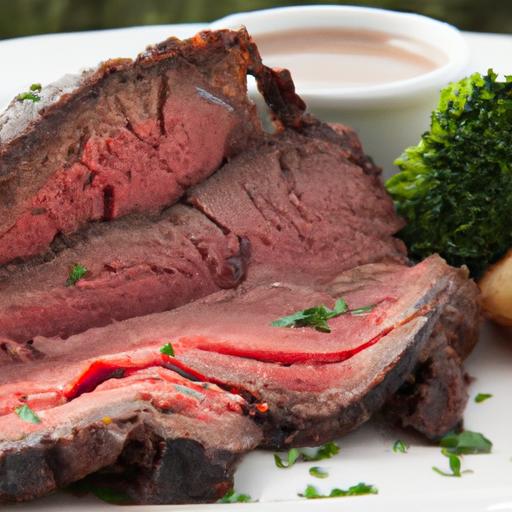
- Slice against the grain in thin, even slices. This technique cuts through muscle fibers for the ultimate tender bite, showcasing the rich marbling and smoky crust created by your dry rub.
Tips for Success
- For a more intense flavor, prepare the dry rub a day ahead to deepen aromatic notes.
- Maintain an oven or smoker temperature strictly between 225°F and 250°F for consistent tenderness.
- If you prefer a crustier bark, uncover the brisket during the last 30 minutes of cooking to allow excess moisture to evaporate.
- Use a high-quality instant-read thermometer to avoid guessing doneness; brisket texture changes dramatically with only a few degrees.
- Make-ahead: The cooked brisket can be refrigerated for up to 3 days; gently reheat covered with beef broth to keep moist.
Serving Suggestions
The slow-roasted beef brisket shines when plated with classic Southern sides-think creamy mashed potatoes, roasted root vegetables, or a tangy coleslaw to cut through the richness. Garnish with fresh parsley or thyme sprigs for a pop of green. Serve with a drizzle of pan jus or your favorite homemade barbecue sauce on the side for an added depth of flavor. Visualize those tender,humming slices fanning out on a rustic wooden board,perfectly balancing the crispy bark and melt-in-your-mouth interior.

| Nutritional Info (per serving) | Amount |
|---|---|
| Calories | 450 kcal |
| Protein | 38 g |
| Carbohydrates | 5 g |
| Fat | 30 g |
For more tips on smoking and roasting techniques, check out our Ultimate Guide to Smoking Meat. To delve deeper into the science behind meat tenderness, visit the Serious Eats explanation of brisket science.
Q&A
Q&A: Master the Art of Slow Roasted Beef Brisket Perfection
Q1: What makes slow roasting the ideal method for cooking beef brisket?
A1: Slow roasting allows the tough collagen fibers in brisket to break down gradually, transforming the meat into tender, juicy perfection. The low and steady heat ensures even cooking, intensifying flavor without drying out the brisket’s rich, beefy character.
Q2: How do I choose the perfect brisket cut for slow roasting?
A2: Look for a brisket that has a good balance of fat and lean meat. The fat cap acts as a natural baster during cooking,keeping the brisket moist while adding flavor. A well-marbled, fresh brisket will reward you with deep, succulent bites.
Q3: What key preparation steps set a slow roasted brisket apart?
A3: Patience is key before the roasting even begins. Seasoning generously with a dry rub that includes salt, pepper, garlic, and herbs creates a flavorful crust. Allowing the brisket to sit with the rub for several hours-or overnight-in the fridge lets those flavors truly penetrate.
Q4: At what temperature should I slow roast my brisket,and how long will it take?
A4: Slow roasting at around 225°F to 250°F lets the meat gently cook and tenderize. Cooking times can vary, typically ranging from 6 to 10 hours depending on size and oven consistency. The internal temperature is the best guide-aim for about 195°F to 205°F for melt-in-your-mouth tenderness.
Q5: Should I cover the brisket during roasting or leave it uncovered?
A5: Starting uncovered helps develop a savory, caramelized crust known as the “bark.” If the brisket begins to brown too quickly, you can tent it loosely with foil to prevent burning while continuing to cook low and slow.
Q6: How crucial is resting the brisket after roasting?
A6: Resting is essential. let the brisket sit covered for at least 30 minutes after roasting to allow juices to redistribute. This step ensures every slice is juicy, not dry, making each bite a tender delight.
Q7: Can I elevate the flavor profile of my brisket without overpowering its natural taste?
A7: Absolutely. Experiment with complementary herbs like thyme or rosemary, and add a touch of smoked paprika or a hint of ground cumin to your rub for subtle warmth. Incorporating aromatic vegetables, like onions and garlic, into the roasting pan adds complexity to the drippings, enhancing the natural beef essence.
Q8: What’s the best way to slice brisket for serving?
A8: Always slice brisket against the grain. This shortens the muscle fibers, making each piece easier to chew and magnifying tenderness. Steady, even slices help showcase the juicy interior and that luscious bark crust.
Q9: How can I turn leftover brisket into another culinary masterpiece?
A9: Leftover brisket is a treasure trove of possibilities. Use slices in hearty sandwiches with caramelized onions and sharp cheese, or dice it into stews and chili for a robust flavor boost. Even simple tacos or salads become elevated with tender brisket as the star ingredient.
Q10: What common mistakes should I avoid when slow roasting brisket?
A10: Avoid rushing the cooking time or raising the temperature too high, as this can turn brisket tough and dry. Don’t skip the resting phase, and be mindful not to under-season. Brisket rewards thoughtful preparation-respecting its unique texture and flavors will lead to perfection on your plate.
Final Thoughts
As the rich aroma of your slow-roasted beef brisket fills the room, you’ll realize that mastering this culinary art is more than just following a recipe-it’s about patience, precision, and passion. With each tender, flavorful bite, you celebrate the timeless tradition of slow cooking perfected through knowledge and care. So, embrace the slow roast, trust the process, and let every slice tell the story of your dedication to brisket brilliance. Hear’s to many appetizing journeys ahead-as mastery, like great brisket, only gets better with time.