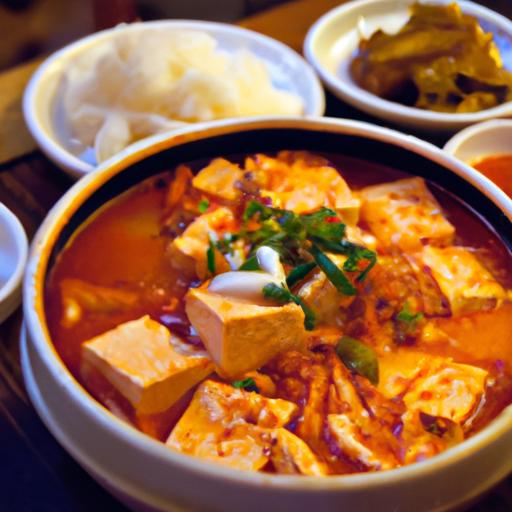


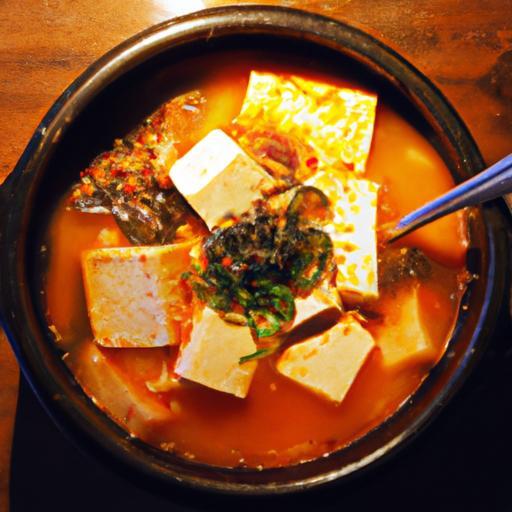
Step into a world where bold flavors meet comforting warmth-welcome to the vibrant realm of Korean cuisine, where every spoonful tells a story. At the heart of this culinary adventure lies Kimchi Tofu Soup, a dish that embodies the perfect harmony of spicy, tangy, and savory notes. Whether you’re a seasoned foodie or a curious newcomer, this ultimate guide will take you on a deep dive into the rich taste, cultural significance, and simple techniques behind making this beloved Korean classic. Get ready to awaken your palate and discover why Kimchi tofu soup is not just a meal, but a delicious journey into flavor.
Dive Into Flavor with Korean Kimchi Tofu Soup, a beloved staple of Korean cuisine that carries centuries of history and cultural richness, transforming simple ingredients into an aromatic, soul-warming experience. this dish’s origins trace back to humble beginnings in Korean homes, where fermented kimchi and soft tofu merged to create a hearty, nourishing soup cherished for both everyday meals and festive occasions. Personally, each spoonful recalls cozy family dinners filled with laughter and warmth, making this recipe truly special.
Prep and Cook Time
Readiness: 15 minutes
Cooking: 25 minutes
Total Time: 40 minutes
Yield
Serves 4 generous bowls, perfect for sharing or savoring leftovers the next day.
difficulty Level
Medium – Easy enough for a weeknight dinner, but requires some attention to layering flavors.
Ingredients
- 4 cups vegetable broth, homemade or low-sodium store-bought for depth
- 1 ½ cups well-fermented kimchi, chopped with juice reserved
- 1 block (14 oz) medium-firm tofu, drained and cut into 1-inch cubes
- 1 tbsp sesame oil for gentle toasting
- 1 tbsp Korean red chili flakes (gochugaru) – adjust for preferred spice level
- 1 tsp minced garlic (about 2 cloves)
- 1 tsp minced ginger
- 2 tbsp soy sauce or tamari for umami balance
- 1 tsp sugar or natural sweetener to mellow acidity
- 3 green onions, thinly sliced (white and green parts separated)
- 1 tbsp toasted sesame seeds for garnish
- optional: sliced shiitake mushrooms or zucchini for added texture and nutrition
Instructions
- Prepare your broth base: In a medium pot, warm the sesame oil over medium heat. Add the minced garlic and ginger, sautéing until fragrant but not browned, about 1 minute.
- Build flavor layers: Add the chopped kimchi along with its juice and cook for 3 to 4 minutes, stirring occasionally, until softened and aromatic.
- Incorporate spice and seasoning: Stir in the gochugaru, ensuring the flakes evenly coat the kimchi mixture. Pour in the vegetable broth and bring the soup to a gentle boil.
- Simmer and season: Lower heat to medium-low, add the soy sauce and sugar. Let the soup gently simmer for 10 minutes to marry flavors.
- Add tofu and optional vegetables: Gently stir in the cubed tofu and any desired veggies like mushrooms or zucchini.Simmer for another 5 minutes to warm through, careful to keep the tofu intact.
- Final touches: Stir in the white parts of the green onions. Taste and adjust seasoning-add more gochugaru or soy sauce if desired for heat and depth.
- Serve piping hot: ladle the soup into bowls, sprinkle with the green tips of green onions and toasted sesame seeds. For added vibrancy, a drizzle of toasted sesame oil can be swept on top just before serving.
Tips for Success
- Broth is everything: Use high-quality vegetable broth or simmer kombu seaweed for 20 minutes to amplify the umami without overpowering the tofu’s delicate texture.
- Kimchi ripeness: Older,more fermented kimchi intensifies the depth of flavor. If your kimchi is too fresh, consider letting it sit for a day or two before cooking.
- Tofu variety: medium-firm tofu balances soft creaminess without falling apart during simmering-silken tofu can be added just before serving for a silkier mouthfeel.
- Spice customization: Gradually increase or decrease gochugaru to tailor the heat. For a smoky twist, char the kimchi slightly in the pan at Step 2.
- Make-ahead: The soup tastes even better the next day as flavors deepen. Store separately from rice and reheat gently over low heat to prevent tofu breakage.
Serving Suggestions
Present this vibrant soup accompanied by a bowl of steaming steamed rice or multigrain rice for heartiness. A crisp side of Korean-style pickled vegetables or lightly blanched spinach with sesame dressing balances the bold flavors. garnish with a few fresh cilantro sprigs or a squeeze of lime for a lively contrast. For visual appeal, serve in rustic earthenware bowls that highlight the rich orange-red hue of the broth, inviting your guests to dive into flavor and tradition.

| Nutrient | Per Serving |
|---|---|
| Calories | 190 kcal |
| Protein | 12 g |
| Carbohydrates | 14 g |
| Fat | 8 g |
For further inspiration on Korean dishes that celebrate fermented flavors, check out our Ultimate Guide to Korean Banchan. To deepen your understanding of kimchi and its fermentation science, visit this ScienceDaily article on kimchi fermentation.
Q&A
Q&A: Dive Into Flavor – The Ultimate Guide to Korean Kimchi Tofu Soup
Q1: What makes Korean Kimchi Tofu Soup so uniquely flavorful?
A1: At its core, Korean Kimchi Tofu Soup, or Kimchi Jjigae, harmoniously blends the spicy, tangy punch of aged kimchi with the silky, mild texture of tofu. The complexity comes from the fermentation of kimchi,which adds depth and umami,while the soup’s broth frequently enough includes ingredients like garlic,ginger,and Korean chili flakes (gochugaru),creating layers of warmth and zest that dance on your palate.
Q2: Can you briefly describe the essential ingredients in Kimchi Tofu Soup?
A2: Absolutely. The foundation starts with well-fermented kimchi, which provides a robust, tangy base. Soft tofu lends a gentle creaminess that balances the heat. The broth is typically enriched with garlic, onions, and Korean chili flakes (gochugaru), sometimes enhanced by a splash of soy sauce or fermented soybean paste (doenjang or gochujang) for an added boost of savory flavor.
Q3: How vital is the fermentation level of kimchi in this soup?
A3: The age of kimchi profoundly affects the soup’s flavor. Ripe, well-aged kimchi delivers deeper, more complex acidity and greater umami intensity, which transforms the broth into a flavorful symphony. Fresh kimchi can work but tends to yield a lighter, less bold soup. For true authenticity, slightly overripe kimchi is cherished.
Q4: What types of tofu are best suited for kimchi Tofu Soup?
A4: Soft or silken tofu is ideal, providing a softness that melts into the soup, absorbing the spicy broth while offering gentle contrast in texture. Firm tofu can be used if you prefer bite-sized chunks that hold their shape, but the customary experience frequently enough leans towards silky textures that soothe the palate.
Q5: Are ther vegetarian or vegan-kind ways to make Kimchi Tofu Soup?
A5: Certainly! The key is to ensure your kimchi is free from seafood-based additives, which are common in many commercial brands. Opt for vegan kimchi varieties,and use vegetable broth as the soup base. Incorporate mushrooms – such as shiitake or oyster – to enrich the umami profile without relying on animal products.
Q6: What cooking tips can elevate homemade Kimchi Tofu Soup to restaurant quality?
A6: Start by sautéing kimchi with garlic and onions to deepen the flavor before adding broth, which intensifies the soup’s character. Simmer gently to marry the flavors without overcooking the tofu,which you should add near the end to keep its delicate texture intact. garnish generously with green onions and toasted sesame seeds for freshness and nuttiness.
Q7: How can Kimchi Tofu Soup be adapted for different spice preferences?
A7: Adjust the heat by varying the amount of gochugaru or fresh chili peppers added. For a milder version, use less chili and balance with a splash of mild soy sauce or extra broth. To amp up the fire, add sliced fresh chilies or a spoonful of Korean chili paste (gochujang). Because the soup is so customizable, it can cater to a wide range of taste buds.
Q8: What side dishes traditionally accompany Kimchi Tofu Soup in Korean cuisine?
A8: Kimchi Tofu Soup is often enjoyed with steamed white rice to temper the spice,along with small side dishes known as banchan – such as seasoned spinach,pickled radish,or crispy seaweed sheets. These complementary flavors and textures round out the meal, creating a balanced sensory experience.
Q9: Can Kimchi Tofu soup be prepared in advance or stored well?
A9: Yes! This soup often tastes even better the next day as the flavors meld further. Store it in an airtight container in the refrigerator for up to 3 days. When reheating,add a splash of water or broth if the soup has thickened. Just be mindful that tofu can become slightly firmer with repeated reheating.
Q10: What’s the secret to making Kimchi Tofu Soup comforting and soul-warming?
A10: The heart of Kimchi Tofu Soup lies in its balance – fiery yet mellow, tangy yet soothing. Slow simmering allows the kimchi to infuse the broth with soul,while tofu brings softness that comforts. Paired with crisp, fresh garnishes and a bowl of rice, it creates a deeply satisfying experience that feels like a warm embrace on chilly days.
Dive in, experiment with flavors, and let this ultimate Korean classic awaken your culinary spirit!
The Conclusion
As the steam rises from your bowl of Korean kimchi tofu soup, so too does your appreciation for this vibrant, comforting dish steeped in tradition and bursting with bold flavors. Whether you’re a seasoned kimchi lover or a curious culinary explorer, this ultimate guide has unraveled the secrets behind the perfect balance of spice, umami, and silkiness that makes kimchi tofu soup a timeless staple. So grab your ladle, embrace the warmth, and let each spoonful transport you to the heart of Korean home cooking-where every bite tells a story of culture, passion, and flavor waiting to be savored again and again.