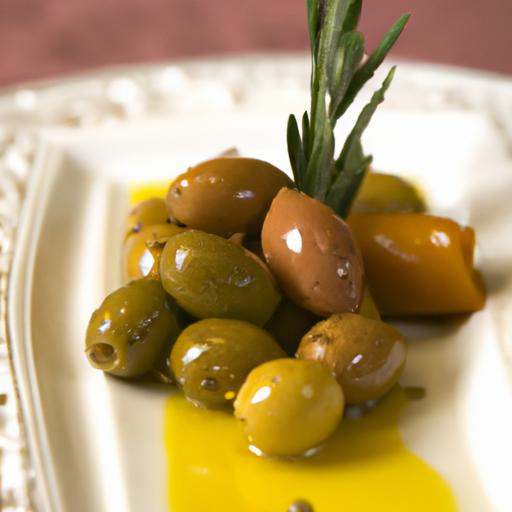


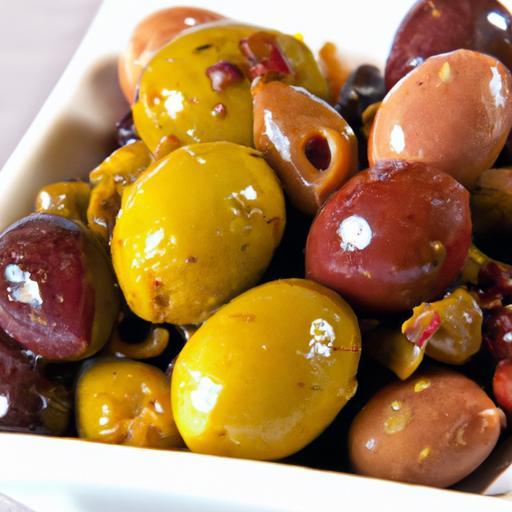
Nestled at the crossroads of ancient trade routes and vibrant cultures, Moroccan cuisine is a vivid tapestry of flavors, aromas, and traditions. Among its many treasures, Moroccan spiced olives stand out as a captivating appetizer that invites your palate on a flavorful journey through sun-soaked orchards and bustling spice markets. Infused with a harmonious blend of fragrant herbs, fiery chilies, and earthy spices, these olives are more than just a snack-they are a culinary story steeped in history and passion.Join us as we explore the origins, ingredients, and irresistible charm of moroccan spiced olives, and discover how this simple yet exquisite treat can transform your dining experience into a sensory adventure.
Origins and Traditions Behind Moroccan Spiced Olives
Moroccan spiced olives have long held a cherished place at the heart of Moroccan hospitality and cuisine. Moroccan Spiced Olives embody centuries of tradition, encapsulating the warmth of bustling souks, fragrant markets, and the artistry of Moroccan home cooks.These olives are more than just an appetizer-they are a symbol of togetherness, often shared amongst friends and family alongside stories and laughter.
The origins of this flavorful bite trace back to Morocco’s rich agricultural heritage, where olives grow abundantly across the sun-soaked landscape. Traditionally, olives were cured and seasoned to preserve their vibrant colors and intensify their taste, incorporating local spices that mirror Morocco’s unique geographic crossroads.
From the bustling medinas of Marrakech to the coastal towns of Essaouira,spiced olives are enjoyed daily,enhancing everything from simple breakfasts to elaborate feasts. Their bold flavor profile reflects the diverse influences of Berber, Arab, and Mediterranean culinary traditions.
Exploring the Unique Spice Blend That Defines the Flavor
Moroccan Spiced Olives owe their unforgettable flavor to a distinctive combination of spices fresh from Moroccan spice markets. The blend typically features aromatic cumin, sweet and smoky paprika, earthy coriander, a hint of fiery cayenne pepper, and fragrant preserved lemon peel-all balanced with fresh herbs like parsley and a touch of garlic. This mix delivers a complex harmony: smoky, zesty, herbal, and slightly tangy.
In moroccan kitchens, the spice mix may also include fenugreek or a pinch of cinnamon, which adds sweetness and depth. The olives themselves are usually plump and meaty, such as the green Picholine or local Moroccan varieties, which soak up the marinade beautifully.
Prep and Cook Time
- Readiness: 15 minutes
- marinating Time: 24 hours (minimum)
- Total Time: 24 hours 15 minutes
Yield
Serves 6 as an appetizer or snack.
Difficulty Level
Easy – perfect for beginners and seasoned cooks alike.
Ingredients
- 2 cups green olives (pitted or whole, rinsed)
- 1 tablespoon extra virgin olive oil
- 1 teaspoon smoked paprika
- 1 teaspoon ground cumin
- 1 teaspoon ground coriander
- 1/4 teaspoon cayenne pepper (adjust to taste)
- 1/2 teaspoon ground turmeric
- 1 garlic clove, minced
- 1 tablespoon fresh parsley, finely chopped
- 1 teaspoon preserved lemon peel, finely chopped (optional, but recommended)
- 1 teaspoon sea salt
- Juice of 1/2 lemon
- 1/4 cup warm water
Step-by-Step Guide to Preparing Authentic Moroccan Spiced Olives
- Prepare the olives: If olives are very salty or brined, rinse them under cold water and soak for 30 minutes to mellow the saltiness.Drain thoroughly.
- Mix the marinade: In a medium bowl, whisk together the olive oil, smoked paprika, cumin, coriander, turmeric, cayenne pepper, minced garlic, sea salt, and preserved lemon peel.
- Add liquid and herbs: Stir in the fresh lemon juice and warm water, ensuring everything is well combined and forms a slightly thick marinade.
- Combine olives with marinade: Toss the olives in the spice blend,making sure each one is generously coated. Sprinkle in the chopped parsley and mix again gently.
- Marinate: Transfer the olives and marinade into a clean glass jar or airtight container. Seal and refrigerate for at least 24 hours to allow flavors to infuse deeply.
- Serve: Bring the olives to room temperature before serving for the best aromatic experience. Drizzle extra olive oil over them and garnish with a few fresh parsley sprigs or thin lemon slices.
Chef’s Notes: Tips for Success
- olive variety: If you prefer black olives or Kalamata, they can be substituted but expect a slightly different flavor and texture.
- Preserved lemon: This ingredient adds authentic Moroccan brightness. If unavailable, use a small amount of lemon zest and increase the lemon juice for acidity.
- make ahead: These olives improve with time. Prepare them 2-3 days ahead for intensified flavor.
- Serving: Avoid overcrowding the olives in the jar so the marinade circulates evenly.
- Heat level: Adjust cayenne pepper to suit your preference, or omit for a milder taste.
Pairing Suggestions to Elevate Your Culinary Experience
Enjoy these moroccan Spiced Olives as a vibrant starter alongside warm, crusty bread like a freshly baked khubz. They complement richly spiced tagines, grilled vegetables, and fresh salads dressed with citrus vinaigrette. For a refined touch, pair with mild, creamy cheeses such as feta or goat cheese.
On the beverage side, a refreshing glass of mint tea balances the spices beautifully. For cocktail enthusiasts, these olives add a flavorful twist when served alongside a citrusy mocktail or a lightly spiced non-alcoholic sangria.
For further culinary inspiration,consider exploring the traditional Moroccan tea culture and its synergy with savory bites like these olives.
| Nutritional Info (per 1/4 cup) | Calories | Protein | Carbs | Fat |
|---|---|---|---|---|
| Moroccan Spiced Olives | 90 kcal | 0.5 g | 2 g | 9 g |

Q&A
Q&A: moroccan Spiced Olives – A Flavorful Journey to Your palate
Q1: what makes Moroccan spiced olives unique compared to other olive preparations?
A1: Moroccan spiced olives are a sensory adventure, combining the briny richness of olives with an aromatic blend of spices like cumin, coriander, paprika, and preserved lemon. Unlike simple marinated olives, these are infused with bold, warm flavors that reflect morocco’s vibrant culinary heritage, creating a harmonious balance of earthiness, citrusy brightness, and subtle heat.
Q2: Which types of olives are traditionally used for Moroccan spiced olives?
A2: while both green and black olives can be used, Moroccan recipes frequently enough highlight small, firm green olives that provide a crisp texture and hold up well to the intense marinade. Their slightly bitter undertone acts as the perfect canvas for the fragrant spices and preserved citrus.
Q3: How are the olives typically prepared before spicing?
A3: The olives are usually first rinsed and soaked to remove excess saltiness when using cured olives. Then, they are lightly simmered or gently bruised to help the spices penetrate deeply. This tenderizing step ensures every bite bursts with layered flavor.
Q4: What role do preserved lemons play in the flavor profile of Moroccan spiced olives?
A4: Preserved lemons add an unmistakable tangy, salty brightness that elevates the olives’ natural fruitiness. Their mellow bitterness and aromatic zest infuse the olives with citrus notes that dance alongside earthy spices, creating a complex and refreshing contrast.
Q5: Can Moroccan spiced olives be made at home, and if so, what is the essential method?
A5: Absolutely! The process involves marinating cleaned olives in a mixture of olive oil, garlic, preserved lemons, chili flakes, cumin, coriander seeds, and fresh herbs like cilantro or parsley. Letting the olives rest for at least 24 hours-or longer-allows the flavors to meld beautifully, turning a simple snack into an exotic treat.
Q6: Beyond snacking, how can Moroccan spiced olives be used in cooking?
A6: These olives add depth and character to salads, grain bowls, and tagines. They can also be chopped and incorporated into tapenades or used as a garnish for roasted vegetables, bringing a touch of Moroccan magic to everyday dishes.
Q7: Are Moroccan spiced olives typically spicy?
A7: They carry a gentle warmth from spices like smoked paprika and chili flakes, but the heat is usually balanced and never overpowering. The spice level can easily be adjusted according to personal preference, making them accessible to a wide range of palates.
Q8: What cultural significance do olives hold in Moroccan cuisine?
A8: Olives are a pillar of Moroccan culinary identity, symbolizing hospitality and the mediterranean’s sun-kissed bounty. They not only flavor dishes but also connect generations, often passed down in family recipes that celebrate Morocco’s rich agricultural traditions.
Q9: How long can moroccan spiced olives be stored, and what’s the best way to keep them fresh?
A9: When stored in an airtight container immersed in olive oil and kept refrigerated, these olives can stay fresh and flavorful for up to two weeks. The oil preserves their moisture,while the spices continue to infuse the olives with evolving complexity over time.
Q10: What spice combinations besides the classic Moroccan blend can experimenters try?
A10: Adventurous cooks might add hints of cinnamon for warmth,smoked chili for smokiness,or a sprinkle of saffron threads for a luxurious floral note. The key is to maintain a balance that complements rather than overwhelms the olive’s natural character.
Embark on your flavorful journey with Moroccan spiced olives-each bite offers a delicious tapestry woven from tradition, spice, and Mediterranean sunshine.
Concluding remarks
As the final note of this flavorful journey lingers on your palate, Moroccan spiced olives stand as a testament to the rich tapestry of North African culinary tradition. Each bite carries centuries of history, fragrant spices, and the warm spirit of moroccan hospitality. Whether savored as a simple snack or elevated in a vibrant dish, these olives invite you to explore layers of taste and culture with every mouthful.So next time you crave a snack that tells a story, let Moroccan spiced olives transport you-one delicious, aromatic bite at a time.