

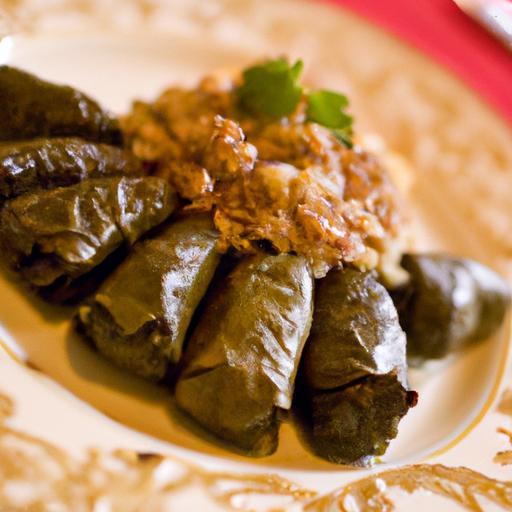
Nestled within the folds of a tender grape leaf lies a world of vibrant flavors and rich culinary heritage. stuffed grape leaves, a beloved delicacy across Mediterranean and Middle Eastern tables, are more than just a dish-they are edible tales of tradition, culture, and creativity. When paired with nutty, wholesome bulgur, these wrapped wonders transform into a symphony of textures and tastes that delight the senses and nourish the soul. Join us as we unwrap the story behind stuffed grape leaves with bulgur, exploring their origins, ingredients, and the artistry involved in crafting this timeless, flavorful treasure.
Wrapped Wonders: Exploring Stuffed Grape Leaves with Bulgur is a culinary journey that links ancient traditions with today’s vibrant table. This dish, cherished across the Mediterranean and Middle Eastern regions, whispers stories of communal gatherings, family celebrations, and the festivity of humble, wholesome ingredients. Originating from a blend of Ottoman influences and Levantine hearths, these delicate parcels of tender grape leaves wrapped around a fragrant, seasoned bulgur filling offer a texture and flavor that has captivated palates for centuries.
In my own kitchen, crafting these wrapped wonders is more than a recipe-it’s an invitation to slow down, connect with history, and savor the art of hand-rolled goodness. Each bite reveals a harmonious dance of earthiness from bulgur, a shining acidity from citrus, and the subtle herbaceousness of parsley and mint. This classic dish embodies warmth, balance, and a deeply satisfying experience that celebrates authenticity.
Prep and Cook Time
- Planning time: 40 minutes (including leaf prep and mixing)
- Cooking Time: 50 minutes (gentle simmer)
- Total Time: 1 hour 30 minutes
Yield
- Servings: Approximately 35 – 40 stuffed grape leaves
- Portion Size: 5-6 leaves per person as an appetizer
Difficulty Level
- Skill Level: Medium – Requires patience and practice for perfect rolling
Ingredients
- 1 jar (about 16 oz) grape leaves, drained and rinsed
- 1 cup fine bulgur, rinsed and drained
- 1 cup boiling water
- 2 medium onions, finely chopped
- 3 tablespoons olive oil
- 1/2 cup fresh parsley, finely chopped
- 1/4 cup fresh mint leaves, finely chopped
- Juice of 2 lemons
- 1 teaspoon ground allspice
- salt and freshly ground black pepper, to taste
- 1 tomato, thinly sliced (for layering)
- 2 cups vegetable broth or water (for cooking)
Instructions
- Prepare the bulgur filling: Pour boiling water over bulgur in a heatproof bowl. Cover and let stand 20 minutes until softened and fluffy. Drain any excess water.
- Sauté the onions: Heat olive oil in a skillet over medium heat. add finely chopped onions and sauté until translucent, about 5 minutes, stirring occasionally to prevent sticking.
- Combine the filling: In a large bowl, mix the softened bulgur, sautéed onions, parsley, mint, lemon juice, allspice, salt, and pepper.Adjust seasoning to taste. The mixture should be moist but not watery.
- Prepare the grape leaves: Rinse grape leaves gently to remove excess brine. Pat dry with a kitchen towel. Trim any thick stems from the leaves.
- Wrap the leaves: lay one grape leaf shiny side down, vein side up. Place about 1 tablespoon of filling near the base of the leaf. Fold sides over the filling and roll tightly toward the tip,like a cigar. Repeat until all filling is used. Keep rolls snug but not overstuffed to prevent tearing.
- Layer in pot: Line the bottom of a heavy pot with tomato slices and reserved grape leaves to prevent sticking and add flavor. Arrange stuffed grape leaves seam-side down in tight rows in layers.
- Add liquid and weight: pour vegetable broth or water over the rolls to just cover them. Place a heatproof plate on top to keep them submerged during cooking.
- Simmer gently: Cover pot with lid and bring to a gentle simmer over low heat. Cook for 45-50 minutes, until the leaves are tender and filling is cooked through.
- Cool and serve: Allow the stuffed grape leaves to cool slightly before serving to let flavors meld and make rolling easier.
Tips for Success
- Leaf Preparation: If using fresh grape leaves, blanch them quickly in salted boiling water to soften and preserve their color.
- Filling Texture: For perfect texture, avoid overhydrating bulgur; it should be moist but firm.
- Rolling Technique: Keep rolling tight but gentle to avoid tearing leaves. Practice with a few leaves first.
- Cooking Tips: Maintain a low simmer to prevent unraveling and drying out.
- Make-ahead: These wrapped wonders taste even better the next day; store covered in the refrigerator.
Serving Suggestions
Present the stuffed grape leaves arranged neatly on a platter with a drizzle of extra virgin olive oil and a sprinkle of freshly chopped herbs like dill or parsley. Accompany with lemon wedges for an extra citrusy pop. They pair beautifully with cool tzatziki, creamy labneh, or a simple garlic-yogurt sauce. For a colorful contrast, serve alongside a fresh tomato and cucumber salad or pickled vegetables. wrapped wonders with bulgur invite diners to savor with hands or fork,offering an authentic communal dining experience.
| Nutrient | Per Serving (5 leaves) |
|---|---|
| Calories | 180 kcal |
| Protein | 4 g |
| Carbohydrates | 29 g |
| Fat | 5 g |

For an extended dive into Mediterranean vegetarian delights, explore our mediterranean Vegetarian Appetizers guide. To grasp the past depth of dolma traditions, visit the britannica’s dolma overview.
Q&A
Q&A: Wrapped Wonders – Exploring stuffed Grape Leaves with Bulgur
Q1: What exactly are stuffed grape leaves with bulgur, and why are they so beloved?
A1: Stuffed grape leaves with bulgur, often called dolma or sarma in various Middle Eastern and Mediterranean cuisines, are tender grape leaves meticulously wrapped around a flavorful filling made primarily of bulgur wheat, herbs, and spices. They’re beloved for their harmonious blend of textures-the slight chew of bulgur meets the subtle tang of grape leaves-creating a dish that’s as visually appealing as it is deliciously comforting.
Q2: How does bulgur enhance the customary stuffed grape leaves recipe?
A2: Bulgur brings a nutty, earthy undertone that beautifully complements the grape leaves’ slight acidity. Unlike rice, bulgur has a heartier texture and cooks quickly, holding its shape inside the leaves. This grain’s wholesome character elevates the dish, adding fiber and giving the filling a delightful bite that contrasts with the tender wrapping.
Q3: What are the typical herbs and spices used in the filling?
A3: The filling is an aromatic symphony of fresh parsley, mint, and dill, each contributing vibrant bursts of green freshness. Ground cinnamon, allspice, and a dash of black pepper add warm, subtle warmth, while lemon juice brightens the overall flavor. These ingredients work in concert to create a layered,savory profile that makes each bite sing.Q4: Is preparing stuffed grape leaves difficult for a home cook?
A4: While it might seem intricate to artfully wrap each leaf, the process is surprisingly approachable with a little patience. The key lies in properly blanching the grape leaves to soften them and using modest amounts of filling for easy rolling. Many cooks find the repetitive wrapping to be a calming, almost meditative task-and the results are well worth it.
Q5: Can stuffed grape leaves with bulgur be enjoyed in different ways?
A5: absolutely! Hot or cold, wrapped wonders are versatile. Served warm, they make a hearty main or side dish, perfect for family tables or festive gatherings. Chilled, they transform into elegant finger foods often accompanied by a dollop of tangy yogurt or a drizzle of zesty lemon sauce. Their portability and flavor make them excellent for picnics, too.
Q6: Are there gluten-free alternatives to bulgur for those with dietary restrictions?
A6: For those seeking gluten-free options, quinoa or finely chopped cauliflower offer creative alternatives. While these substitutes slightly change the texture, they absorb flavors wonderfully and maintain the integrity of the dish’s spirit. Each variation invites a personal touch while honoring the stuffed grape leaf tradition.
Q7: What cultural stories or traditions are wrapped up within this dish?
A7: Stuffed grape leaves with bulgur carry centuries of heritage, woven through the kitchens of families across the Mediterranean, Middle East, and beyond. They’re often prepared during special occasions-symbolizing hospitality, love, and community. Each region brings its own twist, making every bite a connection to a rich history of shared meals and celebration.
Q8: How should stuffed grape leaves be stored and served for optimum flavor?
A8: After cooking, they’re best allowed to rest, letting the flavors meld and the leaves soften further. Stored in an airtight container in the refrigerator, they keep well for a few days and can even be enjoyed cold, allowing the filling’s zest and aromatic herbs to shine through.Serve with fresh lemon wedges or a side of cooling tzatziki for a refreshing contrast.
Q9: What makes grape leaves the perfect wrapping for these stuffed delights?
A9: grape leaves provide a unique tender yet slightly textured wrapper that holds the filling snugly while imparting a subtle tang. Their natural tartness balances the richness of the herbs and grains inside, creating a harmonious flavor dance. Plus, their glossy green hue adds a lovely visual appeal to any plate.
Q10: Can stuffed grape leaves with bulgur be customized to suit different palates?
A10: Certainly! This versatile dish welcomes creativity-add chopped nuts for crunch, sun-dried tomatoes for a burst of umami, or tahini for creamy depth.Vegetables like finely diced tomatoes or bell peppers can be incorporated, and the herb mix can be tailored to preference. The essential act of wrapping leaves around a flavorful filling remains, making each version a personal culinary story.
In Retrospect
As we fold the final leaf around our flavorful filling, it’s clear that stuffed grape leaves with bulgur are much more than just a dish-they are a tapestry woven from history, culture, and culinary artistry. Each bite offers a delightful dance between the nutty warmth of bulgur and the tangy embrace of grape leaves, inviting us to savor traditions passed down through generations. Whether enjoyed as a humble homemade treat or a star on a festive table, these wrapped wonders remind us how simple ingredients, thoughtfully combined, can create something truly exceptional. So next time you encounter this vibrant delicacy, take a moment to appreciate the stories tucked inside each roll-and perhaps, embark on your own tasty journey into the heart of Mediterranean flavors.