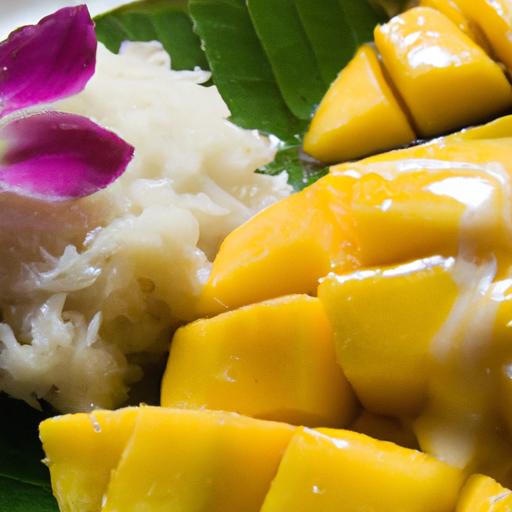


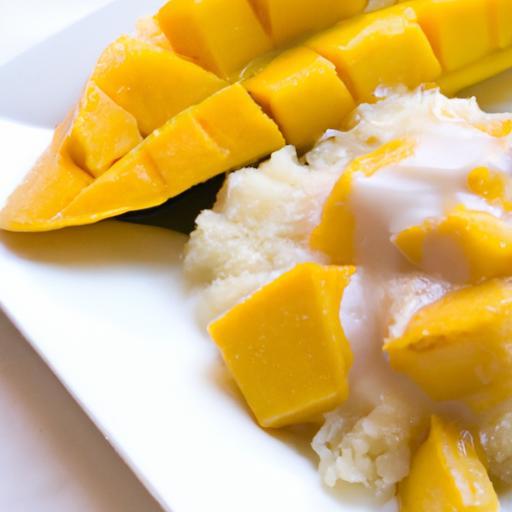
In the vibrant tapestry of Thai cuisine, few desserts capture the heart and palate quite like coconut sticky rice with mango-an exquisite harmony of flavors and textures that embodies the very essence of tropical indulgence. Known locally as khao niao mamuang, this beloved treat is more than just a sweet ending; it’s a cultural celebration wrapped in a velvety embrace of warm, fragrant sticky rice drenched in luscious coconut milk, paired with the juicy sweetness of sun-ripened mango slices. journey with us as we unravel the history, craft, and sensory delights of this iconic Thai dessert-where simplicity meets sophistication, and every bite transports you too the sun-drenched orchards and bustling markets of Thailand’s vibrant streets. Welcome to the world of sweet bliss.
Sweet Bliss: Exploring Thai Coconut Sticky Rice with Mango
Sweet Bliss: Exploring Thai Coconut Sticky Rice with Mango invites you into the heart of Thailand’s rich culinary heritage-a dessert revered not only for its luscious, creamy texture but for the cultural story it carries through generations. This harmonious marriage of tender, coconut-infused sticky rice with ripe, golden mango epitomizes balance and indulgence, a dish that has graced royal tables and village feasts alike.
Origins and Cultural importance of Thai Coconut Sticky Rice with Mango
Rooted deeply in Thailand’s culinary traditions, coconut sticky rice with mango, known locally as Khao Niew Mamuang, is much more than a simple dessert. It embodies the essence of Thai hospitality and seasonal celebration. traditionally enjoyed during Thailand’s lush mango season, this treat symbolizes abundance and auspicious beginnings. Farmers would celebrate the harvest with this dish, showcasing the perfect blend of local produce and skillful cooking techniques passed down through families.
Historically, this dish appeared during festive occasions and Buddhist ceremonies, symbolizing prosperity and gratitude. Its simplicity belies the meticulous preparation required to achieve that divine sticky rice texture infused with fragrant coconut milk. The melding of naturally sweet mangoes with creamy rice expresses Thailand’s ideology of harmony in food-balancing sweet, creamy, and slightly salty flavors.
Mastering the Perfect Texture: The Art of Preparing Coconut Sticky rice
Achieving that iconic creamy yet chewy texture is where many home cooks feel uncertain. The secret lies in the quality of the sticky rice itself-glutinous rice-which isn’t truly “glutinous” but sticky because of its unique starch composition. Rinsing the rice thoroughly removes excess surface starch and soaking it for several hours softens the grains, allowing even cooking without mushiness.
Steaming the soaked rice gently preserves its structure while absorbing the coconut milk mixture contributes to the velvety mouthfeel. Freshly grated coconut milk-rich and unadulterated-is preferred for the authentic taste and aroma. Be sure to reserve some of the coconut sauce to drizzle on the finished dish,elevating the flavor complexity with subtle saltiness that enhances the mango’s sweetness.
Choosing the Ripest Mango Varieties for a Harmonious Flavor Balance
Picking the right mango is crucial to Sweet Bliss: Exploring Thai Coconut sticky Rice with mango. The mango shoudl be perfectly ripe-firm yet yielding to a light squeeze, bursting with fruity fragrance and natural sugars. While the Thai nam Dok Mai is traditionally favored for its floral aroma and smooth flesh, other excellent varieties include Ataulfo and Keitt mangoes, which offer buttery texture and balanced sweetness.
Look for vibrant yellow or golden skin with a hint of blush and avoid overly green or bruised fruit. The fresh mango’s sweetness will contrast beautifully with the creamy coconut rice, creating a harmonious sensory experience.Slice the mango thinly or into elegant, fan-shaped pieces to add visual appeal and perfect forkfuls with every bite.
Elevate Yoru Dessert Experience: Creative Serving Suggestions and Pairings
Transform the classic presentation into a feast for the eyes and palate by plating your coconut sticky rice with mango alongside thoughtful garnishes and complementary flavors. A sprinkle of toasted sesame seeds or crushed roasted mung beans adds delightful crunch, while a mint leaf or an edible flower intensifies freshness and elegance.
Serve on a rustic banana leaf or in colorful ceramic bowls to evoke customary Thai sensibility.For a modern twist, pair the dish with a refreshing Thai iced tea or a cold coconut water cocktail infused with lime and basil. Adding a dollop of coconut whipped cream or a drizzle of homemade palm sugar syrup can enrich sweetness without overpowering.

Prep and Cook Time
- Preparation: 6 hours (including soaking time)
- Cook Time: 30 minutes
- Total Time: 6 hours 30 minutes
Yield
Serves 4 generous portions
Difficulty Level
Medium – requires planning for soaking and gentle steaming but yields rewarding results.
Ingredients
- 1 cup glutinous (sticky) rice, rinsed and soaked for at least 4 hours or overnight
- 1 1/2 cups coconut milk (preferably fresh)
- 1/2 cup granulated sugar
- 1/4 teaspoon fine sea salt
- 2 ripe mangoes, peeled and sliced thin
- 1 tablespoon toasted sesame seeds or roasted mung beans (optional garnish)
- Banana leaf or serving bowls, for presentation
Instructions
- Drain the soaked glutinous rice well. Place it in a bamboo or metal steamer lined with cheesecloth or a light kitchen towel.
- Steam the rice over boiling water for 20-25 minutes,checking midway and fluffing gently once to ensure even cooking. The grains should be tender yet cohesive.
- While the rice steams, combine coconut milk, sugar, and salt in a saucepan over low heat.stir continually until sugar dissolves. Do not boil.
- Transfer steamed rice to a large mixing bowl. Pour about two-thirds of the coconut milk mixture over the hot rice, gently folding to incorporate without mashing. Cover and let absorb for 20-30 minutes.
- Reserve the remaining coconut sauce to serve alongside the sticky rice.
- Arrange the mango slices neatly on each serving plate. Mound the coconut sticky rice beside or partially atop the mango for stunning contrast.
- Drizzle with reserved coconut sauce, sprinkle toasted sesame seeds, and garnish with fresh mint if desired.
Chef’s Notes & Tips for Success
- Rice soaking: Do not skip.Proper soaking ensures even cooking and avoids brittle texture.
- Steaming alternative: Use a multi-tiered steamer or bamboo basket for authentic texture; avoid boiling rice directly.
- Sugar adjustment: Taste coconut sauce before mixing and adjust sweetness to preference.
- Make-ahead: Prepare sticky rice and sauce up to 4 hours in advance and warm gently before serving.
- Mango selection: If out of season, frozen mango or chilled papaya can be a creative alternative.
- Vegan version: Use coconut sugar instead of white sugar to deepen flavor and maintain vegan integrity.
Serving Suggestions
Serving Sweet Bliss: Exploring Thai Coconut Sticky Rice with Mango with an eye for detail enhances both flavor and presentation. Consider layering the sticky rice in small glass jars topped with mango slices for a party-ready dessert. Or, serve on a banana leaf plate to reflect authentic Thai style. A side of lightly toasted shredded coconut or a drizzle of palm sugar caramel can amplify the indulgence.
This dessert uniquely pairs with hot jasmine tea or a chilled lemongrass-infused drink to cleanse the palate and extend the sensory delight. For more Thai-inspired desserts, discover creative mango sticky rice variations.
| Nutrient | Per Serving |
|---|---|
| Calories | 320 kcal |
| Protein | 3 g |
| Carbohydrates | 58 g |
| Fat | 7 g |
For a deeper dive into the health benefits and cultural history of coconut and rice in southeast Asian cooking, the National Geographic’s feature on coconut rice offers an authoritative outlook.
Q&A
Q&A: Sweet Bliss – exploring Thai Coconut Sticky Rice with Mango
Q1: What is Thai Coconut Sticky Rice with Mango?
A1: Thai Coconut Sticky Rice with Mango, or Khao Niew Mamuang, is a beloved traditional dessert from Thailand. It beautifully combines warm, sweetened sticky rice infused with creamy coconut milk alongside ripe, juicy mango slices. The harmony of flavors and textures creates a sublime experience that’s both comforting and refreshing.
Q2: What makes the sticky rice in this dish so special?
A2: The sticky rice used here is glutinous rice, which has a unique sticky texture when cooked, enabling it to cling together perfectly. When steamed and soaked in sweet coconut milk, the rice becomes luxuriously tender and emits a subtle fragrance, making it the heart of this dessert’s delight.
Q3: Why is coconut milk essential in this dessert?
A3: Coconut milk adds richness and a creamy sweetness to the sticky rice, transforming it from plain grain into a velvety indulgence. It also balances the natural tartness of the mango, enhancing the overall flavor profile and creating that signature luscious mouthfeel.
Q4: Are ther specific mango varieties best suited for this dish?
A4: Yes! The ideal mangoes for this dessert are those that are ripe but still slightly firm, such as the nam Dok Mai or Ataulfo varieties. These mangoes offer a perfect balance of sweetness and texture-not too mushy, so they create a pleasant contrast to the soft sticky rice.
Q5: Can this dessert be enjoyed year-round?
A5: While mango season in Thailand is typically from April to June, many tropical and imported mangoes allow enthusiasts worldwide to savor this treat year-round. The sticky rice and coconut milk components can easily be prepared any time, so the dessert remains a timeless favorite.
Q6: How is thai coconut sticky rice with mango traditionally served?
A6: It is commonly served warm or at room temperature, with the sticky rice shaped into a mound next to neatly sliced mango pieces. A drizzle of additional coconut cream on top and a sprinkling of roasted mung beans or sesame seeds add texture and a final flourish.
Q7: Is this dessert gluten-free and suitable for various dietary preferences?
A7: Absolutely! Thai Coconut sticky Rice with Mango is naturally gluten-free and vegan-kind, making it accessible for many dietary needs. Its simple ingredients pack vibrant flavor without relying on dairy or gluten.
Q8: can I experiment with other fruits or toppings?
A8: While mango is the classic pairing, adventurous eaters sometimes try tropical fruits like durian, jackfruit, or lychee. Toppings such as toasted coconut flakes or a pinch of flaky sea salt can also elevate the flavor while staying true to the dish’s spirit.
Q9: What cultural significance does this dessert hold in Thailand?
A9: This dessert is more than just a sweet treat; it symbolizes the beauty of Thai culinary craftsmanship-combining fresh, local ingredients in a way that honors nature’s bounty. It’s frequently enough enjoyed during festivals and family gatherings as a gesture of hospitality and shared happiness.
Q10: How can I make authentic Thai coconut sticky rice with mango at home?
A10: Start with soaking and steaming glutinous rice until tender. Warm coconut milk mixed with sugar and a pinch of salt is then gently poured over the rice,allowing it to soak. Serve it with freshly sliced, ripe mango and an extra drizzle of coconut cream. Patience and quality ingredients are the secrets to capturing its true magic!
Wrapping Up
As we close the chapter on the luscious world of Thai coconut sticky rice with mango, it’s clear that this humble dessert is much more than just a sweet treat. It’s a harmonious blend of textures and flavors-a velvety coconut embrace, the tender chew of sticky rice, and the vibrant freshness of ripe mango-that together tell a story of Thailand’s rich culinary heritage. Whether enjoyed at a bustling street market or recreated in your own kitchen,this dish invites you to savor a moment of pure,tropical bliss. So next time you crave something both comforting and exotic, let this iconic dessert be your delicious gateway to the heart of thai tradition.