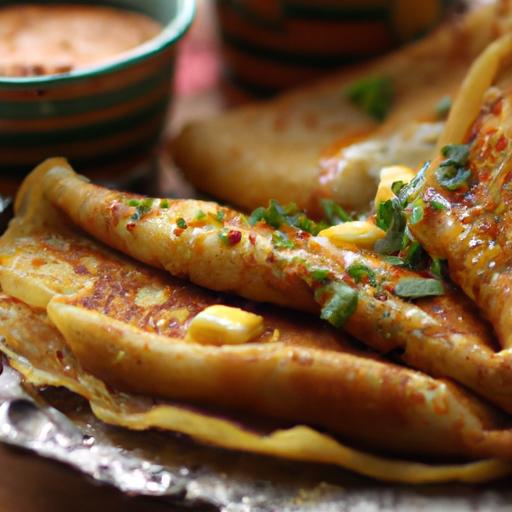


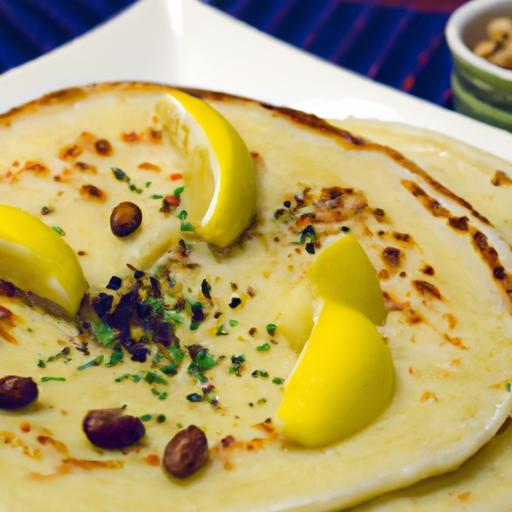
In the bustling heart of Moroccan kitchens, a culinary marvel bubbles gently in earthenware pans-a pancake unlike any other, renowned not just for its flavor but for its enchanting appearance. Baghrir,famously known as the “pancake with a thousand holes,” is more than a simple breakfast treat; it is a sensory journey into Morocco’s rich gastronomic heritage. Each delicate, spongy surface dotted with countless tiny craters tells a story of tradition, artistry, and the magic of fermentation.Join us as we peel back the layers of this captivating dish, exploring how Baghrir’s unique texture and subtly sweet taste have won the hearts of food lovers worldwide.
The Origins and Cultural Meaning of Baghrir in Moroccan Cuisine
Baghrir with a Thousand Holes has been an enduring symbol of Moroccan hospitality and culinary artistry for centuries. Originating from the bustling markets and serene kitchens of Morocco, baghrir showcases the country’s rich, diverse culture through its texture, aroma, and communal spirit. frequently enough enjoyed during special occasions like Ramadan or family celebrations, this spongy pancake is more than just a dish-it is indeed a cultural ritual that brings people together, invoking warmth and tradition.
Historically, baghrir was a staple breakfast item served with amlou (a luscious blend of argan oil, almonds, and honey), butter, or sweet honey drizzles. Its unique appearance, studded with hundreds of tiny holes, is as much an artistic marvel as a culinary one, symbolizing abundance and the Moroccan ethos of sharing food. Regions across Morocco add their own subtle twists-some incorporate semolina for a heartier bite,while others soften the batter with a touch of orange blossom water,infusing the dish with fragrant floral notes.
The Science Behind the Thousand Holes and Perfect Texture
What makes baghrir with a thousand holes truly magical lies in the science behind its fermentation and cooking technique. The delicate network of holes forms as carbon dioxide is released during fermentation,aided by the interaction of yeast and baking powder. This process creates a light, airy batter that, once poured onto a hot griddle, sets from the bottom while the bubbling surface forms the iconic porous texture.
The secret to perfect baghrir is balancing the batter’s hydration and fermentation time. A thin, well-aerated batter allows steam to rise through, gently cooking the pancake without flipping, resulting in a tender yet resilient crumb. Temperature control during cooking is crucial-too high, and the surface bubbles burst prematurely, leaving dense spots; too low, and the batter won’t cook through evenly.
Step by Step Guide to Mastering Conventional Baghrir Batter
prep and Cook Time
- Prep Time: 15 minutes
- Fermentation: 45 minutes to 1 hour
- Cook Time: 20 minutes
- Total Time: Approximately 1 hour 30 minutes
Yield
Approximately 12 medium-sized pancakes
Difficulty Level
Medium – requires attention to batter consistency and cooking temperature
ingredients
- 1 cup fine semolina, sifted
- 1 cup all-purpose flour, sifted
- 2 ½ tsp instant dry yeast
- 1 tsp baking powder
- 1 ¾ cups warm water (about 110°F/43°C)
- 1 tbsp sugar
- ½ tsp salt
- Optional: 1 tbsp orange blossom water for aromatic depth
Instructions
- Activate the yeast: In a small bowl, dissolve the sugar in ½ cup of the warm water. Sprinkle the yeast over the top and let it sit for 5-10 minutes until frothy and bubbly.
- Combine dry ingredients: In a large mixing bowl, whisk together the semolina, flour, baking powder, and salt until evenly blended.
- make the batter: Gradually pour the yeast mixture and the remaining 1 ¼ cups of warm water into the dry ingredients. Add the orange blossom water if using. Blend with an immersion blender or whisk vigorously until smooth and frothy-aim for a batter consistency similar to heavy cream.
- Ferment the batter: Cover the bowl with a clean kitchen towel or plastic wrap. let it rest in a warm, draft-free spot for 45 minutes to 1 hour. You will see the surface bubble and the batter rise slightly, signaling readiness.
- Heat the pan: Warm a non-stick skillet or traditional cast iron griddle over medium heat. Do not add oil or butter; a clean, dry surface is key to bubble formation.
- Cook each pancake: Pour a ¼ cup of batter onto the center of the pan, spreading slightly if needed. Cook only on one side; bubbles will form on the surface, creating the signature “thousand holes.” When the top is set and no longer wet (about 1-2 minutes), transfer the pancake to a plate. Repeat with the remaining batter.
- Serve warm: Baghrir is best enjoyed hot, drizzled with melted butter and honey or your favorite traditional accompaniment.
Serving Suggestions and Pairing Ideas for an Authentic Experience
Enhance your baghrir with a thousand holes moment by pairing it traditionally with Moroccan favorites. A classic accompaniment is generous spoonfuls of amlou, a rich spread made from roasted almonds, argan oil, and honey, whose nutty sweetness complements the pancake’s delicate texture. Alternatively, melted butter blended with fragrant orange blossom honey makes for an irresistible drizzle.
For a savory twist, serve baghrir alongside fragrant spiced stews or hearty vegetable tagines-allowing the pancake to soak up the rich sauces. Garnish with freshly chopped mint or a sprinkle of toasted sesame seeds for texture contrast and vibrant color.
To complete the experience, pair baghrir with freshly brewed Moroccan mint tea, a refreshing counterpoint that cuts through the richness and invites lingering conversation around the table.
Chef’s notes: Tips for Success
- For best results, ensure the batter is smooth and frothy; a blender helps incorporate air for more holes.
- Maintain medium heat to allow even cooking and bubble formation-too hot and baghrir will burn or fail to bubble.
- If the batter feels too thick,whisk in a tablespoon of warm water gradually until you achieve a pourable consistency.
- Baghrir can be made ahead: store cooked pancakes in an airtight container and reheat gently in a skillet or microwave wrapped in a damp towel.
- To make gluten-free baghrir,experiment substituting a fine millet flour or a certified gluten-free semolina alternative,adjusting water for consistency.
| Nutrient | Per Serving (1 pancake) |
|---|---|
| Calories | 110 |
| Protein | 3g |
| Carbohydrates | 22g |
| Fat | 0.5g |

For those eager to explore more Moroccan breakfast delights, check out our detailed Msemen recipe. To deepen your understanding of fermentation science behind traditional breads,visit this ScienceDaily fermentation overview.
Q&A
Q: What is Baghrir, and why is it called the “pancake with a thousand holes”?
A: Baghrir is a traditional Moroccan pancake known for its distinctive texture dotted with countless tiny holes. These pores form during cooking as the batter bubbles and dries, giving the pancake a spongy surface perfect for soaking up syrups and butters. This unique appearance is why Baghrir is often affectionately called the “pancake with a thousand holes,” resembling a delicate honeycomb.
Q: What ingredients make Baghrir so special and uniquely moroccan?
A: The magic of Baghrir lies in its simple yet precise ingredients: fine semolina flour, all-purpose flour, yeast, baking powder, a pinch of salt, and warm water. This combination, along with careful technique, produces a light batter that rises just right to create its signature texture. The blend of semolina adds a slight nuttiness and a pleasant grainy bite that sets it apart from other pancakes worldwide.
Q: How is Baghrir traditionally served in Moroccan culture?
A: Traditionally, Baghrir is served warm, generously drizzled with a mixture of melted butter and honey or sometimes a fragrant orange blossom syrup. It’s often enjoyed during breakfast or as a special treat with Moroccan mint tea. The pancake’s porous surface acts like a sponge, absorbing the sweet toppings and making each bite a luscious, flavorful experience.
Q: What makes the cooking of Baghrir so distinctive compared to other pancakes?
A: Unlike typical pancakes that are flipped on both sides, Baghrir cooks on only one side.As the batter heats,steam forms,causing bubbles to rise and break through the surface,creating the iconic holes. The underside cooks to a golden finish while the top remains softly set but never flipped. This method preserves the pancake’s moist and airy texture, making it utterly unique.
Q: are there regional variations of Baghrir in Morocco or North Africa?
A: Yes! while Baghrir is most popular in Morocco,variations exist throughout the Maghreb region. Some recipes may include slight ingredient adjustments,such as adding a hint of orange blossom water or cinnamon for aroma. The consistency of the batter and the size of the pancakes can also vary, but the hallmark spongy texture with holes remains consistent.
Q: Can Baghrir be made gluten-free or adapted for other dietary preferences?
A: Absolutely! While traditional Baghrir uses semolina and wheat flour, creative cooks have experimented with gluten-free flours like rice flour or millet, combined with xanthan gum or other binders, to mimic the texture. Though the holes might appear slightly different, the essence of Baghrir-light, airy, and perfect for soaking up honey-can still be captured with thoughtful substitutions.
Q: What cultural significance does Baghrir hold during Moroccan celebrations?
A: Baghrir is more than just a breakfast item-it’s a symbol of hospitality and celebration. During religious holidays, weddings, and family gatherings, serving Baghrir accompanied by warm tea is a cherished tradition. Its preparation and sharing foster a sense of community, weaving stories and warmth into every bubbling pancake.
Q: How can someone new to making Baghrir achieve those signature holes at home?
A: The key to those “thousand holes” is an active yeast, well-aerated batter, and a hot but not scorching pan. letting the batter rest after mixing helps the yeast work its magic. when cooking, use a non-stick skillet over medium heat and pour in a thin, even layer. Resist the urge to flip the pancake; watch as bubbles form and burst, revealing the lovely pockmarked surface. Patience and practice will transform every batch into a magical Moroccan masterpiece!
In Retrospect
As the delicate steam rises from a fresh stack of baghrir, each thousand-hole pancake tells a story-of centuries-old traditions, of warm kitchens echoing with laughter, and of Morocco’s rich culinary tapestry. More than just a breakfast treat, baghrir is a symbol of connection, patience, and the simple magic that happens when water, flour, and yeast unite. Whether drizzled with honey,dipped in melted butter,or enjoyed plain,these spongy,airy wonders invite us to savor not just a taste,but a piece of Moroccan heritage. So next time you seek a bite that bridges history and flavor, let baghrir be your flavorful guide through the enchanting world of Moroccan cuisine.