

In the vibrant world of culinary delights, few sauces capture the imagination quite like a luscious, creamy pesto. It’s a harmonious dance of fresh basil, nutty pine nuts, sharp Parmesan, and velvety cream that transforms simple ingredients into an unforgettable experience. But what exactly makes this sauce so irresistibly smooth and bursting with flavor? In this article, we embark on a flavorful journey to unlock the secrets behind crafting the perfect creamy pesto sauce-revealing insider tips, essential techniques, and the subtle tweaks that elevate a humble sauce into an indulgent masterpiece. Whether you’re a seasoned chef or a passionate home cook, get ready to uncover the magic that turns pesto into pure culinary gold.
Unlocking the Secrets of Irresistible Creamy Pesto Sauce begins with appreciating the delicate balance of freshness, texture, and flavor that transforms a simple basil blend into a silky, vibrant masterpiece. This classic Italian sauce owes its allure not just to its shining green color but to the harmony created when the freshest basil meets creamy ingredients and a carefully curated balance of garlic and nuts. Through careful selection and precise technique, you can craft pesto that elevates every dish it graces, from al dente pasta to grilled vegetables or crusty artisan bread.
Prep and Cook Time
Readiness: 15 minutes | Total Time: 15 minutes
Yield
About 1 cup, serves 4 as a pasta sauce or spread
Difficulty Level
easy – perfect for anyone eager to elevate their culinary repertoire with fresh, creamy pesto
Ingredients
- 2 cups fresh basil leaves, tightly packed, washed and dried thoroughly
- 1/2 cup high-quality extra virgin olive oil, cold-pressed for vivid flavor
- 1/3 cup freshly grated Parmesan cheese, aged for depth but not overpowering
- 1/4 cup raw pine nuts, lightly toasted to enhance nuttiness
- 1 large garlic clove, peeled
- 1/4 cup cream cheese, softened at room temperature for a luscious texture
- 1 tablespoon freshly squeezed lemon juice, to brighten and balance
- Salt and freshly ground black pepper, to taste
Instructions
- Toast the pine nuts: Place pine nuts in a dry skillet over medium heat. Stir continuously for about 3-4 minutes untill golden and aromatic. Transfer to a cooler plate to avoid overcooking.
- Prepare the basil: Make sure basil leaves are completely dry-any moisture will dull the pesto’s texture and flavor. You can gently pat dry or spin in a salad spinner.
- Start blending: In a food processor, pulse the garlic and toasted pine nuts until coarsely ground, about 10 pulses. This step unlocks the rich nutty base without turning into a paste.
- Add basil and cheese: Add the basil leaves and Parmesan cheese, pulsing 6-8 times until the mixture is roughly combined but still has texture.
- Incorporate creamy elements: add the softened cream cheese and lemon juice, then pulse again until the sauce begins to thicken and look creamy.
- Slowly drizzle olive oil: With the processor running, slowly pour in the olive oil until fully incorporated and silky smooth.Scrape down the bowl with a spatula as needed to ensure an even blend.
- Season to taste: Add salt and freshly cracked black pepper gradually, tasting as you go, to achieve a perfect balance.
- Adjust consistency: If the pesto is too thick,add a teaspoon of water or more olive oil for a creamier,looser texture that clings beautifully to pasta or bread.
Tips for success: Achieving Silky Smooth Pesto Every Time
- Dry basil leaves thoroughly: Excess water weakens the vibrant color and fresh flavor. Use a salad spinner or kitchen towel before blending.
- Toast nuts lightly: This step elevates the nutty depth without overpowering the fresh basil. Avoid over-toasting, which can introduce bitterness.
- Use softened cream cheese: Instead of heavy cream or butter, cream cheese offers an indulgent silkiness that bolsters flavor without heaviness.
- Control garlic intensity: start with one clove, but taste the pesto before adding more-raw garlic can quickly dominate the delicate herbaceous notes.
- Pulse gently: Over-processing can heat the air in a processor and damage the basil, causing discoloration and bitterness.
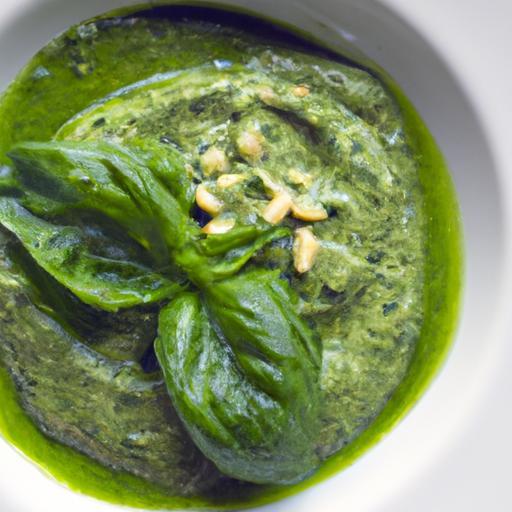
- Store with olive oil topping: To maintain that irresistible emerald hue and fresh taste, cover pesto with a thin layer of olive oil before refrigerating.
Serving Suggestions
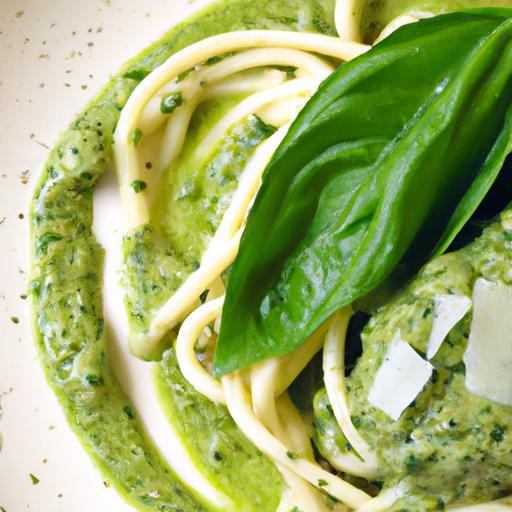
Generously toss this creamy pesto with fresh pasta, drizzle over roasted vegetables, or spread on warm crusty bread for an instant gourmet treat. Garnish with shaved Parmesan, whole toasted pine nuts, or a few extra basil leaves for a fresh visual and textural contrast. For an elegant touch, finish with a sprinkle of lemon zest to enhance the bright nuances interwoven through each bite.
| Nutrient | Per ¼ cup Serving |
|---|---|
| Calories | 180 kcal |
| Protein | 5 g |
| Carbohydrates | 3 g |
| Fat | 17 g |
For those looking to deepen their herbaceous skills, see our related article on Mastering Fresh herb Blends for Every Season. To understand more about the history and variations of traditional pesto, the Encyclopaedia britannica offers a fascinating overview.

Q&A
Q&A: Unlocking the Secrets of Irresistible Creamy Pesto Sauce
Q1: What makes creamy pesto sauce stand out from traditional pesto?
A: While classic pesto dazzles with its vibrant basil, pine nuts, garlic, and Parmesan blend, creamy pesto introduces a luscious texture that elevates every bite. The addition of cream or a creamy element transforms the sauce into a velvety haven, perfect for coating pasta, drizzling over roasted veggies, or using as a dip. This silky consistency makes the flavors feel richer and more indulgent without overpowering the fresh herbal notes.
Q2: Can you achieve creaminess without heavy cream?
A: Absolutely! Creaminess can come from a variety of sources beyond dairy cream.Silken tofu, soaked cashews, or even greek yogurt can lend a smooth, rich texture while adding subtle depth. These alternatives not only cater to different dietary preferences but also enhance the pesto with unique flavors and nutritional benefits, making the sauce both indulgent and wholesome.
Q3: How do you avoid a grainy texture when making creamy pesto?
A: The key lies in the grinding and blending technique. Use a high-speed blender or food processor, and add liquids gradually to encourage emulsification-the seamless binding of oils, creams, and solids. Toasting nuts lightly before blending brings out oils that help smooth the sauce. Lastly, patience is essential: blend until the sauce achieves a silky flow, stopping to scrape down the sides for even consistency.Q4: Which herbs and greens work best in a creamy pesto?
A: basil remains the crown jewel of pesto, but creamy pesto invites experimentation with herbs like spinach, arugula, kale, or even parsley. These greens offer a spectrum of flavors-from peppery to earthy-while maintaining that vibrant green color.Blending different greens can create complex flavor profiles that pair perfectly with the sauce’s creaminess.Q5: What role do nuts play in creamy pesto, and can they be substituted?
A: Nuts contribute essential texture, nuttiness, and richness.Pine nuts are classic, prized for their buttery softness and subtle flavor. However, almonds, walnuts, or pecans can be fantastic stand-ins, each adding unique character-from sweet and crunchy to robust and bold. Toasting these nuts before blending intensifies their aroma and smoothes the finished sauce.
Q6: How can you tweak creamy pesto for a lighter or vegan-friendly version?
A: For a lighter pesto, swap full-fat cream for lighter plant-based milks such as almond or oat milk, thickened slightly with blended nuts or chia seeds to keep it luscious.Nutritional yeast can replace Parmesan’s cheesiness, delivering umami without dairy.Silken tofu or blended avocado offers creaminess and body-all while keeping the sauce vibrant and dreamy.
Q7: What dishes shine brightest when paired with creamy pesto?
A: Creamy pesto’s versatility brightens everything it touches. It’s dreamy tossed with pasta or drizzled on roasted vegetables like zucchini, cauliflower, or carrots. Spread it on warm sandwiches or swirled into grain bowls and soups to inject fresh, herbaceous notes. For a creative twist, use it as a base for pizza or dollop atop grilled mushrooms or artichokes.
Q8: How do you store creamy pesto sauce to keep it fresh and vibrant?
A: Store your creamy pesto in an airtight container, smoothing the surface and drizzling a thin layer of olive oil on top to prevent oxidation. Refrigerate for up to five days. For longer storage, freeze in ice cube trays, then transfer cubes to a sealed bag-perfect for speedy, flavorful additions to future meals without losing that irresistible creaminess.
Unlocking the secrets of creamy pesto is about balancing freshness, texture, and flavor-an art that turns simple ingredients into a silky, green gem that elevates every dish it adorns.
Closing Remarks
as we close the lid on the vibrant jar of creamy pesto perfection, remember that unlocking its secrets is just the beginning of a delicious journey. With every velvety spoonful, you’re not just tasting a sauce-you’re experiencing a symphony of fresh basil, rich cheese, and nutty depth, harmonized into an irresistible masterpiece. Whether draped over warm pasta,slathered on a crusty baguette,or swirled into a hearty soup,creamy pesto elevates everyday meals into unforgettable moments. So go ahead-embrace these insights, experiment boldly, and let your kitchen become the birthplace of your own signature pesto magic. After all, the secret ingredient is always a dash of passion.