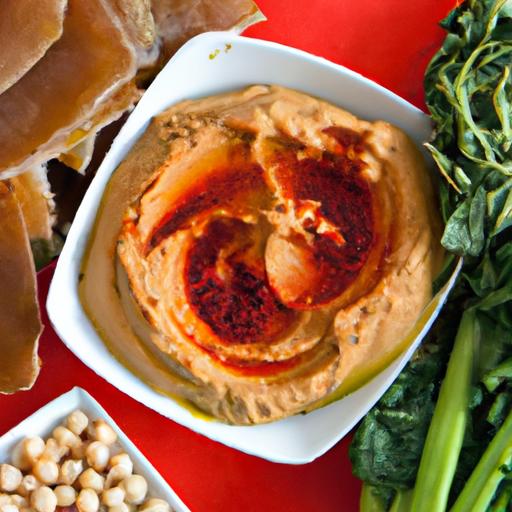


In the vibrant world of Middle Eastern cuisine, few dips capture the heart and palate quiet like muhammara. This roasted red pepper and walnut spread has long been celebrated for its rich, smoky warmth and a subtle sweetness that dances on the tongue. But what happens when you add a tangy twist to this classic? Enter sumac-a lemony, crimson-hued spice that injects a shining, zesty note, elevating muhammara from beloved staple to unforgettable sensation. In this article, we delve into the origins of muhammara, explore the magical role of sumac, and guide you through crafting a version of this dip that’s as bold in flavor as it is steeped in tradition. Whether you’re a seasoned foodie or a curious home cook, prepare to embark on a culinary journey where every bite tells a story of tang, texture, and timeless taste.
The Role of Sumac in Elevating Conventional Recipes
Muhammara with Sumac is a delicious journey into the vibrant flavors of the levant, where the zest of sumac transforms this classic red pepper dip into a bright, tangy sensation. Originating from Aleppo, syria, muhammara is traditionally a roasted red pepper and walnut blend, but the addition of sumac lends a uniquely citrusy sharpness that elevates each bite with an inviting complexity. This lemony-hued spice, harvested from dried sumac berries, offers a natural acidity that balances the dip’s smoky sweetness and nutty depth, creating a fresh twist on a beloved recipe.
Prep and Cook Time
- Preparation Time: 15 minutes
- Cooking time: 10 minutes
- Total Time: 25 minutes
Yield
Serves 6-8 as an appetizer or snack
Difficulty Level
Easy-perfect for cooks of all skill levels looking to explore Middle Eastern flavors.
Ingredients
- 2 large red bell peppers, roasted, peeled, and seeded
- 1 cup walnuts, toasted
- 2 tablespoons pomegranate molasses
- 1 tablespoon extra virgin olive oil, plus more for drizzling
- 1 teaspoon ground cumin
- 1 teaspoon Aleppo pepper (or mild chili flakes)
- 1 ½ teaspoons ground sumac
- 2 cloves garlic, minced
- ½ teaspoon kosher salt, adjust to taste
- Juice of ½ lemon
- fresh flat-leaf parsley, for garnish
- Toasted pita bread or fresh vegetable sticks, for serving
Instructions
- Roast the red peppers: Place whole red bell peppers on a gas burner or under a broiler, turning until charred on all sides. Transfer to a bowl, cover with plastic wrap, and let steam for 10 minutes to loosen skins.
- Prepare the peppers: Peel off the burnt skin, remove seeds and stems, and roughly chop the softened flesh.
- Toast the walnuts: In a dry skillet over medium heat, toast walnuts for 4-5 minutes until fragrant and lightly golden, shaking the pan regularly to prevent burning.
- Blend the dip: In a food processor, combine roasted peppers, toasted walnuts, garlic, pomegranate molasses, olive oil, cumin, Aleppo pepper, sumac, lemon juice, and salt. Pulse until smooth but still slightly textured-avoid over-processing to maintain a lovely mouthfeel.
- Adjust seasoning: Taste your muhammara and add extra sumac or salt if desired to brighten the tanginess.
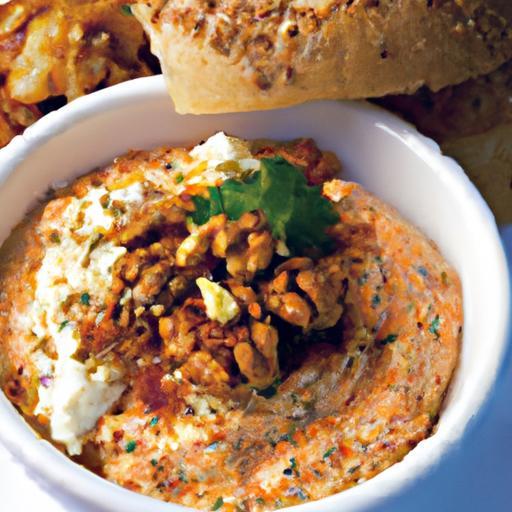
- Chill and serve: Transfer to a serving bowl, drizzle with a little olive oil, sprinkle with fresh parsley, and garnish with extra sumac or toasted walnuts.
Tips for Success
- Roasting peppers: Use quality red bell peppers for a sweet, smoky flavor. If pressed for time, use jarred roasted peppers but rinse to reduce brine tang.
- Sumac quality: Opt for fresh,vibrant sumac from a reputable middle Eastern market or spice shop for maximum flavor impact.
- Texture matters: Pulse instead of blending continuously to keep the dip’s characteristic texture-too smooth risks losing depth.
- Make ahead: Prepare muhammara up to two days in advance. Flavors deepen after resting in the fridge, but bring to room temperature before serving.
- Nut alternatives: Substitute walnuts with toasted almonds or pistachios for a slightly different but delightful nutty undertone.
Creative Serving Suggestions to Enhance Your Dip Experience
Muhammara with Sumac shines when presented thoughtfully. Serve it as a centerpiece on a mezze platter alongside hummus, baba ganoush, and freshly baked pita. For a textured contrast, top with pomegranate seeds or drizzle with honey to introduce a sweet balance. Elevate toast or crispy crackers by spreading a generous layer and topping with crumbled feta and fresh herbs. For an unexpected twist, try dolloping muhammara over grilled fish or roasted vegetables-it pairs beautifully as a sauce that brightens richer dishes. Colorful vegetable crudités such as cucumber ribbons, carrot sticks, and radishes not only add crunch but create a visually stunning presentation that invites guests to dive in.
| Nutritional Info (per 1/4 cup) | Amount |
|---|---|
| calories | 180 |
| Protein | 4g |
| carbohydrates | 7g |
| Fat | 15g |
For an authentic exploration of Middle Eastern flavors, try our Baba Ganoush recipe for a smoky eggplant counterpart. To learn more about sumac’s unique qualities, visit Encyclopedia Britannica’s sumac entry for an authoritative overview.

Q&A
Q&A: Muhammara with sumac – A Tangy Twist on a Classic Dip
Q1: What is Muhammara, and why is it considered a classic dip?
A1: Muhammara is a vibrant, flavorful dip originating from the Levantine region, primarily Syria. Made from roasted red peppers,walnuts,breadcrumbs,and a blend of spices,it offers a perfect balance of smoky,sweet,and savory notes. Its rich texture and bold flavors have earned it a beloved spot on Middle Eastern tables,celebrated both as a mezze and a versatile accompaniment.
Q2: How does adding sumac transform traditional Muhammara?
A2: Sumac introduces a bright, lemony tang that enhances the natural sweetness of the roasted peppers while adding a subtle acidity. This tangy twist lifts the overall flavor profile,giving Muhammara a refreshing zest and complexity that’s both unexpected and deeply satisfying.
Q3: Can you describe the flavor profile of Muhammara with sumac?
A3: Imagine a harmonious dance of smoky roastiness, creamy walnuts, a gentle bite of mild chili, and the crisp, citrusy sparkle of sumac. The acidity from the sumac cuts through the richness, awakening the palate with every bite. It’s a perfect blend of earthiness and brightness, offering a dip that’s both comforting and invigorating.
Q4: what are the best ways to serve Muhammara with sumac?
A4: Muhammara with sumac shines as a dip for fresh pita bread, crisp vegetable sticks, or as a vibrant spread on sandwiches and wraps. It also pairs beautifully with roasted vegetables or grilled plant-based proteins, adding depth and a tangy punch. For an elegant appetizer, drizzle some olive oil and sprinkle extra sumac on top before serving.
Q5: Are there any tips for preparing Muhammara to maximize its flavor?
A5: Roasting the red peppers until their skins are charred is key-it brings out their natural sweetness and smokiness. Toasting the walnuts lightly enhances their nuttiness, while fresh sumac sprinkled just before serving ensures the lemony notes remain bright. Lastly, blending the dip to a creamy yet textured consistency strikes the perfect balance between smoothness and bite.
Q6: Can Muhammara with sumac be customized for different dietary preferences?
A6: Absolutely! Muhammara is naturally vegan and gluten-free if you choose gluten-free breadcrumbs or omit them altogether. You can adjust the spice level by varying the amount of chili or red pepper flakes. For nut-free variations, substituting walnuts with roasted sunflower seeds can maintain texture and flavor without compromising the essence of this classic dip.
Q7: How does sumac differ from lemon juice when used in muhammara?
A7: While both sumac and lemon juice add acidity, sumac provides a more subtle, complex tang that’s slightly fruity and less sharp than lemon juice. It also offers a unique floral undertone and vibrant crimson color, enriching the dip visually and flavor-wise. Using sumac gives Muhammara a distinctive character that stands apart from the straightforward sourness of lemon.
This Q&A sheds light on the enchanting world of Muhammara with sumac,inviting readers to explore a delicious blend of tradition and innovation that elevates a classic Middle Eastern dip with a tangy,aromatic flourish.
Future Outlook
Bringing the vibrant, citrusy notes of sumac into the rich, roasted flavors of traditional muhammara transforms this beloved Middle Eastern dip into something delightfully unexpected. Whether spread on warm pita,dolloped onto grilled veggies,or paired with crunchy crackers,muhammara with sumac offers a tangy twist that awakens the palate and invites culinary curiosity. Embracing this flavorful fusion not only honors the classic roots of the dish but also celebrates the endless possibilities that a simple sprinkle of spice can inspire in the kitchen. So next time you crave a dip with depth and zing, let sumac elevate your muhammara experience-your taste buds will thank you.