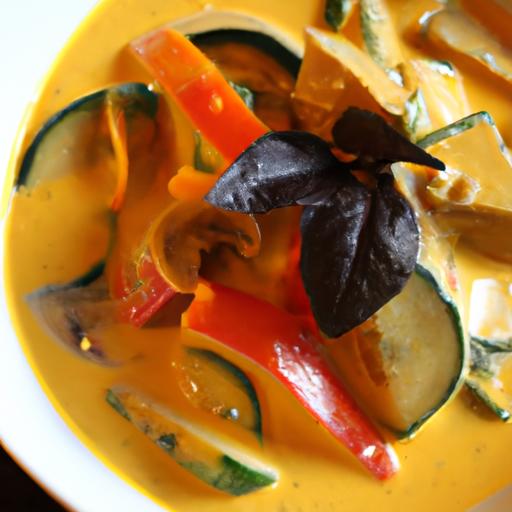


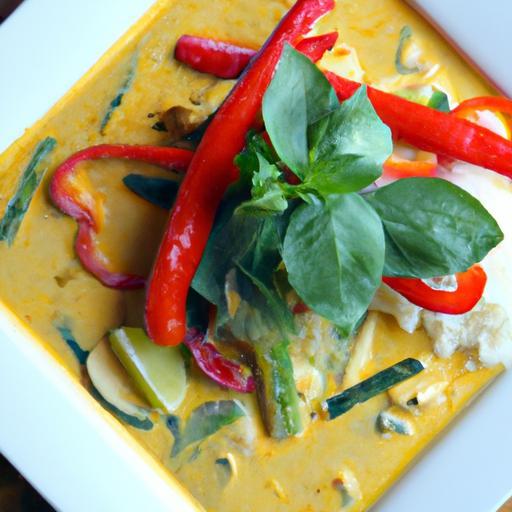
Step into a world where bold spices adn creamy textures dance harmoniously on your palate-welcome to the vibrant realm of Thai Panang Curry. Traditionally celebrated for its rich, aromatic blend of coconut milk, red chili, and fragrant herbs, Panang curry is a staple that captivates food lovers worldwide. But did you know this beloved dish can shine just as brilliantly in a vegetarian form? Discover how the hearty, plant-based ingredients combined with that signature silky, slightly sweet curry sauce create a culinary experience that’s both comforting and exciting. Whether you’re a seasoned vegetarian or simply curious to explore new flavors,the vegetarian Panang curry promises a delightful journey through Thailand’s lush and colorful cuisine.
Exploring the Rich History and Cultural Roots of Panang Curry
Discover the vibrant flavors of Thai Panang curry vegetarian as you embark on a culinary journey that traces its origins back to the heart of Thailand’s rich gastronomic heritage. Panang curry, a beloved variant of Thai curries, is known for its creamy texture and balanced harmony of sweet, spicy, and savory notes. Traditionally, Panang curry derives from Central Thailand and stands apart from other Thai curries through its thicker, peanut-infused sauce and fragrant kaffir lime leaves that lend a unique zest. This dish has evolved over centuries, influenced by royal kitchens and local street food vendors alike.
This vegetarian interpretation invites you to savor all the authentic warmth of Panang curry while celebrating plant-based ingredients that complement its luxurious sauce. Whether you’re a longtime enthusiast or a curious beginner, this recipe promises a satisfying, colorful experience that honors tradition while embracing modern dietary preferences.
Key Ingredients That Define the Unique Flavor of Thai Panang Curry
- Panang curry paste: The soul of the dish, typically crafted from dried red chilies, lemongrass, galangal, coriander root, and toasted cumin seeds-shop-bought pastes work well for convenience.
- Coconut milk: Adds a rich creaminess and smoothness that balances the heat.
- Peanut butter or ground peanuts: Provides the hallmark nutty undertone distinctive to Panang curry.
- Kaffir lime leaves: Impart a citrusy brightness and aroma that elevates the complexity.
- Vegetables like bell peppers, mushrooms, and baby corn: Offer texture, sweetness, and variety while absorbing the luscious curry flavors.
- Firm tofu:
- Thai basil and fresh lime juice: Added at the end for freshness and a subtle peppery finish.
Prep and Cook time
- Prep Time: 15 minutes
- Cook Time: 25 minutes
- Total Time: 40 minutes
Yield
Serves 4 generously with steamed jasmine rice or your favorite grain.
Difficulty Level
Medium: Ideal for cooks comfortable with handling fresh ingredients and balancing flavors, yet approachable for adventurous home chefs.
ingredients
- 3 tbsp Panang curry paste (store-bought or homemade)
- 1 tbsp vegetable oil
- 1 can (14 oz) full-fat coconut milk
- 2 tbsp natural peanut butter
- 200g firm tofu, pressed and cubed
- 1 red bell pepper, thinly sliced
- 1 cup baby corn, halved
- 1 cup shiitake mushrooms, sliced
- 4 kaffir lime leaves, torn into pieces
- 2 tbsp soy sauce or tamari
- 1 tbsp brown sugar or coconut sugar
- 1 tsp grated fresh ginger
- 1 handful Thai basil leaves
- 1 lime, juiced
- Steamed jasmine rice, to serve
Step by Step Guide to Crafting the Perfect Vegetarian Panang Curry
- heat the oil in a large skillet or wok over medium heat. Add the Panang curry paste and sauté gently for 2-3 minutes until fragrant, stirring frequently to prevent burning. This step blooms the spices and deepens flavor.
- Whisk in half of the coconut milk gradually, stirring well to combine with the curry paste. Allow it to simmer gently, thickening and releasing aromatic oils, for about 5 minutes.
- Add the peanut butter and stir continuously until fully incorporated, creating the signature creamy, nutty base.
- Toss in the tofu cubes, carefully coating them in the sauce. Let them warm through for around 5 minutes, allowing them to absorb the curry flavors.
- Add the bell pepper, baby corn, mushrooms, kaffir lime leaves, soy sauce, brown sugar, and fresh ginger. stir to combine all ingredients evenly.
- Pour in the remaining coconut milk, reduce the heat to low, and let the curry simmer gently for 10 minutes or until the vegetables are tender but still vibrant and crisp.
- Remove from heat. Stir in the fresh lime juice and Thai basil leaves to lift and brighten the flavors just before serving.
- Serve immediately over steamed jasmine rice, garnished with additional Thai basil or a wedge of lime for an extra pop of freshness.
Chef’s Notes: Tips for Success
- Vegetable Variations: Feel free to customize with your favorite vegetables like zucchini, snap peas, or eggplant for different textures and flavors.
- Making it Spicier: Add thinly sliced fresh chilies or chili flakes to the curry as it simmers for an extra kick.
- Peanut Allergy Substitute: Swap peanut butter for tahini or almond butter to accommodate allergies without losing creaminess.
- Make-Ahead: Curry reheats beautifully. Store in an airtight container refrigerated for up to 3 days-add fresh herbs and lime juice when reheating to refresh flavors.
- Press Your Tofu: for the best texture, press tofu for at least 20 minutes to remove excess moisture. This helps it absorb more curry and prevents it from crumbling.
Pairing Suggestions and Serving Tips to Elevate your Curry Experience
For a classic Thai experience, pair this vibrant vegetarian Panang curry with fluffy jasmine rice that soaks up every drop of the luscious sauce. Alternatively, serve with fragrant coconut rice or brown basmati for added nuttiness and texture contrast.
To elevate presentation, garnish with freshly chopped Thai basil, torn kaffir lime leaves, or a thin drizzle of coconut cream swirled on top for visual richness.Accompany with cooling garnishes such as cucumber salad or tangy pickled vegetables to balance the curry’s richness.
for drinks, a chilled Thai iced tea or a sparkling lemongrass-infused water can beautifully refresh the palate as you savor the complex layers of this curry.

| Nutrient | Amount Per Serving |
|---|---|
| calories | 350 kcal |
| Protein | 15 g |
| Carbohydrates | 28 g |
| Fat | 20 g |
For more Thai vegetarian recipes, explore our detailed guide on Thai Vegetarian Stir-Fry Masterclass. To learn about the health benefits of coconut milk,visit this Healthline article.
Q&A
Q&A: Discover the Vibrant Flavors of Thai panang Curry Vegetarian
Q1: What makes Panang curry distinct from other Thai curries?
A1: Panang curry is known for its rich, creamy texture and uniquely balanced flavor-a delightful marriage of sweet, salty, and mildly spicy notes. Unlike other Thai curries, it frequently enough has a thicker, less soupy consistency and features fragrant roasted peanuts that give it a subtle nutty depth.This makes it incredibly comforting as well as vibrant.
Q2: How can Panang curry be enjoyed in a vegetarian version without losing its authentic taste?
A2: the magic of Panang curry lies in its aromatic spice paste, creamy coconut milk, and subtle peanut undertones-all naturally vegetarian! For a rich texture and hearty bite, ingredients like tofu, mushrooms, sweet potatoes, bell peppers, and baby corn can replace meat. The key is balancing the curry paste with coconut milk and a touch of palm sugar and lime leaves to achieve that trademark sweetness and zest.
Q3: What are the essential ingredients for making a vegetarian Panang curry paste?
A3: Traditional Panang curry paste blends dried red chilies, lemongrass, galangal, kaffir lime zest, coriander root, shallots, garlic, cumin seeds, coriander seeds, and roasted peanuts. For a vegetarian version, simply skip any shrimp paste and opt for a vegetarian-friendly substitute like miso or fermented soybean paste to maintain complexity.
Q4: Can Panang curry be made mild for those sensitive to spice, without compromising flavor?
A4: Absolutely! Panang curry naturally tends to be milder than other Thai curries, but you can further reduce heat by deseeding the dried chilies before blending the paste or using fewer chilies.Adding extra coconut milk and a pinch of sugar helps mellow the heat,while generous lime juice and kaffir lime leaves brighten the dish,ensuring a rich and flavorful experience without overwhelming spice.
Q5: What are some ideal vegetarian accompaniments or side dishes to serve with Panang curry?
A5: Panang curry pairs beautifully with fragrant jasmine rice or sticky rice to soak up its creamy sauce. Fresh cucumber salad with a tangy dressing balances the richness,while lightly steamed greens like bok choy or gai lan add crisp freshness. For added texture and flavor, top the curry with crushed roasted peanuts and fresh Thai basil leaves.Q6: How does the use of coconut milk influence the flavor and texture of Panang curry?
A6: Coconut milk is the heart and soul of Panang curry’s velvety texture and mellow sweetness. It softens the spices, smooths the sauce, and adds a luscious, creamy body that contrasts perfectly with the curry’s aromatic heat and nutty undertones. this creamy richness makes the vegetarian panang curry feel indulgent without heaviness.
Q7: Can Panang curry be prepared ahead of time, and does it taste better the next day?
A7: Yes, Panang curry actually deepens in flavor when allowed to rest for a few hours or overnight. The spices meld and intensify, and the creamy sauce absorbs the ingredients fully.Just reheat gently over low heat, adding a splash of coconut milk if needed, to revive its glossy texture and vibrant flavor.
Q8: What makes Thai Panang curry a great choice for vegetarian or vegan home cooks?
A8: Thai Panang curry offers an extraordinary flavor profile that doesn’t rely on animal products, making it naturally suitable for vegetarians and vegans when shrimp paste is replaced. Its use of fresh herbs, aromatic spices, and creamy coconut milk delivers a rich, satisfying, and colorful dish that highlights plant-based ingredients in an exciting and authentic way. Its accessible, adaptable, and wonderfully comforting!
Insights and Conclusions
As the rich, aromatic layers of Thai Panang curry unfold on your palate, you’ll discover that vegetarian cuisine can be just as vibrant and satisfying as its meaty counterparts. This dish, with its perfect balance of creamy coconut, fragrant spices, and fresh herbs, invites you to embark on a flavorful journey that celebrates both tradition and plant-based innovation. Whether you’re a seasoned foodie or a curious newcomer, embracing the vibrant flavors of vegetarian Panang curry is a appetizing way to nourish your body and awaken your senses-one spoonful at a time. So next time you crave something comforting yet exotic, let this colorful curry be your answer to everyday dining with a bold, colorful twist.