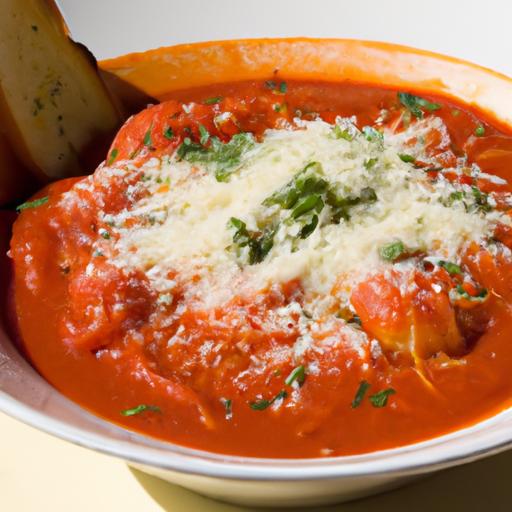


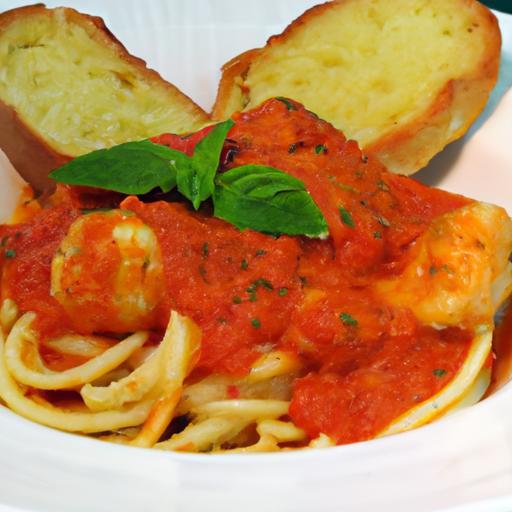
There’s a magic in a simple pot of marinara sauce – a humble blend of ripe tomatoes,fragrant garlic,and fresh herbs that transforms everyday meals into comforting culinary classics. Whether you’re twirling spaghetti, layering lasagna, or dipping crusty bread, mastering marinara is your golden ticket to a kitchen staple that never disappoints. In this guide,we’ll dive deep into the art and science of creating the perfect basic marinara sauce,unlocking tips,tricks,and flavor secrets to help you stir up a timeless favorite with confidence and flair. Get ready to elevate your cooking, one luscious spoonful at a time.
Choosing the Perfect Tomatoes for a Rich and Flavorful Marinara
Mastering Marinara starts with selecting the best possible tomatoes-the heart and soul of this vibrant sauce. For a sauce bursting with rich, balanced flavor and natural sweetness, opt for San Marzano tomatoes, renowned for their low acidity and thin skin that yields a smooth texture when cooked down. If these aren’t available,look for Roma plum tomatoes,which provide meaty flesh and fewer seeds. Quality canned tomatoes can also shine here-choose whole peeled canned tomatoes from trusted brands with no added preservatives for consistent results year-round.
Remember,fresh garden tomatoes at peak ripeness can elevate the flavor brilliantly,but they require a bit more processing. Lightly blanch and skin them to avoid graininess, and always remove excess seeds for the ideal sauce texture.
essential Herbs and Spices That Elevate Your Sauce to Restaurant Quality
Beyond tomatoes, mastering marinara demands an aromatic herbal symphony. Classic fresh basil adds sweet, peppery notes that blossom in the heat, while fresh oregano offers that earthy, slightly bitter undertone that defines Italian flavor. Garlic-minced and sautéed gently-lends depth and warmth, intensified by a pinch of crushed red pepper flakes for subtle heat. Ground black pepper and fine sea salt are essential to balance and bring harmony to these components.
For a restaurant-quality edge, introduce a small sprig of fresh thyme or a bay leaf during simmering to layer complexity. Turning to dried herbs is fine when fresh isn’t available, but add them earlier in cooking to hydrate and release their full aromas.
Step by Step Techniques to Achieve the Ideal Marinara Texture
- Start by sautéing finely chopped garlic in extra-virgin olive oil over medium heat. Stir frequently until fragrant and lightly golden, about 2-3 minutes. Avoid browning as it can cause bitterness.
- Add crushed tomatoes fresh or canned, along with a pinch of salt to coax out the natural sweetness.
- Simmer uncovered on low to medium-low heat, stirring occasionally to prevent sticking. This gentle reduction concentrates flavors and thickens the sauce. Aim for about 30-40 minutes until it reaches a luscious, spoon-coating consistency.
- Adjust texture by lightly mashing tomatoes with the back of a wooden spoon for a rustic, chunky feel or blending partially for a smoother result. Add a splash of water or vegetable broth if it gets too thick.
- Stir in fresh herbs like chopped basil and oregano near the end of cooking to preserve their radiant notes.
- Finish with a subtle drizzle of cold-pressed olive oil for a glossy sheen and silky mouthfeel before serving.
Tips and Tricks for Storing and Reheating Marinara Without Losing Freshness
After mastering marinara’s vibrant taste and texture,keeping it fresh and flavorful is easy with the right methods. Cool the sauce to room temperature before transferring it to an airtight container.Store it in the refrigerator for up to 5 days, where flavors will deepen and harmonize beautifully.
For longer storage, freeze marinara in portion-sized freezer-safe containers or freezer bags. Leave some headroom for expansion. Thaw slowly overnight in the refrigerator to preserve texture.
When reheating, warm the sauce gently over low heat, stirring frequently. Avoid microwaving at high power,which can break down the texture and mute fresh flavors.Add a splash of water or olive oil if the sauce seems dry.
Reheating with a fresh sprinkle of chopped basil or a little grated good-quality Parmesan (optional) will revive its bright, enticing aroma, making your marinara taste freshly made every time.

Prep and Cook Time
- Prep Time: 15 minutes
- Cook Time: 40 minutes
- Total Time: 55 minutes
Yield
Yields approximately 4 cups of sauce, ideal for 4 servings.
Difficulty Level
Easy – perfect for both beginners and seasoned cooks eager to refine their foundational sauce skills.
Ingredients
- 2 tbsp extra-virgin olive oil
- 4 cloves garlic, minced
- 28 oz can San Marzano tomatoes (or equivalent fresh peeled plum tomatoes)
- 1 tsp fine sea salt
- 1/2 tsp crushed red pepper flakes (optional, for mild heat)
- 1 tsp dried oregano or 1 tbsp fresh, finely chopped
- 6 fresh basil leaves, torn or chiffonade
- 1 small sprig fresh thyme or 1 bay leaf (optional)
- Freshly ground black pepper, to taste
Instructions
- Heat the olive oil in a large skillet or saucepan over medium heat.Add the minced garlic and sauté until fragrant and lightly golden, about 2-3 minutes.
- Carefully add the canned tomatoes with their juice. Break them up with a wooden spoon to release juices.
- Sprinkle in the salt, crushed red pepper flakes, and dried oregano.Stir well and bring to a gentle simmer.
- add the thyme sprig or bay leaf if using, then reduce heat to low, letting the sauce simmer uncovered for 30-40 minutes.Stir occasionally to prevent sticking and encourage even thickening.
- Adjust texture by lightly mashing tomatoes for a rustic feel or partially blending with an immersion blender until desired consistency is achieved.
- Discard the thyme or bay leaf. Stir in fresh basil leaves and season with black pepper to taste.
- Finish by drizzling a teaspoon of olive oil and give your sauce one last gentle stir before serving.
Tips for Success
- Use fresh herbs whenever possible, adding them near the end of cooking to maximize freshness and color.
- Balance acidity with a pinch of baking soda if your sauce tastes too tart. Add sparingly and stir well.
- For a smoother sauce,strain through a fine sieve after cooking-but keep it rustic for texture lovers.
- If using fresh tomatoes,blanch and peel before cooking and remove excess seeds to avoid bitterness and watery sauce.
- Make this sauce ahead and store in the fridge-flavors develop even more beautifully after a day.
Serving Suggestions
This marinara sauce shines as a classic accompaniment to freshly cooked pasta tossed with grated Parmesan and a drizzle of extra-virgin olive oil. It’s also an excellent base for vegetable bakes, eggplant parmigiana, or as a vibrant dipping sauce for garlic bread.
Garnish with fresh basil, a sprinkle of toasted pine nuts for crunch, or a shave of aged Pecorino Romano to impress your guests visually and in flavor.
| Nutritional Info (per 1/2 cup) | Calories | Protein | Carbs | Fat |
|---|---|---|---|---|
| Mastering Marinara sauce | 70 | 2 g | 10 g | 3 g |
For a deeper dive into Italian sauce techniques,check out our Italian Pasta Sauce Basics. Additionally, learn more about the rich history and farming of San Marzano tomatoes on the Fondazione San marzano site.
Q&A
Q&A: Mastering Marinara – Your Essential Basic Sauce Guide
Q1: What exactly is marinara sauce, and why is it so popular?
A1: Marinara sauce is a classic Italian tomato-based sauce celebrated for its simplicity and versatility. Made primarily with ripe tomatoes, garlic, olive oil, and fresh herbs, it’s a bright, flavorful foundation that complements everything from pasta and vegetables to seafood and meat substitutes. its popularity comes from being easy to prepare, endlessly adaptable, and deliciously fresh-tasting.
Q2: What are the key ingredients that make a marinara sauce authentic?
A2: The magic of a true marinara lies in its straightforward, high-quality ingredients. Start with ripe, juicy tomatoes-fresh or canned san Marzano tomatoes work wonders. Add fragrant garlic cloves sautéed gently in good olive oil, a sprinkle of salt, a pinch of crushed red pepper for subtle heat, and fresh basil or oregano leaves to finish. These simple elements create a sauce that’s bright, aromatic, and endlessly comforting.Q3: How long should marinara be cooked to reach perfection?
A3: Marinara is all about balance-cook it too briefly, and it might taste raw; too long, and it loses its fresh zing.A gentle simmer for 20 to 30 minutes usually does the trick. This allows the tomatoes to break down nicely and the flavors to meld, resulting in a vibrant, luscious sauce without heavy richness.
Q4: Can you share some tips for making marinara sauce extra flavorful?
A4: Absolutely! start by sautéing garlic slowly in olive oil to coax out its sweetness without burning. Use a pinch of sugar if your tomatoes are too acidic-just enough to balance the flavor. Fresh herbs added at the end, like torn basil leaves, preserve their fragrance and brightness. For a slightly smoky layer, try a dash of smoked paprika or a handful of chopped olives.
Q5: What are some creative ways to use marinara beyond pasta?
A5: Marinara is a true culinary chameleon! Use it as a base for veggie-packed shakshuka,drizzle it over roasted root vegetables,or spread it on toasted bread with melted cheese for a quick bruschetta. It’s also perfect as a dipping sauce for crispy zucchini fries or as a topping for homemade plant-based meatballs.
Q6: How can I adapt marinara sauce for different dietary preferences?
A6: Marinara naturally fits into many diets since it’s plant-based and free of dairy or gluten by nature. Feel free to add extra veggies like bell peppers, mushrooms, or spinach for added nutrition. For a smoky twist,incorporate roasted red peppers or sun-dried tomatoes. Keep it low-sodium by controlling the salt yourself, and avoid any pre-made tomato products with additives for the purest taste.
Q7: Is it better to use fresh tomatoes or canned for marinara?
A7: Both have their merits! Fresh tomatoes offer the freshest flavor during peak season, delivering a bright and lively sauce. However, canned San Marzano tomatoes provide consistent taste and texture year-round, often packed at peak ripeness and slightly sweeter. For convenience and flavor reliability, canned tomatoes are a great choice in most kitchens.
Q8: How should I store leftover marinara sauce?
A8: Let the sauce cool completely before transferring it to an airtight container. Stored in the fridge, it will keep beautifully for 4 to 5 days.For longer shelf life, freeze marinara in portioned containers or ice cube trays-perfect for quick future meals. When reheating,add a splash of water or broth to refresh its luscious texture.
Q9: Can I make marinara sauce ahead of time for meal prep?
A9: Definitely! Marinara actually tastes better the next day as the flavors deepen and mingle. Make a big batch on the weekend, then use it throughout the week to save time. It’s perfect for quick dinners, from simple spaghetti to layered baked dishes, and even as a dipping sauce for snacks.
Q10: What common mistakes should I avoid when making marinara?
A10: Avoid cooking garlic on too high heat-it burns quickly and turns bitter.Don’t rush the simmer; slow and steady melds flavors best. Steer clear of over-seasoning at the start; add salt gradually to taste. Lastly,resist the urge to puree the sauce completely if you want that rustic,chunky texture that’s part of marinara’s charm.
Embrace the art of marinara, and you’ll have a go-to sauce that turns simple ingredients into something spectacular every time!
In Summary
With your newfound mastery of marinara, the heart of countless Italian dishes, you’re now equipped to transform simple tomatoes into a sauce that sings with flavor and tradition. Whether spooned over pasta, layered in lasagna, or used as a dipping companion, this essential sauce is your gateway to endless culinary creativity. Remember, the beauty of marinara lies not just in its ingredients, but in the passion and patience you bring to the pot. So, embrace the simmer, trust your senses, and let your kitchen become a canvas where every tomato tells a delicious story. Happy saucing!