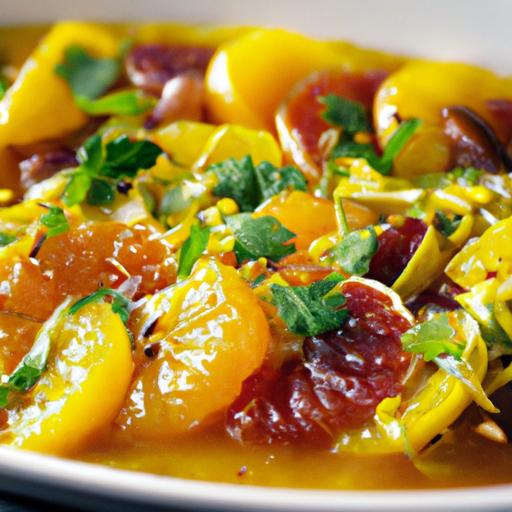


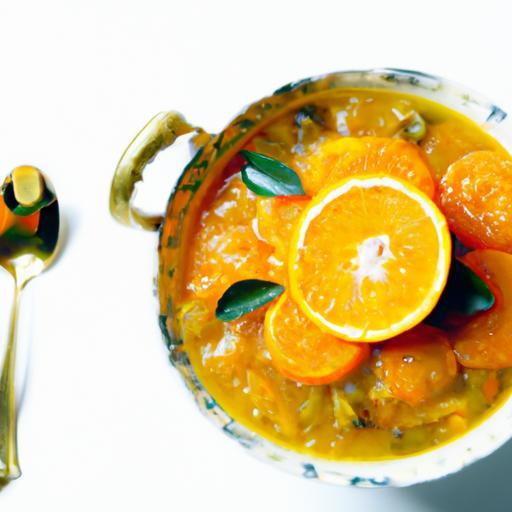
Nestled within the vibrant tapestry of moroccan cuisine lies a sweet treasure that delights both the eyes and the palate: Kaab El Ghazal with Orange Zest. Often translated as “Gazelle Horns,” these delicate, crescent-shaped pastries are a testament to the artistry and rich heritage of Morocco’s culinary traditions. Infused with the luminous, invigorating essence of orange zest, this citrusy twist elevates the classic almond-filled treat, offering a refreshing burst of flavor that dances between sweet and tangy. Join us as we explore the origins, ingredients, and the enchanting blend of textures and aromas that make Kaab El Ghazal with Orange Zest a beloved delight – a true celebration of Morocco’s zestful spirit and timeless sweetness.
Understanding Kaab El Ghazal Origins and Cultural Significance
Kaab El Ghazal with Orange Zest is more than just a Moroccan pastry; it’s a rich cultural emblem that carries centuries of tradition within its almond-filled crescent shape. Originating from the vibrant cities of Morocco, notably fez and Marrakech, these “Gazelle Horns” celebrate the art of delicate pastry making infused with fragrant, local ingredients. Their name poetically refers to the grace of a gazelle’s horn, mirrored in the pastry’s elegant crescent form. Historically, Kaab El Ghazal has graced tables during joyous celebrations and family gatherings, symbolizing hospitality and culinary artistry passed down through generations.
What sets this version apart is the infusion of fresh orange zest, which awakens the senses with a bright citrus twist, bridging the warm notes of almond and cinnamon with the zesty vibrancy embracing Moroccan sunshine. Preparing this treat invites you to honor an artisanal process while enjoying a burst of aromatic freshness unmatched by ordinary sweets.
The Art of Infusing Orange Zest for an Authentic Citrus Twist
The magic of Kaab El Ghazal with Orange Zest lies in harmonizing traditional elements with the citrus glow of orange zest, which enhances the almond filling’s texture and aroma. To capture this authenticity, always use freshly grated orange zest from unwaxed, organic oranges. The zest oils must be gently folded into the almond and sugar mixture to release an intoxicating fragrance without overpowering the pastry’s delicate sweetness.
Pro tip: Combine the orange zest with a pinch of warm cinnamon and a few drops of orange blossom water to heighten the Moroccan essence. By integrating the zest at the right moment-just before assembling the pastries-you ensure every bite envelops the palate in bright, citrus-infused warmth.
Step-by-Step Guide to Perfecting Your kaab El Ghazal Dough
Crafting the dough is an art form that balances subtle sweetness with tender flakiness. Start with sifted all-purpose flour to guarantee a smooth base. Gently rub in unsalted butter until the mixture resembles coarse sand, ensuring the butter stays cold to achieve a light texture. Add a touch of orange blossom water and cold water sparingly-too much and the dough loses its delicate crumb, too little and it becomes tough.
Chilling the dough for at least 30 minutes is crucial,as it relaxes the gluten and makes the dough easier to roll thinly without cracking. Roll the dough into thin strips-about 2 inches wide-ready to be enveloped around the aromatic almond filling.
Prep and Cook Time
- Preparation: 40 minutes (includes chilling)
- Cooking: 15 minutes
- Total Time: 55 minutes
Yield
About 24 crescent-shaped pastries, depending on size
Difficulty Level
Medium – Requires patience and attention to detail with dough handling and shaping
Ingredients
- For the Dough:
- 2 cups all-purpose flour, sifted
- 1/2 cup unsalted butter, cold and cubed
- 2 tbsp granulated sugar
- 1 tbsp orange blossom water
- 4-6 tbsp ice-cold water
- Pinch of salt
- For the Filling:
- 1 1/4 cups blanched almonds, finely ground
- 3/4 cup powdered sugar
- 1 tbsp freshly grated orange zest
- 1 tsp ground cinnamon
- 1 tbsp orange blossom water
- 1 tsp vegetable oil (to bind)
- For Garnish:
- Powdered sugar, for dusting
Instructions
- Prepare the Dough: In a large bowl, combine the sifted flour, sugar, and salt. Add the cold, cubed butter. Using your fingertips or a pastry cutter, rub the butter into the flour until the mixture resembles coarse breadcrumbs.
- Add Orange Blossom Water and Water: Stir in orange blossom water. Gradually add ice-cold water, one tablespoon at a time, mixing gently until the dough just comes together. Avoid overworking. Form into a ball, wrap in plastic, and refrigerate for 30 minutes.
- Make the Filling: In a mixing bowl,combine the ground almonds,powdered sugar,orange zest,cinnamon,orange blossom water,and vegetable oil. Mix until a smooth, slightly sticky paste forms.
- Shape the Dough: On a lightly floured surface, roll out the chilled dough into a thin rectangle, about 1/8 inch thick. Cut strips approximately 2 inches wide and 8 inches long.
- Fill and Roll: Place a teaspoon of almond filling along one edge of each strip. Fold the dough over to encase the filling, gently pressing the edges to seal. Shape into crescents by bending gently.
- Bake: preheat the oven to 350°F (175°C). Place pastries on a parchment-lined baking sheet. Bake for 12-15 minutes until lightly golden around the edges but not browned.
- Cool and Garnish: Allow pastries to cool entirely before dusting with powdered sugar for an elegant finish.
Tips for Serving and Pairing This Moroccan delight
Serve your Kaab El Ghazal with Orange Zest alongside a traditional Moroccan mint tea, freshly brewed with bright green mint leaves and a spoonful of honey. The fresh citrus notes from the orange zest complement the herbal tones beautifully, creating a harmonious sensory experience.
Garnish with finely chopped pistachios or a light drizzle of orange blossom syrup for added texture and sparkle. For an inviting presentation, arrange the pastries on a rustic ceramic platter lined with a vibrant Moroccan textile, enhancing their artisanal charm and warm colors.
Chef’s Notes
- For a nuttier filling variation, substitute half the almonds with finely chopped walnuts while maintaining the texture.
- Ensure the dough remains chilled during shaping to prevent it from becoming too sticky or arduous to handle.
- To prepare ahead, freeze the shaped but unbaked pastries on a tray.Once frozen solid,transfer to an airtight container; bake directly from frozen,adding a few extra minutes to the baking time.
- If orange blossom water is unavailable, substitute with rose water for a floral but different aromatic profile.
| Nutritional Facts (per piece) | Amount |
|---|---|
| Calories | 120 kcal |
| Protein | 3 g |
| Carbohydrates | 14 g |
| Fat | 7 g |
Discover how to perfect Moroccan Mint Tea to accompany your pastries perfectly. For an in-depth dive into traditional almond pastries worldwide, explore this Britannica article on Moroccan cuisine.

Q&A
Q&A: Exploring Kaab El Ghazal with Orange Zest – A Citrusy Moroccan Delight
Q1: What is kaab El Ghazal?
A: Kaab El Ghazal, which means “gazelle ankles” in Arabic, is a traditional Moroccan pastry renowned for its delicate, crescent-shaped form. These buttery, flaky cookies are typically filled with a fragrant almond paste, making them a beloved sweet treat during celebrations and daily tea time alike.
Q2: How does the addition of orange zest transform this classic pastry?
A: Incorporating fresh orange zest elevates the pastry by introducing bright, citrusy notes that beautifully complement the rich almond filling. The zest infuses the dough and filling with aromatic oils,adding a refreshing zing that balances the sweetness and enriches the overall flavor profile with a distinctly moroccan twist.
Q3: What are the main ingredients used in Kaab El Ghazal with Orange Zest?
A: The key ingredients include soft flour, butter, powdered sugar, orange zest, almond meal, honey, and fragrant spices like cinnamon. The combination of buttery dough and almond filling infused with citrus notes creates the iconic texture and taste that define Kaab El Ghazal.
Q4: Is making Kaab El Ghazal with orange zest a difficult process?
A: While the technique demands some patience and attention to detail, making Kaab el Ghazal is an enjoyable and rewarding experience. Rolling out the delicate dough thinly, preparing the aromatic almond filling, and carefully shaping the pastries requires a gentle hand but yields impressive results that capture Moroccan culinary artistry.
Q5: Can Kaab El Ghazal with orange zest be served on special occasions?
A: Absolutely! These pastries are often prepared for festive occasions such as Eid, weddings, and family gatherings. Their elegant shape and citrus-infused aroma make them perfect for sharing with loved ones over traditional mint tea, marking moments of joy and hospitality.
Q6: Are there any tips for storing Kaab El Ghazal to maintain their freshness?
A: To preserve their crispness, store Kaab El Ghazal in an airtight container at room temperature. They usually keep well for up to a week. If you prefer a slightly softer texture, a brief warm-up before serving will gently revive their delightful softness and fragrance.
Q7: How does Kaab El Ghazal reflect Moroccan culture?
A: Beyond its exquisite taste, Kaab El Ghazal embodies Morocco’s rich culinary heritage and the importance of sharing sweetness as a symbol of hospitality. The infusion of orange zest nods to Morocco’s abundant citrus groves, blending local ingredients with time-honored techniques to create a pastry that tells a story with every bite.
Q8: Can the orange zest in Kaab El Ghazal be substituted with other citrus flavors?
A: While orange zest is traditional and offers a classic fragrant zestiness, you can thoughtfully experiment with lemon or mandarin zest to add subtle variations. Each citrus imparts its own character, but be mindful to maintain balance so the nutty almond filling continues to shine.
Q9: What beverages pair well with Kaab El Ghazal with orange zest?
A: The ideal companion is Moroccan mint tea, whose refreshing and slightly sweet profile complements the pastry’s richness and citrus undertones. For a caffeine-free option, a warm chamomile or orange blossom tea can also enhance the experience with floral and mellow notes.
Q10: Where can one learn to make Kaab el Ghazal with orange zest authentically?
A: Many Moroccan cooking classes, both online and in major cities with vibrant Moroccan communities, offer authentic lessons. additionally, exploring Moroccan cookbooks or food blogs dedicated to North African cuisine can provide detailed guidance and insights into perfecting this citrusy delight.
This Q&A aims to inspire readers to discover and recreate the zestful charm of Kaab el Ghazal with orange zest, blending tradition with a bright, fragrant twist.
in Summary
Whether enjoyed as a festive treat during special occasions or savored as a fragrant everyday indulgence, Kaab El Ghazal with Orange Zest embodies the vibrant spirit of Moroccan cuisine. This delicate pastry, infused with the bright aroma of citrus and the warm embrace of traditional spices, offers more than just a sweet bite-it tells a story of heritage, craftsmanship, and the joyful harmony of flavors. Next time you crave something both familiar and exotic, let this citrusy delight transport you to the bustling souks and sunlit courtyards of Morocco, one bite at a time.