

Imagine the vibrant aroma of fresh herbs mingling with fiery chilies,the zesty punch of kaffir lime leaves,and the earthy warmth of cumin and coriander dancing together in perfect harmony. This is the essence of authentic Thai green curry paste-a cornerstone of Thailand’s rich culinary heritage that transforms any dish into a symphony of flavor. While store-bought versions offer convenience, nothing compares to the depth and brightness of curry paste made from scratch. In this article, we’ll unlock the secrets to crafting your own homemade Thai green curry paste, guiding you through every fragrant step to bring the true taste of Thailand right into your kitchen. Prepare to elevate your cooking and awaken your senses with a blend that’s as fresh, vibrant, and bold as the culture it represents.
Unlock Flavor: How to Make Authentic Thai Green Curry Paste homemade
Unlock Flavor by crafting your own vibrant Thai green curry paste, a cornerstone of thailand’s celebrated cuisine. Freshness and tradition come alive in this recipe, where fragrant herbs, fiery chilies, and time-honored grinding techniques unite into a paste bursting with depth and character. Each step invites you to engage intimately with ingredients and ancient methods, ensuring no shortcuts on quality or authenticity.
Prep and Cook Time
- Preparation: 25 minutes
- Grinding and mixing: 20 minutes
- Total time: 45 minutes
Yield
This recipe yields approximately 1 cup of green curry paste, sufficient for a 4-6 servings Thai green curry.
Difficulty Level
medium: Requires dedicated preparation and conventional grinding skills but yields unsurpassed flavor.
Ingredients
- 10 fresh green Thai bird’s eye chilies, deseeded for less heat optionally
- 3 shallots, sliced thinly
- 4 cloves garlic, peeled
- 1 stalk fresh lemongrass, white part only, finely chopped
- 1-inch piece galangal, peeled and thinly sliced
- 1 kaffir lime zest, finely grated (avoid bitter white pith)
- 1 teaspoon coriander seeds
- 1 teaspoon cumin seeds
- 1/2 teaspoon white peppercorns
- 1/4 cup fresh cilantro roots, cleaned thoroughly
- 2 tablespoons shrimp paste (optional for vegan: substitute with fermented soybean paste)
- 1 teaspoon salt
Instructions
- Toast the spices: In a dry skillet over medium heat, toast coriander seeds, cumin seeds, and white peppercorns until fragrant, about 2 minutes. Stir continuously to avoid burning. Transfer to a mortar and pestle and pound until finely ground.
- Prepare fresh herbs: Peel and slice shallots and garlic finely. Trim lemongrass to the tender white section and chop. Peel galangal and slice thinly. Grate kaffir lime zest carefully.
- Crush fresh aromatics: Using a sturdy mortar and pestle, pound the chopped lemongrass, galangal, shallots, garlic, and green chilies together. Work rhythmically, pressing and twisting the pestle to break down the fibers, creating a vibrant green paste.
- Add cilantro roots and salt: Incorporate the cilantro roots and salt into the paste and continue pounding until fully integrated and smooth in texture.This step brings earthiness and depth essential for balance.
- Incorporate ground spices: Mix in the toasted spice powder, blending thoroughly for a harmonious blend of warmth and heat.
- Finish with shrimp paste: Stir in shrimp paste, using the pestle or a spoon. It’s the umami anchor that enriches the paste profoundly. Vegan cooks can swap with fermented soybean paste but brown shrimp paste remains traditional.
- Rest and store: Transfer the paste to an airtight container and refrigerate. The flavors intensify beautifully after 24 hours and continue evolving over time.
Choosing the Freshest Ingredients for Vibrant Thai Green Curry Paste
Unlock Flavor starts with your ingredient choices. Freshness is paramount: select chilies that shine with glossy skin and firm stems, fragrant lemongrass with pale white bottoms free of dryness, and plump shallots and garlic bulbs with taut skins. galangal should feel firm, not shriveled, carrying a faint citrusy aroma. Kaffir lime zest, harvested carefully without any white pith, lends a subtle floral lift. When possible,visit Asian markets early in the day to secure peak-quality produce – it’s this freshness that paints your curry paste with vivid color and intoxicating fragrance.
Mastering the Traditional Grinding Techniques for Perfect Texture
The heart of unlocking flavor lies in the traditional mortar and pestle method. Unlike food processors, the manual grinding method releases essential oils and textures flawlessly, creating a paste that’s both rustic and refined. Patience is key – crush the fibers slowly and methodically, turning the pestle in circular motions, forcing the ingredients to break down naturally. This technique produces a beautifully homogeneous texture with flecks of vibrant green herbs still visible, inviting your senses to savor every nuance before cooking.
Balancing Flavors with Aromatic Herbs and Spices
each element in this curry paste contributes to a multi-layered balance: fiery chilies offer heat, lemongrass and kaffir lime zest impart fragrant brightness, while galangal injects a peppery, citrusy kick. Toasted coriander and cumin seeds contribute warmth and earthiness. Salt enhances these flavors, and shrimp paste (or its vegan choice) dissolves into a meaty, umami richness. Combining these ingredients thoughtfully and grinding them thoroughly ensures your curry paste is an orchestra of flavors, ready to unlock flavor distinctly in every bite of your final dish.
Tips for Storing and Enhancing Your Homemade Curry Paste Over Time
Store your homemade curry paste in a clean, airtight jar, pressing down to remove air pockets. Refrigerated, it will keep for up to 2 weeks, deepening in flavor and complexity daily.For longer preservation, freeze in ice cube trays wrapped tightly in plastic; simply thaw cubes as needed. Occasionally swipe a little oil on the surface to prevent oxidation and maintain vibrant color. Consider stirring in a fresh squeeze of kaffir lime juice or a pinch more fresh herbs before use to brighten the flavor if the paste has aged for more than a week.
chef’s Notes
- For milder paste, seed the chilies before grinding.
- Swap shrimp paste with miso or fermented soybean paste for vegetarian options, but expect a subtle flavor shift.
- if lacking a mortar and pestle, use a blender on low speed, pulsing carefully to avoid over-processing.
- Make ahead in small batches to enjoy ultimate freshness or prepare large quantities for freezer storage.
- When zesting kaffir lime, avoid the bitter white pith for a cleaner, aromatic lift.
Serving Suggestions
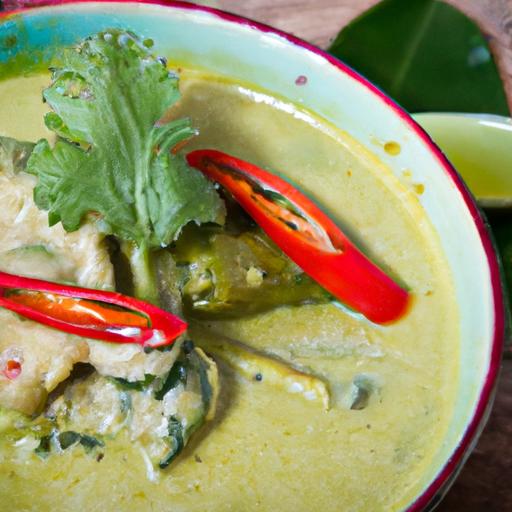
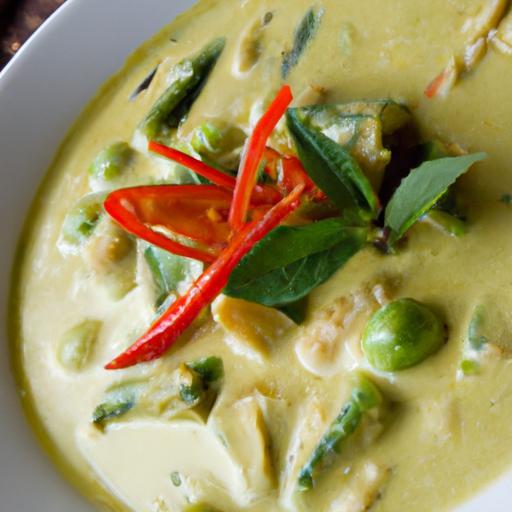
Unlock Flavor by incorporating this paste into creamy coconut milk, simmered with your choice of tofu, chicken breast, or seafood. Garnish your dish with fresh Thai basil, finely sliced red chilies, and a wedge of kaffir lime for an elevated presentation that also enhances aroma. Serve alongside steamed jasmine rice or light sticky rice for perfect contrast. A sprinkle of toasted coconut or crushed peanuts can add delightful texture and nutty complexity.

| Nutrient | Per 2 Tbsp |
|---|---|
| Calories | 70 kcal |
| Protein | 3 g |
| Carbohydrates | 8 g |
| Fat | 2 g |
Explore more authentic Thai curry recipes to complement your green curry paste. For detailed spice profiles and health benefits, visit Encyclopedia Britannica’s galangal overview.
Q&A
Q&A: Unlock Flavor – how to Make authentic Thai Green Curry Paste Homemade
Q1: What makes green curry paste different from other Thai curry pastes?
A1: Green curry paste stands out for its vibrant color and fresh,herbaceous flavor. It’s primarily made with green chilies, which provide a medium heat level paired with fragrant ingredients like kaffir lime leaves, lemongrass, and fresh cilantro roots. Unlike red or yellow curry pastes, green curry paste balances spiciness with a citrusy brightness that’s distinctly refreshing and enticing.
Q2: Can I make green curry paste without a mortar and pestle?
A2: Absolutely! While a mortar and pestle helps release essential oils and create a smoother paste, a high-powered blender or food processor works well too. Just be sure to finely chop your herbs and soak dried ingredients like shrimp paste beforehand to soften them. Adding a splash of oil or water gradually helps achieve the right consistency.
Q3: What are the key fresh herbs and spices to gather for an authentic green curry paste?
A3: Authentic green curry paste calls for fresh green Thai chilies for heat,galangal for its earthy zing,lemongrass for citrus notes,kaffir lime zest and leaves for fragrance,garlic and shallots for savory depth,coriander (cilantro) roots for an earthy undertone,and roasted coriander and cumin seeds for warmth. Shrimp paste rounds it out with a savory umami punch.Q4: Is shrimp paste essential, and is there a vegetarian substitute?
A4: Shrimp paste adds a signature umami depth, anchoring the paste’s flavor.For vegetarian or shrimp-free versions,try fermented soybean paste (miso) or a touch of seaweed flakes that provide a smoky,savory background without overpowering the fresh herbs. These swaps will shift the flavor slightly but maintain richness.
Q5: How long can I store homemade green curry paste, and what’s the best storage method?
A5: Homemade green curry paste keeps beautifully in the refrigerator for up to two weeks when sealed tightly in an airtight container. For longer storage, freeze it in small portions-ice cube trays work perfectly-then transfer to freezer bags. This way, you can unlock fresh curry flavor for months without thawing the entire batch.
Q6: can I adjust the heat level in green curry paste? How?
A6: Certainly! The heat level primarily comes from the type and amount of green chilies used.For milder paste, remove the seeds and membranes before blending or reduce the quantity of chilies. For a spicier kick, include more green chilies or add a sprinkle of fresh bird’s eye chilies. Balancing heat with fresh lime zest and herbs keeps the paste vibrant and well-rounded.
Q7: What dishes shine best with homemade Thai green curry paste?
A7: This vibrant paste is the heart of classic Thai green curry with chicken, fish, or tofu simmered in coconut milk. It’s also fantastic as a marinade for grilled vegetables or seafood,stirred into stir-fries for an aromatic punch,or even dolloped into noodle soups to enliven the broth. The versatility lies in its bold yet balanced profile.
Q8: Any tips to elevate the flavor of green curry paste beyond the basic recipe?
A8: Roasting whole spices like coriander seeds and cumin before grinding intensifies the flavor.Using fresh, high-quality herbs and zesting kaffir lime leaves rather than chopping them brings a brighter aroma. Adding freshly grated galangal and bruised lemongrass stalks ensures maximum fragrance. Lastly, a touch of palm sugar can help balance acidity and heat, rounding out the paste beautifully.
Q9: How can I make sure my green curry paste tastes truly authentic?
A9: Authenticity hinges on balance: fresh herbs, the correct ratio of heat to aromatic citrus, and umami depth. Sourcing Thai green chilies and kaffir lime products is key. Freshness matters immensely-dried or stale ingredients dull the vibrancy. Tasting as you go and adjusting salt, sweet, and heat creates a paste that sings with genuine Thai character.
Q10: Can I substitute kaffir lime leaves if I can’t find them?
A10: Kaffir lime leaves have a uniquely luminous, citrusy aroma that’s hard to replicate.If unavailable, use a combination of lime zest and a small amount of lemon or regular lime leaves as a workaround. Adding a splash of fresh lime juice toward the end of cooking can boost the citrus note, but the flavor won’t be quite the same without the distinctive leaf oils.
Unlock the fragrant, fiery soul of Thai cuisine by mastering your own green curry paste-one fresh ingredient at a time!
Final Thoughts
Unlocking the vibrant, complex flavors of authentic Thai green curry paste at home is more than just a cooking project-it’s a delicious journey into the heart of Thailand’s culinary heritage. By blending fresh herbs, spices, and tradition with your own hands, you not only craft a paste bursting with aroma and depth but also gain a deeper thankfulness for the artistry behind every bowl of green curry. So next time you crave that perfect balance of heat, sweetness, and zest, remember: the freshest and most flavorful green curry paste is the one you make yourself. Happy cooking-and even happier tasting!