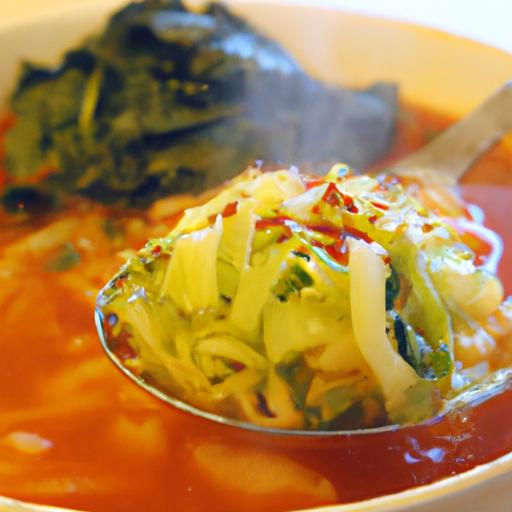


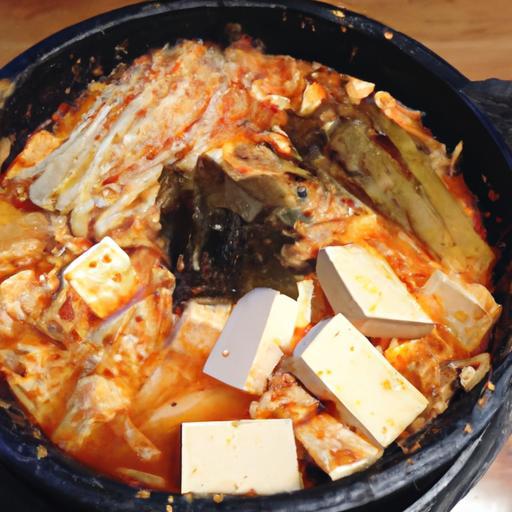
When it comes too comfort food that dazzles the senses and warms the soul, few dishes capture the vibrant spirit of Korean cuisine quite like kimchi tofu soup. This fiery, tangy stew is more than just a meal-it’s a festivity of bold flavors, ancient traditions, and the magical harmony of humble ingredients transformed through time-honored fermentation and slow simmering. In ”Savor the Spice: Exploring Korean Kimchi Tofu Soup Magic,” we dive deep into the heart of this iconic dish, uncovering the secrets behind its complex taste, its health-boosting powers, and the cultural tales simmering beneath every steaming bowl. Prepare to embark on a flavorful journey where spicy meets soothing, and every spoonful tells a story.
Savor the Spice: Exploring Korean Kimchi Tofu Soup Magic is more than just a meal-it’s an immersive journey into Korea’s vibrant culinary heritage. This iconic soup, known as kimchi jjigae, combines the fiery tang of fermented kimchi and silky tofu to create a soul-warming dish that delights all senses. My first encounter with this robust comfort food was during a chilly Seoul evening, where each spoonful awakened layers of umami and heat, leaving a lasting impression. Today, I invite you to unlock those bold flavors and craft your own bowl of authentic kimchi tofu soup with confidence and ease.
Prep and Cook Time
- Preparation: 15 minutes
- Cooking: 25 minutes
- Total: 40 minutes
Yield
Serves 4 comfortably
Difficulty Level
Easy to Medium – perfect for both novice cooks and seasoned enthusiasts eager to master Korean flavors
Ingredients
- 2 cups well-fermented kimchi, chopped (with some juice)
- 14 oz (400g) firm tofu, drained and cut into 1-inch cubes
- 4 cups vegetable broth (preferably homemade or low-sodium)
- 1 tbsp toasted sesame oil
- 1 tbsp gochugaru (Korean red chili flakes)
- 2 tsp Korean soy sauce (ganjang)
- 1 tbsp minced garlic
- 1 tsp grated ginger
- 1 medium onion, sliced thinly
- 2 green onions, sliced diagonally
- 1 tsp sugar (optional, balances acidity)
- 1 tbsp miso paste (optional, for depth)
Instructions
- Heat the toasted sesame oil in a large saucepan over medium heat. Add the sliced onion and sauté until translucent and slightly caramelized, about 5 minutes.
- Incorporate the minced garlic and grated ginger, stirring constantly for 30 seconds until fragrant to awaken the base flavors.
- Add the chopped kimchi with its juice to the pot.Sauté for about 4 minutes, stirring occasionally to intensify its flavor and soften the kimchi.
- Sprinkle in the gochugaru and stir well, allowing the chili flakes to bloom in the oil-a key step in unlocking that signature spicy aroma.
- Pour in the vegetable broth and bring the mixture to a gentle simmer. Stir in soy sauce,sugar,and miso paste if using. Let it simmer gently for 10 minutes to meld the flavors.
- Gently slide the tofu cubes into the broth. Cover partially and simmer for another 8 minutes, letting the tofu soak up the spicy, tangy broth while remaining intact.
- finish by stirring in most of the sliced green onions, saving a few for garnish. Taste and adjust seasoning-add more soy sauce or gochugaru if desired.
- Serve steaming hot, garnished with the remaining green onions and an optional drizzle of sesame oil for extra aroma.
Tips for Success
- Choose kimchi wisely: The heart of this dish lies in the kimchi’s quality and ripeness. Well-aged, tangy kimchi enhances depth and spice.
- Broth base: Vegetable broth adds a clean taste that lets the kimchi shine. For richer flavor, a dash of dried kelp broth (dashima) can elevate umami.
- Firm tofu is essential to prevent disintegration during cooking - handle gently when adding and stirring.
- Adjust spice level by modifying the quantity of gochugaru; for milder versions, reduce or omit.
- Make ahead: Soup taste deepens when rested overnight-cool, refrigerate, and reheat slowly.
- Substitutions: For soy sauce, use tamari for gluten-free; replace miso paste with a splash of tamari if unavailable.
- Vegan-friendly: This recipe is plant-based; avoid fish sauce which is traditional but non-vegan.
Pairing Perfection: Enhancing Your Kimchi Tofu Soup Experience
To truly savor the spice, accompany your kimchi tofu soup with warm bowls of steamed jasmine or short-grain rice-a classic pairing that balances fiery broth with mild fluffiness.Crisp, refreshing side dishes like Korean cucumber salad (oi muchim) or a simple sesame-seasoned spinach (sigeumchi namul) contrast perfectly with the soup’s bold heat. For drinks, a cold barley tea or lightly sweetened rice punch complements and cools the palate. garnish your bowl with a sprinkle of toasted sesame seeds or a fresh shiso leaf to add an herbaceous twist and Instagram-worthy finish.
| Nutrient | Per Serving |
|---|---|
| Calories | 180 kcal |
| Protein | 12 g |
| Carbohydrates | 10 g |
| Fat | 8 g |
For a deep dive into other Korean classics, check out our Ultimate Guide to Korean Banchan. to understand the health benefits of fermented kimchi further, visit this trusted NIH study.

Q&A
Q&A: Savor the Spice – Exploring korean Kimchi Tofu Soup Magic
Q1: What makes Korean kimchi tofu soup so special compared to other soups?
A1: Korean kimchi tofu soup, also known as kimchi jjigae, is a harmonious blend of bold, spicy, and tangy flavors that awaken the palate. Its magic lies in the combination of fermented kimchi’s deep umami and acidity paired with silky tofu’s creamy texture, creating a comforting yet vibrant bowl that warms both body and soul.
Q2: can you describe the key ingredients that bring kimchi tofu soup to life?
A2: At its core, this soup features aged kimchi, which provides a punch of fermented tartness and spice, soft tofu that balances heat with smoothness, and a savory broth often made from anchovy stock or vegetable base.garlic, gochugaru (Korean chili flakes), and scallions add layers of flavor and aroma, making each spoonful a multi-sensory experience.Q3: How does the fermentation of kimchi influence the soup’s flavor profile?
A3: Fermentation transforms kimchi into a flavor powerhouse, intensifying its sourness and depth while enhancing its natural umami.When simmered in soup, these complex notes dissolve into the broth, creating a rich, tangy foundation that differentiates kimchi tofu soup from other spicy soups.
Q4: What varieties of tofu work best in this soup, and why?
A4: Silken or soft tofu is ideal as it gently absorbs the spicy broth while maintaining a delicate, melt-in-your-mouth texture. The tofu’s subtle flavor acts as a canvas, balancing the soup’s fiery and fermented components without overpowering its intricate harmony.
Q5: Is kimchi tofu soup versatile for dietary preferences or occasions?
A5: Absolutely! This soup is naturally vegetarian if prepared with vegetable broth and can easily be made vegan. It’s also perfect for chilly evenings, quick weeknight meals, or as part of a Korean-inspired feast. Its comforting qualities and vibrant tastes suit both casual family dinners and more festive gatherings.Q6: Are ther any tips for achieving the perfect spicy kick without overwhelming heat?
A6: To master the spice balance, start with moderate amounts of gochugaru and adjust to taste. Using well-aged kimchi adds natural depth without sharpness, while including ingredients like mushrooms or zucchini can mellow out intense heat. Simmering the soup gently allows flavors to meld and mellow, resulting in a perfectly layered spice profile.Q7: How can one creatively enhance the traditional kimchi tofu soup without losing its essence?
A7: Adding ingredients like enoki mushrooms, fresh spinach, or a soft-boiled egg can introduce new textures and nutrition while respecting the soup’s roots. Experimenting with different types of seaweed or adding a touch of toasted sesame oil at the end imparts an aromatic finish that elevates the classic comfort dish.
Q8: What cultural importance does kimchi tofu soup hold in Korean cuisine?
A8: Kimchi tofu soup embodies Korean culinary beliefs – transforming simple, humble ingredients into something soulful and satisfying. It reflects the importance of fermentation in Korean food culture, communal dining, and the celebration of bold flavors that nourish both tradition and daily life. The soup, often shared among family and friends, is a symbol of warmth and togetherness.
Closing Remarks
as the steam rises from a hearty bowl of Korean kimchi tofu soup, it carries with it centuries of tradition, layers of bold flavors, and a comforting warmth that transcends mere sustenance. This vibrant dish invites us not only to savor its spicy, tangy, and silky notes but also to explore the rich cultural tapestry woven into every spoonful. Whether you’re a seasoned spice lover or a curious culinary adventurer, kimchi tofu soup offers a tasty gateway into Korea’s soul-stirring food heritage-proving that sometimes, the simplest ingredients create the most magical experiences. So next time you crave something both fiery and soothing, let this iconic soup remind you that food is more than fuel-it’s a story waiting to be savored.