

In the vibrant world of Mediterranean cuisine, few ingredients boast the rich, complex character of black olives. When transformed into a silky, savory spread, these humble fruits evolve into something truly stunning: black olive tapenade. This bold, flavorful delight has journeyed from ancient provençal tables to contemporary kitchens worldwide, captivating palates with its perfect balance of briny, tangy, and herbaceous notes. Join us as we unlock the secrets behind black olive tapenade’s irresistible charm, exploring its origins, versatile uses, and tips for crafting the ultimate rendition that will elevate any dish from ordinary to remarkable.
Unlocking the bold flavors of black olive tapenade offers a flavorful glimpse into Mediterranean culinary traditions where simplicity meets sophistication.This iconic Provençal spread has journeyed from humble village kitchens to cosmopolitan tables worldwide, celebrated for its vibrant depth and versatility. Crafted primarily from ripe black olives, capers, and fragrant herbs, tapenade enchants with a perfect harmony of salty, tangy, and umami notes that awaken the palate with every bite.
Prep and Cook Time
- Preparation: 10 minutes
- Cooking: 0 minutes (no cooking required)
- Total Time: 10 minutes
Yield
Approximately 1 cup (serves 6-8 as an appetizer or condiment)
Difficulty Level
Easy
Ingredients
- 1 cup pitted black olives (preferably Niçoise or Kalamata), rinsed and drained
- 2 tablespoons capers, rinsed
- 2 cloves garlic, peeled and minced
- 3 tablespoons extra-virgin olive oil
- 1 tablespoon fresh lemon juice
- 1 teaspoon finely chopped fresh thyme or rosemary
- 1/4 teaspoon freshly ground black pepper
- Optional: 1 teaspoon anchovy paste or 3 anchovy fillets for traditional depth (omit for vegetarian)
Instructions
- Prepare the olives: Ensure your black olives are pitted and rinsed well to remove excess brine, wich could dominate the flavor. Pat dry with a paper towel to prevent dilution of texture.
- pulse ingredients: In a food processor, combine olives, capers, garlic, and herbs. Pulse gently to start breaking down the ingredients - aim for small, irregular chunks rather than a smooth paste for a rustic mouthfeel.
- Incorporate olive oil and lemon juice: With the processor running in short bursts, drizzle in extra-virgin olive oil and fresh lemon juice until the tapenade reaches your desired consistency-spreadable but still textured.
- Season carefully: Add freshly ground black pepper. If using anchovy paste or fillets, blend them in at this stage for an authentic umami kick.
- Adjust and taste: Taste the tapenade and adjust lemon juice or olive oil as needed. It shoudl sing with balanced saltiness, brightness, and richness.
- Chill before serving: Transfer the tapenade to a bowl, cover tightly, and refrigerate for at least 30 minutes to allow flavors to meld.
Tips for Success: Mastering the Art of Perfectly Balanced Tapenade Flavors
- Choose ripe, high-quality olives: The cornerstone of this recipe lies in the olives.Niçoise olives provide a classic,briny sweetness while Kalamata offers a fruitier depth. Avoid canned olives which can be overly salty or mushy.
- Mind the texture: Resist over-processing; the charm of tapenade comes from its coarse, slightly chunky texture rather than a purée. This keeps it visually appealing and inviting to the palate.
- Customize acidity: Lemon juice is key to brightening the rich flavors. Start with less and add gradually, tasting as you go. Alternatively, a splash of sherry vinegar can introduce a subtle tang.
- Herbs matter: Fresh herbs such as thyme or rosemary infuse aromatic complexity-dried herbs tend to be too assertive or flat.
- Make ahead: Tapenade flavors deepen after resting. Prepare it a day in advance and store covered in the refrigerator.
Innovative Pairings and Serving Suggestions for Every Occasion
Black olive tapenade is a remarkably versatile spread that elevates simple bites into flavorful experiences:
- on toasted baguette slices or crostini with a light smear of fresh goat cheese-perfect for casual entertaining.
- As a sandwich spread inside grilled vegetable or chicken wraps for a punch of mediterranean flavor.
- Alongside fresh crudités like sliced cucumber, radishes, or roasted peppers to complement crisp textures.
- Drizzled over roasted potatoes or grilled vegetables as an invigorating condiment.
- Mixed into warm pasta or grain bowls for an instant flavor upgrade.
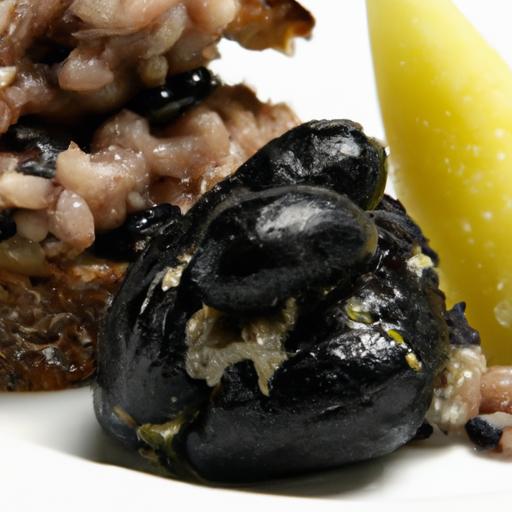
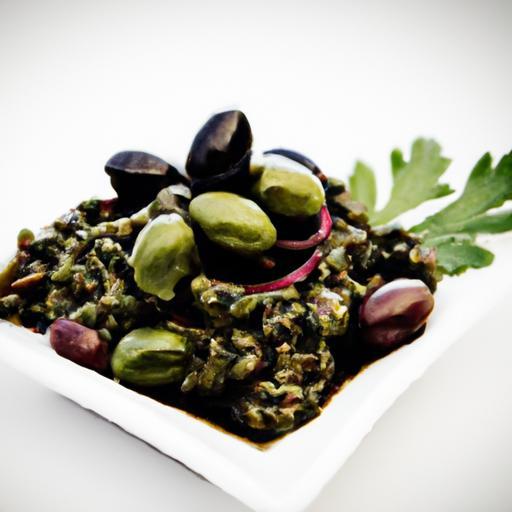
For an elegant finish, garnish with a few whole olives, a sprig of thyme, and a drizzle of extra-virgin olive oil. The glossy black sheen contrasted with vibrant green herbs creates a stunning presentation.
Tips for Selecting Quality Ingredients and Achieving Ideal Texture
- Olives: Opt for hand-packed olives with minimal preservatives. Look for firm flesh and avoid overly salty or seasoned varieties.
- Capers: Rinse them thoroughly to reduce bitterness and excess saltiness.
- Olive oil: Use a robust, fruity extra-virgin olive oil-this ingredient literally sets the flavor tone.
- Garlic: Fresh, not powdered, to maintain pungency and freshness.
- Texture control: To avoid over-blending, pulse the food processor in short bursts and scrape sides regularly. For a chunkier tapenade, use a sharp knife to hand-chop some ingredients before pulsing.
| Nutrient | Per 2 tbsp Serving |
|---|---|
| Calories | 70 kcal |
| Protein | 1 g |
| Carbohydrates | 1.5 g |
| fat | 7 g |
For those eager to deepen their Mediterranean repertoire, explore our Mediterranean-Inspired Dips Collection to discover more bold flavors and vibrant spreads that complement black olive tapenade beautifully.
additionally,for further culinary history and insights on olives,the Encyclopedia Britannica entry on Olive Trees offers an authoritative outlook on this treasured fruit’s journey across cultures.

Q&A
Q&A: Unlocking the Bold Flavors of Black Olive Tapenade Delight
Q1: What exactly is black olive tapenade, and why is it considered a flavor powerhouse?
A1: Black olive tapenade is a vibrant, savory spread made by blending ripe black olives with capers, garlic, olive oil, and frequently enough a hint of lemon juice or herbs. Its bold, umami-rich profile comes from the natural brininess of olives and capers, making it a dynamic addition to any dish.This mediterranean delight bursts with complexity-salty, tangy, and earthy-all in one luscious scoop.
Q2: How can I make my own black olive tapenade at home?
A2: Creating black olive tapenade is surprisingly simple! Start with pitted black olives,add a handful of capers,a clove or two of garlic,a drizzle of high-quality olive oil,a squeeze of fresh lemon juice,and a pinch of black pepper. pulse these ingredients in a food processor until you reach your desired texture-chunky or smooth. Feel free to sprinkle in fresh herbs like thyme or rosemary for an extra aromatic touch.
Q3: What are some creative ways to enjoy black olive tapenade?
A3: the versatility of black olive tapenade is astonishing! Spread it on crusty bread or crackers for an easy appetizer. dollop it on roasted vegetables to elevate their flavors, or use it as a zesty topping for grilled fish or roasted chicken breast. For a fresh twist, mix some tapenade into couscous or quinoa salads to add a punch of savory depth.
Q4: Can black olive tapenade be adapted for diffrent dietary preferences?
A4: absolutely! Black olive tapenade is naturally vegan, gluten-free, and packed with antioxidants. You can customize it easily by swapping out or adding ingredients-perhaps a touch of sun-dried tomatoes for sweetness or a sprinkle of chili flakes for heat. It’s a healthy, bold-flavored option that complements a variety of diets and culinary styles perfectly.
Q5: What makes black olives the ideal base for a tapenade?
A5: Black olives are prized for their rich, mellow flavor and oily texture, which create an indulgent mouthfeel in tapenade. Unlike their green counterparts, black olives tend to be softer and less pungent, offering a deep, slightly sweet earthiness that forms the perfect canvas for the briny tang of capers and the brightness of citrus notes. This balance is what unlocks the tapenade’s signature boldness.
Q6: How can I store black olive tapenade to maintain its flavor and freshness?
A6: Store your homemade tapenade in an airtight container in the refrigerator. Because it’s made with olive oil and fresh ingredients, it’s best consumed within a week for optimal flavor and freshness. Make sure to cover the surface with a thin layer of olive oil to prevent oxidation and keep that vibrant taste alive.Q7: Are there any tips for balancing the intense flavors in black olive tapenade?
A7: To tame the intensity, consider adding a bit of mild sweetness like finely chopped roasted red peppers or a touch of natural sweeteners like honey or agave. Adding fresh herbs like basil or parsley can also lighten the overall flavor, creating harmony between the salty, tangy, and earthy elements. The key is tasting as you go and adjusting the ingredients to suit your palate.
Q8: What cultural or ancient roots dose black olive tapenade have?
A8: Black olive tapenade hails from the sun-kissed shores of Provence in southern France, where olives and capers grow abundantly. Historically, it was a clever way to preserve and enjoy the fruit of the land’s bounty. Its name derives from the Provençal word “tapenas,” meaning capers, highlighting the integral role of this briny berry in the blend. Today, tapenade remains a treasured staple that celebrates Mediterranean culinary heritage with every bold, flavorful bite.
Wrapping Up
As you embark on your own culinary adventure with black olive tapenade, remember that this bold, briny delight is more than just a spread-it’s a gateway to a world of rich Mediterranean flavors and vibrant textures. Whether drizzled over crusty bread, stirred into pasta, or paired with fresh veggies, this versatile condiment promises to elevate your dishes with every bite. Unlock the full potential of black olive tapenade, and let your palate revel in its daring depth-as sometimes, the boldest flavors create the most unforgettable experiences.