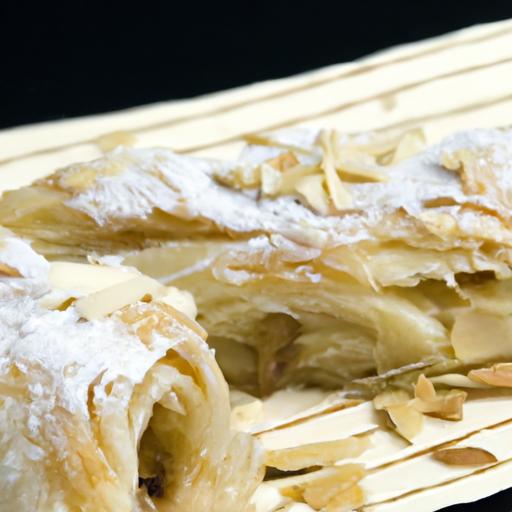


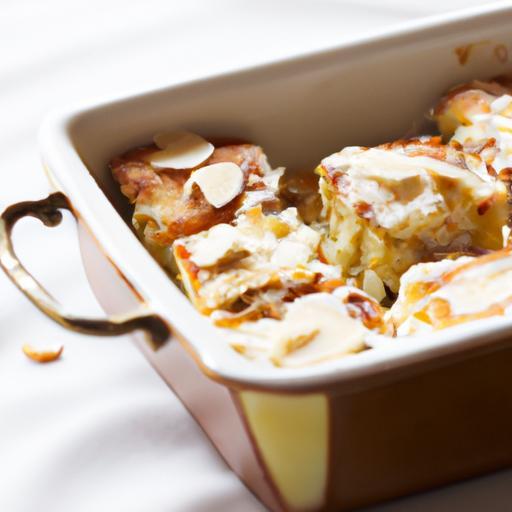
Nestled within the rich tapestry of Middle Eastern desserts lies a jewel of culinary craftsmanship known as Kaab El ghazal-frequently enough translated as the “Gazelle Horn.” This delicate almond pastry, with its crescent shape and intricate patterns, is more than just a sweet treat; it is a symbol of tradition, artistry, and the festivity of flavor.From the carefully blended almond filling to the buttery, flaky dough that encases it, Kaab El Ghazal embodies a harmonious dance between texture and taste. in this article, we embark on a journey to explore the origins, techniques, and cultural importance of this almond pastry delight, revealing how generations have perfected the art of transforming simple ingredients into an exquisite edible masterpiece.
Kaab El Ghazal, also known as Gazelle Horns, is a jewel of Maghrebi pastry tradition.This exquisite almond pastry delight captures centuries of cultural heritage and culinary artistry, celebrated especially during festive seasons like Eid and family gatherings. Originating from Morocco, these crescent-shaped treats are more than just a dessert; they are a symbol of hospitality, artistry, and the timeless union between fragrant spices and tender almonds. Baking Kaab El Ghazal invites you to partake in a ritual that honors patience and finesse-where each bite is a whisper of history, elegance, and authentic flavor.
Prep and Cook Time
- Preparation: 45 minutes
- Resting Time (dough): 30 minutes
- Cooking: 20 minutes
- total Time: 1 hour 35 minutes
Yield
Approximately 24 almond-stuffed pastries
Difficulty Level
Medium – Requires attention to dough texture and filling consistency
Ingredients
- For the Dough:
- 2 ½ cups all-purpose flour, sifted
- ½ cup unsalted butter, melted and cooled
- ¼ cup vegetable oil
- ⅓ cup warm orange blossom water
- ¼ cup granulated sugar
- Pinch of salt
- Warm water as needed (about 3-4 tbsp)
- For the Almond Filling:
- 2 cups blanched almonds, finely ground
- ¾ cup powdered sugar
- 2 tbsp unsalted butter, softened
- 1 tsp ground cinnamon
- 1 tbsp orange blossom water
- Zest of 1 lemon
- 1 egg white (for binding)
- For Finishing:
- Powdered sugar, for dusting
Instructions
- Prepare the dough: In a large mixing bowl, combine the sifted flour, sugar, and salt. Gradually add the melted butter and vegetable oil, mixing gently until crumbly.
- Add the warm orange blossom water, then slowly incorporate warm water, kneading gently until you obtain a soft, supple dough that’s not sticky. Cover with a clean towel and rest for 30 minutes. resting allows the gluten to relax for easier rolling.
- Craft the almond filling: In a bowl, blend the ground almonds, powdered sugar, softened butter, cinnamon, lemon zest, and orange blossom water. Add the egg white and mix well. The mixture should be firm but pliable; chill for 10 minutes if to soft.
- Preheat your oven to 350°F (175°C) and line baking sheets with parchment paper.
- Shape the pastries: Divide the dough into small walnut-sized balls. Roll each ball into a thin oval shape, about 2 mm thick, on a lightly floured surface.
- Place a small amount (~1 tsp) of almond filling along one edge of the oval.Roll it carefully into a crescent shape, sealing edges firmly by pinching gently so no filling escapes during baking.
- Arrange on baking sheets spaced comfortably apart.Bake for about 18-20 minutes or until pastries are lightly golden but still pale to preserve their delicate flavor and texture.
- Remove from oven and let cool completely. Once cooled, dust generously with powdered sugar for an elegant finish.
Tips for Success
- Almond texture: For a smooth filling,pulse almonds to a fine meal but avoid grinding into a paste to maintain an authentic,slightly textured bite.
- dough elasticity: Adding orange blossom water keeps your dough fragrant and tender; resist overworking to avoid tough pastries.
- Sealing edges: Use a pinch of wet dough or egg white as glue if edges resist sticking.
- Make-ahead: Dough and filling can be refrigerated separately for up to 24 hours, wrapped tightly in plastic wrap.
- Storage: Store kaab el Ghazal in an airtight container at room temperature for up to one week.Re-dust with powdered sugar before serving to refresh the look.
Serving Suggestions
Present these almond pastries on a silver platter lined with doilies for a traditional touch.Pair them with Moroccan mint tea or a warm, spiced chai to complement their subtly floral flavor.
Garnish with a few whole almonds or a light sprinkle of crushed pistachios for added color contrast and texture.They also shine beautifully alongside a bowl of fresh dates or dried figs, offering a perfect balance of sweet and nutty.

| Nutrient | Per Serving |
|---|---|
| Calories | 150 kcal |
| Protein | 4 g |
| Carbohydrates | 18 g |
| Fat | 8 g |
For a deeper dive into traditional Moroccan pastries, check out our Moroccan Pastry Guide. To explore the cultural roots of almond delights worldwide,see this insightful article from Encyclopaedia Britannica.
Q&A
Q&A: Kaab El Ghazal – The Art of Almond Pastry Delight
Q1: What is Kaab El Ghazal?
A1: Kaab el Ghazal, frequently enough translated as “Gazelle Horns,” is a traditional Moroccan pastry known for its crescent shape and delicate texture. These almond-filled delights are more than just a dessert-they’re a cultural treasure, blending sweet, fragrant, and nutty flavors wrapped in buttery, flaky dough.
Q2: Where does the name “Kaab El Ghazal” come from?
A2: the name literally means ”horns of the gazelle,” inspired by the pastry’s elegant crescent shape that resembles the curved horns of this graceful animal native to North Africa. The name evokes both the beauty and finesse of the treat.
Q3: what makes Kaab El Ghazal so special compared to other almond pastries?
A3: Its unique combination of textures and aromas sets Kaab El Ghazal apart. The outer dough is tender yet crisp, scented with orange blossom water and sometimes a hint of cinnamon. inside, a spiced almond paste delivers natural sweetness and a melt-in-the-mouth consistency, creating a harmonious balance of flavors.
Q4: What are the key ingredients used in Kaab El Ghazal?
A4: The fundamental ingredients include finely ground almonds, sugar, orange blossom water, cinnamon, and sometimes a touch of orange zest for fragrance. The dough typically consists of semolina or all-purpose flour, butter, and a splash of orange blossom water, which imparts its characteristic floral note.
Q5: How is Kaab El Ghazal traditionally prepared?
A5: Preparation begins with mixing the almond filling until silky smooth, then rolling the dough into thin sheets. Small portions of the almond paste are shaped into logs,placed on the dough,and carefully rolled into crescent shapes. After baking,the pastries are dusted with powdered sugar,enhancing their sweetness and visual appeal.
Q6: Is Kaab El Ghazal associated with any special occasions?
A6: Yes! Kaab El Ghazal is especially popular during Moroccan festivals and celebrations, such as Eid and weddings. Sharing these pastries is a symbol of hospitality and joy, often enjoyed alongside mint tea as part of a traditional tea ceremony.
Q7: Can Kaab El Ghazal be adapted for different dietary preferences?
A7: Absolutely! While the classic recipe relies on butter, it can be adapted using plant-based oils or vegan butter to accommodate vegan diets. Almond paste can also be sweetened with natural alternatives like date syrup if preferred. Just ensure the delicate balance of flavors remains intact.Q8: What tips help achieve the perfect texture in Kaab El Ghazal?
A8: Precision is key! Using finely ground almonds ensures smooth filling,and incorporating orange blossom water in both dough and filling creates aromatic harmony. Baking at a moderate temperature prevents over-browning, keeping the exterior tender and the interior moist.
Q9: How does Kaab El Ghazal reflect Moroccan culinary culture?
A9: This pastry beautifully illustrates Morocco’s love for blending nuts, floral essences, and subtle spices. It captures the essence of moroccan craftsmanship where every bite tells a story of heritage, artistry, and the warm communal spirit found in Moroccan kitchens.
Q10: Where can someone outside Morocco find Kaab El Ghazal?
A10: Many Moroccan bakeries around the world offer Kaab El Ghazal, especially in cities with vibrant North African communities. Alternatively, home bakers can recreate the experience with recipes available in cookbooks and online-bringing a taste of Moroccan tradition right to their own kitchen.
Embrace the crafting of Kaab El Ghazal and discover the sweet poetry baked into every almond-filled crescent!
Final Thoughts
In the intricate folds of Kaab El Ghazal lies more than just a pastry-it is indeed a story folded in almond-scented dough, a timeless tradition passed through generations. Each bite offers a delicate dance of textures and flavors that celebrate the art of craftsmanship and cultural heritage. Whether enjoyed during festive gatherings or quiet moments of indulgence, Kaab El Ghazal remains a savory testament to the enduring magic found in the simplest of ingredients. As you explore this almond pastry delight, may you not only savor its taste but also appreciate the rich tapestry of stories and skill that make it a true jewel of the culinary world.