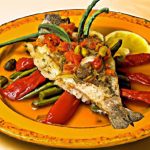


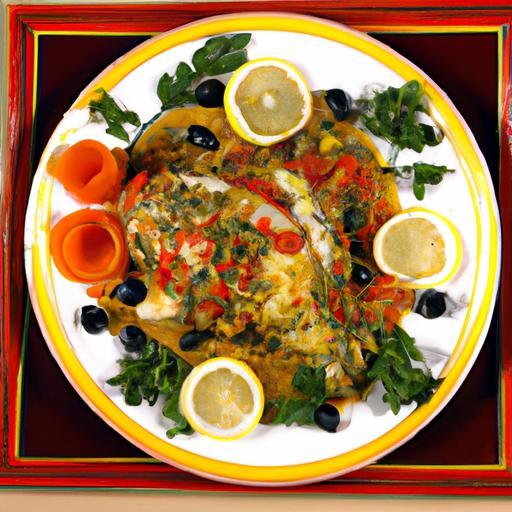
Nestled along the shimmering shores of the Mediterranean, Tangier’s coast is not only a crossroads of cultures but also a vibrant tapestry of flavors waiting to be discovered. Among its culinary treasures, moroccan spiced fish stands out as a vivid expression of tradition, history, and the sea’s bounty. This dish, rich with aromatic spices and fresh catch, invites food lovers on a flavorful journey that captures the essence of Morocco’s coastal heritage. In this article, we’ll explore the origins, ingredients, and stories behind Moroccan spiced fish-a culinary voyage that brings the vibrant soul of Tangier directly to your plate.
Moroccan Spiced Fish embodies the vibrant culinary heritage of Tangier’s coastal markets, where fresh catch meets an intoxicating blend of spices that sing with every bite. This dish is not just a meal; it’s a sensory voyage through aromatic souks and salty sea breezes, where conventional techniques and the freshest ingredients combine to produce flavors that are both timeless and inviting.
prep and Cook Time
- Preparation: 20 minutes
- Marinating: 1 hour (minimum)
- Cooking: 15-20 minutes
- Total Time: Approximately 1 hour 40 minutes
Yield
Serves 4 generous portions
Difficulty Level
Medium – Perfect for cooks ready to explore bold flavors and marinating techniques
Ingredients
- 4 firm white fish fillets (such as sea bass, snapper, or cod – about 6 oz each)
- 3 tablespoons olive oil, extra virgin
- 1 tablespoon smoked paprika
- 1 teaspoon ground cumin
- 1 teaspoon ground coriander
- 1 teaspoon turmeric powder
- 1/2 teaspoon ground cinnamon
- 1/2 teaspoon cayenne pepper (adjust to taste)
- 4 cloves garlic, finely minced
- Juice of 1 large lemon
- 1 tablespoon fresh ginger, grated
- 2 tablespoons chopped fresh cilantro
- 1 tablespoon chopped fresh flat-leaf parsley
- Salt and freshly ground black pepper, to taste
- 1/2 cup plain Greek yogurt (optional, for cooling sauce)
Instructions
- Prepare the marinade: In a medium bowl, whisk together the olive oil, smoked paprika, ground cumin, coriander, turmeric, cinnamon, cayenne, minced garlic, lemon juice, grated ginger, cilantro, parsley, salt, and pepper. Ensure the mixture is well combined into a fragrant, colorful paste.
- Marinate the fish: Pat the fish fillets dry with paper towels to help the marinade adhere. Coat each fillet generously with the marinade and place them in a shallow dish. Cover with plastic wrap and refrigerate for at least 1 hour, allowing the flavors to deeply penetrate the fish.
- Heat your cooking habitat: Whether grilling, pan-searing, or broiling, preheat your heat source to medium-high. If using a skillet, use a heavy-bottomed pan for even heat distribution.
- Cook the fish: Remove fish from the marinade, letting excess drip off. In a hot pan or grill,cook the fish for 3-5 minutes per side,depending on thickness. Look for a golden,slightly charred crust while ensuring the fish stays moist and flaky inside. Avoid flipping more than onc for the best sear.
- Optional cooling sauce: Serve the fish with a side of Greek yogurt mixed with a pinch of salt, lemon zest, and fresh mint or parsley. This provides a creamy contrast to the warm spices.
- Rest and garnish: Let the fish rest for 2 minutes after cooking. Garnish with fresh cilantro leaves, lemon wedges, and a drizzle of olive oil before serving.
Tips for Success
- Freshness is key: Selecting fresh, firm white fish from your local market-preferably from coastal vendors-will profoundly impact the final flavor and texture.
- Marinate thoughtfully: Avoid marinating fish for more than 2 hours as the acids in lemon juice can begin to “cook” it,altering the texture undesirably.
- Balancing spice heat: Adjust the cayenne pepper according to your heat preference; start mild and build up over time if unsure.
- Serving ahead: You can prepare the marinade and fish in the morning to allow longer flavor infusion. Just keep covered and refrigerated until cooking.
- Spice substitutions: If coriander or turmeric is unavailable, use a combination of ground cumin and smoked paprika for a different yet complementary profile.
- Cooking tip: Use a fish spatula for gentle flipping to prevent the fillets from breaking apart.
Serving Suggestions
For an elevated dining experience, plate your Moroccan spiced fish atop warm, fluffy couscous infused with raisins and toasted almonds. Add a side of roasted seasonal vegetables drizzled with preserved lemon vinaigrette for brightness. finish with a sprinkle of toasted sesame seeds and fresh herbs for contrast.A generously garnished platter accompanied by thinly sliced radishes and cucumber ribbons not only provides crunch but adds visual appeal,making your table come alive with color.
Pair with a cooling mint tea or freshly squeezed orange juice to complement the spices and refresh the palate.

| Nutrient | Per Serving |
|---|---|
| calories | 280 kcal |
| Protein | 35 g |
| Carbohydrates | 4 g |
| Fat | 12 g |
Discover more inspiration on Moroccan flavors by exploring our complete guide to Moroccan spice blends, which pairs wonderfully with this dish. For a deeper insight into Tangier’s seafood traditions and sourcing fresh fish, visit FAO Fisheries and Aquaculture.
Q&A
Q&A: Moroccan Spiced Fish – A Flavorful journey to Tangier’s Coast
Q1: What makes Moroccan spiced fish unique compared to other fish dishes?
A1: Moroccan spiced fish is a vibrant symphony of flavors, combining the fresh essence of seafood with an aromatic blend of spices such as cumin, coriander, paprika, and turmeric. Unlike simpler fish dishes, it carries the soulful influence of Tangier’s coastal culture, where the spices evoke the bustling markets and the Atlantic breeze all at once.
Q2: Which spices are essential to capture the authentic taste of Moroccan spiced fish?
A2: The heart of Moroccan spiced fish lies in a masterful palette of fragrant spices: cumin brings earthy warmth, coriander adds citrusy brightness, paprika offers subtle smoky heat, turmeric lends a golden hue and mellow earthiness, and a pinch of cayenne pepper introduces a gentle kick. Fresh herbs like cilantro and parsley round off the dish, enhancing its freshness.
Q3: How do Moroccans traditionally prepare fish along the Tangier coast?
A3: Along Tangier’s coast, fresh catch is typically marinated in a lively spice blend, then either pan-seared or gently baked. Sometimes, the fish is cooked with tomatoes, garlic, and preserved lemon, which infuses it with zest and depth. The cooking method respects the fish’s natural texture while letting the spices sing through every bite.
Q4: Can Moroccan spiced fish be prepared with any type of fish?
A4: Yes! While white, flaky fish like sea bass, cod, or snapper are preferred for their ability to absorb spices without overpowering the dish, the marinade’s vibrant profile works beautifully with many varieties. the key is freshness – the flavor journey starts with a fish that tastes like the sea itself.
Q5: What side dishes typically accompany Moroccan spiced fish?
A5: moroccan spiced fish is frequently enough served alongside fluffy couscous, offering a grainy softness that balances the robust spices. Roasted vegetables, herbed salads, or warm bread such as khobz are also common, inviting diners to mop up every bit of the aromatic sauce.
Q6: How does preserved lemon enhance the flavors in Moroccan spiced fish?
A6: Preserved lemon is a cornerstone of Moroccan cuisine and adds a uniquely tangy, salty brightness that uplifts the dish. When incorporated into the marinade or sauce, it creates a sharp, citrusy contrast to the spices and fish, like a burst of coastal sunlight in every bite.Q7: Is Moroccan spiced fish suitable for a quick weeknight meal?
A7: Absolutely! Despite its complex flavors, Moroccan spiced fish can be whipped up fairly quickly. The marinade often doubles as a sauce, minimizing prep time, and the fish cooks in minutes. It’s a perfect way to add a touch of exotic flair to a weekday dinner without hours in the kitchen.
Q8: What cultural influences have shaped moroccan spiced fish dishes?
A8: Tangier,perched at the crossroads of Africa and Europe,has long been a melting pot of cultures – Arab,Berber,Andalusian,and Mediterranean. This fusion is evident in the cuisine, where the interplay of spices, fresh seafood, and local herbs reflects centuries of trade, conquest, and shared traditions.
Q9: Are there vegetarian versions inspired by Moroccan spiced fish?
A9: While the essence of this dish is the fish itself, the flavorful spice blend can be adapted beautifully for vegetables like eggplants, zucchini, or mushrooms.These can be marinated and roasted to capture a similar aromatic profile, offering a plant-based homage to the Tangier coast’s lively flavors.
Q10: How can someone new to Moroccan flavors start experimenting with spiced fish?
A10: Begin with simple spice blends combining cumin, coriander, paprika, and turmeric. Marinate firm white fish for at least 30 minutes, then pan-sear or bake it until just cooked. Pair it with fresh herbs and a squirt of lemon juice to brighten the dish. With each step,taste and adjust – moroccan cooking is as much about personal expression as tradition.
The Way Forward
As the sun sets over Tangier’s shimmering coastline, the rich aroma of Moroccan spiced fish lingers in the air-a fragrant testament to a culinary tradition steeped in history and vibrant flavors. This dish is more than just a meal; it’s an invitation to explore the bustling markets,the fragrant spice blends,and the deep connection between land and sea that define Morocco’s coastal heritage.Whether you’re a seasoned foodie or an adventurous cook, embracing the zest and warmth of Moroccan spiced fish offers a flavorful journey that transports your senses straight to Tangier’s shores-where every bite tells a story of culture, passion, and the timeless art of seasoning.