

In the vibrant tapestry of Thai cuisine, few flavors capture the imagination quite like the rich, aromatic allure of green curry. At the heart of this beloved dish lies the green curry paste-a complex blend of fresh herbs, spices, and chilies that transforms simple ingredients into a symphony of taste. While store-bought jars promise convenience, nothing compares to the depth and authenticity achieved wiht a homemade batch. In this guide,we’ll journey through the art of crafting your own Thai green curry paste from scratch,unlocking the secrets behind its bold,fragrant character and empowering you to bring a truly authentic touch to your kitchen creations.
Crafting Authentic Thai Green Curry Paste starts with sourcing the freshest, most aromatic ingredients, setting the foundation for an unforgettable culinary experience. The vibrant colors, the unmistakable herbal freshness, and the enticing warmth of each spice converge to create a paste that’s not just a mix of flavors, but a celebration of Thai heritage. I still recall my first trip to Thailand, where markets overflowed with bright green chilies and fragrant kaffir lime leaves, inspiring me to master this paste in my own kitchen.
Prep and Cook Time
- Readiness Time: 20 minutes
- Cooking/Grinding Time: 15 minutes
yield
Approximately 1 cup of green curry paste, enough to flavor 4-6 servings.
Difficulty Level
Medium – requires some hands-on techniques but very rewarding.
Ingredients
- 10 fresh green thai chilies, stems removed (adjust for heat preference)
- 3 shallots, peeled and sliced
- 5 cloves garlic, peeled
- 1 stalk lemongrass, white part only, finely chopped
- 1-inch piece galangal, peeled and sliced
- 1 kaffir lime leaf, finely shredded
- 1 teaspoon coriander seeds
- 1 teaspoon cumin seeds
- 1/2 teaspoon white peppercorns
- 1/2 teaspoon shrimp paste (optional or substitute with fermented soybean paste for vegetarian version)
- 1 tablespoon cilantro roots or stems, washed and chopped
- 1 tablespoon vegetable oil (to preserve and bind the paste)
Instructions
- Toast the spices: In a dry skillet over medium heat, gently toast the coriander seeds, cumin seeds, and white peppercorns untill fragrant, about 2-3 minutes.Stir frequently to avoid burning. Transfer to a mortar and pestle or spice grinder and grind to a fine powder.
- Prepare fresh herbs and aromatics: Finely slice the shallots, peel the galangal and chop it thinly, and finely shred the kaffir lime leaf. set aside.
- de-seed and chop chilies: Remove stems from the green chilies. For milder paste, scrape out seeds; for a fiery kick, leave seeds intact. Roughly chop into smaller pieces for easier grinding.
- Crush and grind: Using a mortar and pestle (ideal for authentic texture), pound the garlic, cilantro roots, and lemongrass into a coarse paste first. Gradually add the toasted spice powder, shallots, galangal, kaffir lime, and chilies, pounding in circular motions until a smooth, vibrant green paste emerges. This conventional technique unlocks essential oils, intensifying flavor.
- Incorporate binding oil & shrimp paste: Add the vegetable oil to the paste and mix thoroughly. If using,blend in the shrimp paste or fermented soybean paste for depth and umami. adjust consistency with a drizzle of water if too thick.
- Store properly: Transfer the paste into a clean jar,pressing down firmly to minimize air pockets. Cover the surface with a thin layer of oil to preserve freshness. Seal tightly and refrigerate or freeze.
Chef’s Notes
- using a mortar and pestle ensures a more aromatic paste by releasing oils from the herbs, but a powerful food processor can be a convenient choice.
- Adjust chili heat to personal preference, experimenting with mild or hot Thai chili varieties.
- For a vegetarian green curry paste, substitute shrimp paste with fermented soybean or miso paste for an umami boost.
- Allow the paste to rest for 24 hours in the fridge before use; flavors meld and intensify beautifully over time.
- Freeze individual portions in ice cube trays for convenient use and longer shelf life.
Serving Suggestions
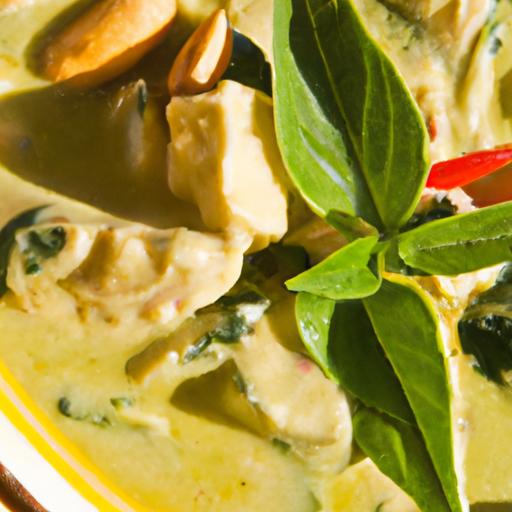
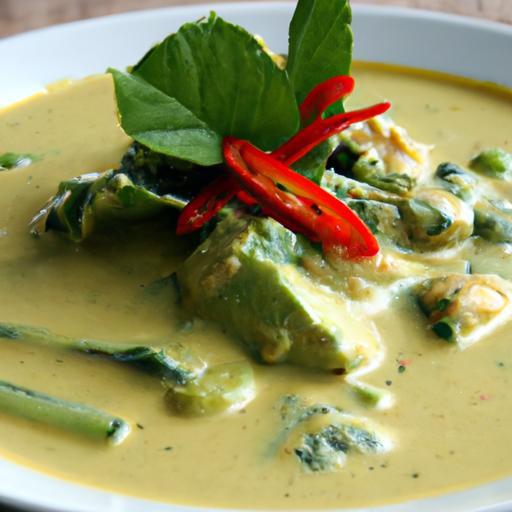
Onc your green curry paste is perfected, simmer it gently with coconut milk and your choice of protein or vegetables to create an authentic Thai green curry. Garnish with fresh basil leaves, thin slices of fresh chili, and a sprinkle of finely chopped cilantro for vibrant color and burst of freshness. Serve alongside jasmine rice or sticky rice to soak up the luscious sauce.
| Nutrient | Per 1 tbsp |
|---|---|
| Calories | 25 |
| Protein | 1g |
| Carbohydrates | 4g |
| Fat | 0.5g |
For an in-depth dive into Thai curry fundamentals, check our Ultimate Guide to Thai Curries. Also, the Encyclopedia Britannica on Thai cuisine offers fascinating insights into traditional Thai flavor profiles and cooking methods.

Q&A
Q&A: Crafting Authentic Thai Green Curry Paste: A Homemade Guide
Q1: What makes Thai green curry paste so uniquely vibrant and flavorful?
A1: The magic lies in the fresh, aromatic ingredients blended into a fine, fragrant paste. The combination of green chilies, fresh coriander roots, kaffir lime zest, galangal, lemongrass, garlic, and toasted spices creates a lively harmony of heat, citrusy brightness, earthiness, and pungency that sets green curry apart.
Q2: Can I achieve the same authentic taste if I use dried herbs or powdered spices instead of fresh ones?
A2: While dried herbs or powdered spices can work in a pinch, fresh ingredients are essential for capturing the true essence of Thai green curry paste. The fresh herbs bring a bright, lively intensity and essential oils that dried versions simply cannot replicate. Fresh kaffir lime leaves, galangal slices, and freshly pounded spices truly elevate the paste to authentic levels.
Q3: How crucial is the method of preparation for the curry paste? Can I just blend everything in a food processor?
A3: Traditional Thai chefs meticulously pound the ingredients using a mortar and pestle, which helps release essential oils and develop deeper flavors through gradual breaking down of fibers. while a food processor is convenient and can produce a nice paste, it sometimes misses the nuanced textures and flavors from the rhythmic hand-pounding process. If possible, use a mortar and pestle or blend gently to preserve texture.
Q4: Are Thai green chilies very spicy? How many should I use to control the heat?
A4: Thai green chilies can pack a respectable punch, but their heat is balanced by the other ingredients. The number of chilies depends on your tolerance and the heat level you want-start with 4 to 6 and adjust. For a milder paste, remove the seeds or use fewer chilies; for more heat, add extra, keeping in mind the bold flavors of the curry will amplify the spice.
Q5: What can I do to store homemade green curry paste and keep it fresh for longer?
A5: Homemade green curry paste can be refrigerated in an airtight container for up to a week.For longer storage,freeze it in small portions using ice cube trays or silicone molds. This way, you can thaw just the amount you need without compromising the vibrant flavors. A thin layer of oil on top before sealing can help maintain freshness, too.
Q6: Can I customize the ingredients to suit dietary restrictions or personal tastes?
A6: Absolutely! The beauty of homemade curry paste is in its flexibility. Just keep in mind the core ingredients that define the green curry’s profile-green chilies, fresh herbs, galangal, lemongrass, and kaffir lime. You can adjust the level of spice, or swap coriander roots for stems if unavailable. But maintaining the balance between heat, citrus, and herbal notes is key to staying authentic.
Q7: What dishes pair best with homemade Thai green curry paste?
A7: Green curry paste shines in soups, stews, and stir-fries. Rich coconut milk-based curries with chicken, tofu, or seafood are classic pairings. It also works beautifully as a marinade or mixed with vegetables and rice dishes for an aromatic lift. Its vibrant flavor complements fresh herbs, creamy coconut, and zesty lime beautifully.
Q8: Is it necessary to toast the spices before grinding in the curry paste?
A8: Yes! Toasting whole spices like coriander seeds and cumin enhances their aroma and depth by releasing essential oils, lending a smoky nuttiness to the paste. This step adds complexity and rounds out the fresh herbal notes, making the paste truly layered and irresistible.
Q9: What traditional Thai ingredients are important not to omit in crafting green curry paste?
A9: Key to authenticity are fresh green chilies,galangal,kaffir lime zest and leaves,lemongrass,coriander roots,garlic,shallots,and toasted coriander and cumin seeds. Missing any of these may result in a curry paste that lacks the signature brightness,zing,and earthiness that green curry lovers crave.
Q10: How do I balance flavors in the paste once it’s made? Can I add more salt or sugar after cooking?
A10: The paste itself should be well balanced, but final flavor adjustments usually happen during cooking. As green curry dishes frequently enough include salty fish sauce, sweet coconut milk, and tangy lime or palm sugar, you can fine-tune saltiness, sweetness, and acidity at that stage. Taste as you go and tweak to your preference for a harmonious curry experience.
Concluding Remarks
Embarking on the journey to craft your own Thai green curry paste opens a gateway to authentic flavors that store-bought jars simply can’t match. Beyond the vibrant aroma and balanced heat, making the paste from scratch connects you to centuries of culinary tradition, turning a simple dish into a rich cultural experience. Armed with fresh herbs,aromatic spices,and a bit of patience,you’re not just cooking-you’re creating a symphony of tastes that embody the heart of Thailand. So next time you crave that creamy, spicy goodness, remember: the true secret lies in the hands that craft it. happy stirring!