

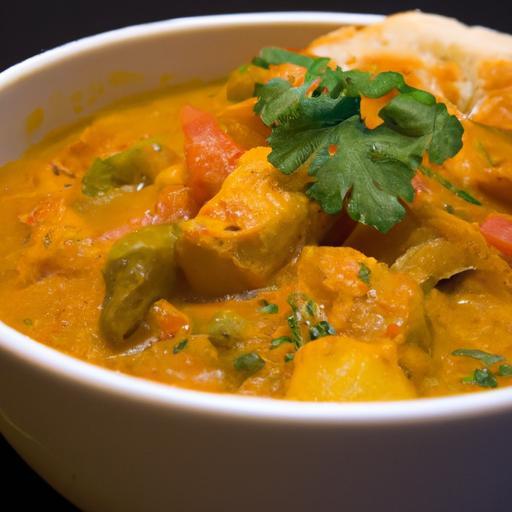
Step into a world where vibrant spices dance harmoniously with fresh,garden-picked vegetables,creating a culinary masterpiece that tantalizes both the eyes and the palate. Authentic Indian Vegetable Korma is more than just a dish; it is a fragrant festivity of tradition, flavour, and artistry. This creamy, mildly spiced curry weaves together an intricate tapestry of textures and aromas, inviting food lovers too explore the depths of India’s rich culinary heritage. Join us as we uncover the secrets behind this beloved classic and discover how each ingredient contributes to the unforgettable symphony of taste that is Indian Vegetable Korma.
Discover the rich flavors of authentic Indian vegetable korma through a symphony of aromatic spices and luscious textures that elevate this dish beyond a mere curry.Originating from the Mughlai kitchens of North India, vegetable korma is celebrated for its creamy, subtly spiced sauce that caresses tender vegetables, creating a comforting yet elegant meal perfect for any occasion. The blend of spices, nuts, and creaminess perfectly balances earthy and floral notes-inviting you to savor a bite that is both exotic and warmly familiar.
Prep and Cook Time
- Preparation: 20 minutes
- Cooking: 40 minutes
- Total Time: 60 minutes
Yield
- Serves 4 generous portions
Difficulty Level
- Medium – perfect for home cooks eager to master a classic Indian dish
Essential Ingredients that Bring Depth and Creaminess to Every Bite
- 2 tablespoons ghee (clarified butter) or vegetable oil
- 1 large onion, finely chopped
- 1 tablespoon ginger-garlic paste
- 1 teaspoon cumin seeds
- 1 teaspoon coriander powder
- ½ teaspoon turmeric powder
- 1 teaspoon garam masala
- ¼ teaspoon ground cardamom
- ½ teaspoon ground cinnamon
- ½ teaspoon red chili powder (adjust to taste)
- 2 medium potatoes, peeled and cubed
- 1 cup cauliflower florets
- 1 cup green peas (fresh or frozen)
- 1 medium carrot, diced
- ½ cup cashew nuts, soaked in warm water for 15 minutes
- 1 cup plain yogurt, whisked (use dairy or plant-based)
- 1 cup coconut milk or heavy cream
- Salt, to taste
- Fresh cilantro, chopped for garnish
- Slivered almonds (optional garnish)
Step by Step Guide to Crafting the Perfect Vegetable Korma at Home
- Heat ghee in a deep skillet over medium heat. Add cumin seeds and toast until fragrant, about 30 seconds.
- Add the finely chopped onion and sauté until golden brown, approximately 8 minutes. Stir frequently to prevent burning.
- Incorporate the ginger-garlic paste and cook for 2 minutes until the raw aroma dissipates.
- Sprinkle in coriander powder, turmeric, garam masala, cardamom, cinnamon, and red chili powder. Stir for 1 minute to toast the spices gently, releasing their oils.
- Add cubed potatoes, cauliflower florets, carrots, and green peas. Mix thoroughly to coat the vegetables with the spice blend.
- Pour in the whisked yogurt gradually, stirring constantly to prevent curdling and to create a smooth base.
- Drain the soaked cashews and blend them with the coconut milk or cream until silky smooth. Add this rich cashew cream to the skillet.
- Season with salt, reduce heat to low, cover, and simmer for 25-30 minutes, stirring occasionally. The vegetables should be tender, and the sauce thick and creamy.
- Uncover and simmer for another 5 minutes if the sauce needs thickening. Adjust the seasoning as needed.
- Garnish generously with freshly chopped cilantro and optional slivered almonds before serving.
Chef’s Notes
- Using cashew paste is key to achieving the rich, creamy texture signature to vegetable korma; soaked cashews blend into a luscious sauce without heaviness.
- For a vegan version, substitute ghee with coconut oil and use dairy-free yogurt and cream alternatives.
- If you prefer a nuttier flavor, lightly toast the cashews before soaking for added depth.
- To avoid bitterness, cook the onion well until caramelized, wich adds natural sweetness balancing the spices.
- Make-ahead tip: Prepare the spice base and vegetable mix in advance; combine with fresh yogurt and cream just before cooking to maintain freshness.
Pairing Suggestions to Elevate Your Vegetable Korma dining experience
Vegetable korma pairs wonderfully with flaky naan bread or soft basmati rice, whose delicate aroma and texture complement the complexity of the dish. For a conventional feast, accompany it with tandoori chicken for a protein-rich contrast (for non-vegetarians). On the lighter side, a cool cucumber raita or a simple salad of julienned carrots and mint adds refreshing balance.garnish the korma with golden-edged toasted almonds or a drizzle of saffron-infused cream to create a stunning presentation that invites indulgence.

| Nutrient | Per Serving |
|---|---|
| Calories | 320 kcal |
| Protein | 8 g |
| Carbohydrates | 35 g |
| Fat | 15 g |
For further exploration of Indian spice blends and their health benefits, visit the Encyclopedia Britannica’s guide to Indian cuisine.
Q&A
Q&A: Discover the rich Flavors of Authentic Indian Vegetable Korma
Q1: What is Vegetable Korma, and why is it so popular in Indian cuisine?
A: Vegetable Korma is a creamy, aromatic curry that beautifully showcases a medley of vegetables simmered in a rich, spiced sauce made from nuts, yogurt, coconut, and fragrant spices. Its popularity comes from its luxurious texture and balanced flavor profile-mild yet deeply flavorful-making it a beloved dish for both festive occasions and everyday meals.Q2: Which vegetables work best in an authentic Vegetable Korma?
A: Classic Vegetable Korma frequently enough includes a colorful mix of carrots, green beans, peas, cauliflower, potatoes, and sometimes paneer (Indian cottage cheese). These vegetables absorb the creamy sauce wonderfully, providing a satisfying combination of textures and flavors.
Q3: What are the key spices that give Vegetable Korma its distinctive taste?
A: The magic lies in a harmonious blend of spices such as cardamom, cinnamon, cloves, bay leaves, and coriander seeds, combined with ginger, garlic, and sometimes a touch of saffron. These spices infuse the dish with warm, sweet, and fragrant notes that elevate the creamy base.
Q4: How is the creamy texture achieved without using heavy cream?
A: Traditional Vegetable Korma relies on ground nuts (like cashews or almonds) and coconut, combined with yogurt or coconut milk, to create a silky, luxurious sauce.This method adds richness and depth without overwhelming heaviness, perfectly complementing the spices and vegetables.
Q5: Can Vegetable Korma be adapted for different dietary preferences?
A: Absolutely! Vegetable Korma is naturally vegetarian and can easily be made vegan by substituting yogurt with coconut yogurt or more coconut milk. The adaptability of the recipe allows cooks to tailor the ingredients while maintaining its authentic flavors.
Q6: What is the best way to serve Vegetable Korma?
A: Vegetable Korma pairs beautifully with fragrant basmati rice, warm naan, or other Indian flatbreads. the mild, creamy sauce acts as a perfect counterbalance to the fluffiness of rice or the chewiness of fresh bread, making each bite satisfying and harmonious.
Q7: How can beginners recreate authentic Vegetable Korma at home?
A: Start with fresh vegetables and gather quality whole spices to toast and grind at home for maximum flavor. Soak cashews or almonds before blending them into a smooth paste for the sauce. Take time to sauté spices gently to release their aroma, and simmer the curry slowly, allowing the flavors to meld. Patience and fresh ingredients are key to capturing the true essence of this dish.
Q8: What cultural importance does Vegetable Korma hold in India?
A: Vegetable Korma is often associated with celebratory feasts and special occasions, symbolizing hospitality and warmth. its rich and delicate nature reflects the nuances of Mughlai cuisine, which blends Persian influences with Indian flavors, illustrating the diverse culinary heritage of the region.
Q9: Are there regional variations of Vegetable Korma within India?
A: Yes, while the core concept remains the same, different regions might tweak the recipe by varying the spice mix, using local nuts, or incorporating regional vegetables. As an example, some South Indian versions might emphasize coconut more heavily, while North Indian styles could lean towards yogurt-based sauces.
Q10: What tips ensure the best flavor balance in Vegetable korma?
A: Balancing sweetness from nuts or coconut with subtle heat from spices and a hint of tang from yogurt or lemon juice creates that signature harmony. Taste and adjust seasoning gradually, and avoid overpowering the dish with chili or salt. Embracing subtlety helps maintain the elegant flavor profile that defines an authentic Vegetable Korma.
in Retrospect
As the fragrant spices of a well-crafted vegetable korma linger on your palate, you begin to appreciate not just a dish, but a vibrant tapestry woven from India’s rich culinary heritage. This creamy, aromatic delight invites you to explore the harmony of fresh vegetables and exotic flavors, reflecting centuries of tradition and innovation.Whether you’re a seasoned foodie or a curious newcomer, embracing authentic Indian vegetable korma opens a door to a world where every bite tells a story-of culture, warmth, and the timeless joy of sharing good food. So, next time you crave something comforting yet adventurous, let vegetable korma be your flavorful passport to India’s kitchen treasures.