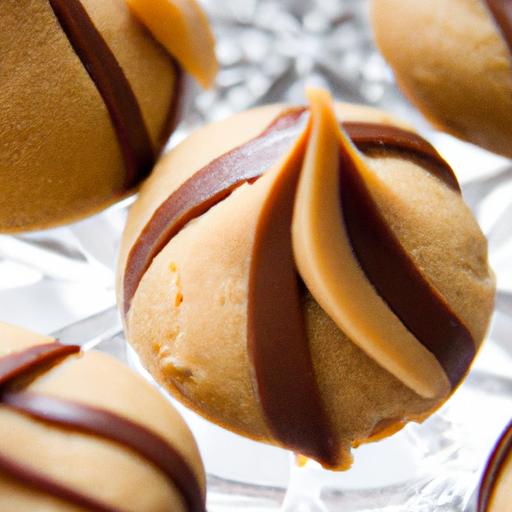


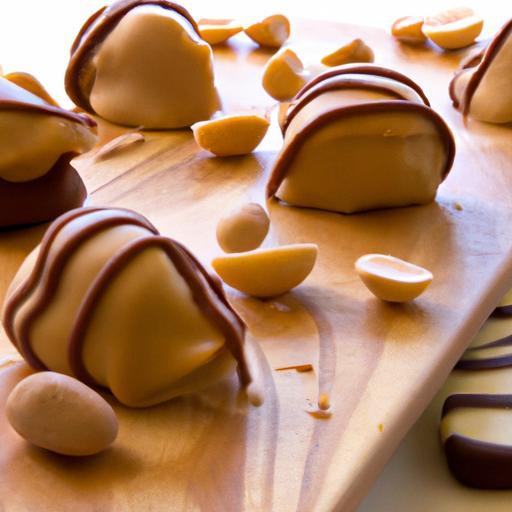
There’s something utterly magical about a Peanut Butter Blossom: the tender, chewy peanut butter cookie crowned with a glossy, melting chocolate kiss. But behind this beloved holiday classic lies a fascinating blend of chemistry, physics, and culinary artistry-a true “sweet science.” From the alchemy of creaming butter and sugar to the delicate dance of dough chilling and baking, each step plays a pivotal role in creating that perfect balance of texture and flavor. Join us as we unwrap the secrets behind these iconic treats and discover how science transforms simple ingredients into a timeless confectionery masterpiece.
The Sweet Science Behind Perfect Peanut Butter Blossoms
The sweet science behind perfect peanut butter blossoms reveals the magical interplay of texture,chemistry,and timing that creates these iconic cookies’ irresistible charm.Combining creamy peanut butter with rich, melting chocolate kisses has delighted generations, but unlocking thier full potential requires more than just tossing ingredients together. From mastering dough consistency to the precision of bake temperature and time, every step contributes to that ideal bite.
Prep and Cook Time
- Preparation: 20 minutes
- Chilling: 30 minutes (recommended)
- Baking: 10-12 minutes
- Total: Approximately 1 hour including chilling
Yield
Makes 24 peanut butter blossoms, perfect for sharing or gifting.
Difficulty Level
Easy to Medium: Great for bakers with some experience who want to elevate a classic favorite.
Ingredients
- 1 cup creamy peanut butter (smooth,not natural for best binding)
- ¾ cup granulated sugar,divided
- ¾ cup packed light brown sugar
- 1 large egg + 1 large egg yolk,room temperature
- 2 tsp vanilla extract
- 1 ½ cups all-purpose flour,sifted
- 1 tsp baking soda
- ½ tsp baking powder
- ¼ tsp salt
- About 24 Hershey’s Milk Chocolate Kisses,unwrapped
- Extra granulated sugar for rolling
Instructions
- Preheat your oven to 375°F (190°C). Line two baking sheets with parchment paper or silicone mats to ensure even baking and easy cleanup.
- Whisk flour, baking soda, baking powder, and salt together in a medium bowl. Set aside.
- In a large bowl, cream peanut butter, granulated sugar, and brown sugar using an electric mixer on medium speed until smooth and fluffy-about 2-3 minutes. This step aerates the dough, crucial for tender cookies.
- beat in the egg and egg yolk,then add vanilla extract. Mix until completely combined.
- Gradually add dry ingredients to the wet mixture, stirring on low speed just until blended. Avoid overmixing to preserve cookie tenderness.
- Scoop dough into 1-inch balls and gently roll each in granulated sugar to create a crackled surface and improve presentation.
- Arrange balls on baking sheets 2 inches apart to allow for spreading. For optimal texture, chill dough balls for 30 minutes if time permits.Cold dough contracts less, preventing thin, crispy cookies.
- Bake for 10-12 minutes until the edges are set but centers appear slightly soft. Underbaking slightly ensures a chewy interior.
- Immediately press a chocolate kiss into the center of each warm cookie, allowing residual heat to gently melt the base for perfect adhesion. Avoid pushing too hard to maintain cookie shape.
- transfer cookies to wire racks to cool completely, letting chocolate set and flavors meld harmoniously.
Tips for Success: Elevate Your Peanut Butter Blossoms
- Understanding the Chemistry: The marriage of peanut butter’s fats with chocolate’s cocoa butter creates a luscious contrast. Using smooth peanut butter allows the dough to bind without excess oil, which can cause spreading.
- Mastering dough Texture: Aim for a pliable yet firm dough-too soft and your cookies will flatten; too dry and they’ll crack excessively.
- Timing and Temperature: Baking at 375°F is a sweet spot to develop crisp edges while maintaining a tender, chewy center. Cooling on wire racks prevents sogginess caused by trapped steam.
- Chilling is your Friend: It controls spread and deepens flavor. If rushed,cookies still bake beautifully but may be thinner.
- Substitutions: Use natural peanut butter cautiously, as its higher oil content alters texture; try blending with a bit of powdered peanut butter for stability.
- Storage: Store in an airtight container at room temperature for up to 5 days, or freeze dough balls for convenient future bakes.
- Decorating: For a twist, dust cookies with a light sprinkle of sea salt or crushed peanuts after adding chocolate kisses to amplify flavor and visual appeal.
Serving Suggestions
present these classic treats on a decorative platter, garnished with a few extra Hershey’s Kisses or a sprinkle of chopped roasted peanuts for texture contrast. For holiday charm, try wrapping each cookie in parchment and tying with twine-perfect for gifting! Pair with a cold glass of milk or creamy vanilla bean ice cream for an indulgent dessert experience.

| Nutrient | Per Cookie |
|---|---|
| Calories | 150 kcal |
| Protein | 4 g |
| Carbohydrates | 18 g |
| Fat | 8 g |
For more on mastering cookie chemistry, see our Ultimate Guide to Cookie Baking. To dive deeper into the science of chocolate tempering and texture interplay,the Culinary Institute of America offers excellent resources.
Q&A
Q&A: The sweet science Behind Perfect Peanut Butter Blossoms
Q1: What makes a Peanut Butter Blossom cookie truly iconic?
A1: it’s that perfect trio of flavors and textures-a tender peanut butter cookie base crowned with a shiny, melty chocolate kiss. The cookie’s soft chewiness paired with the bittersweet chocolate creates a delightful contrast that’s both comforting and indulgent.
Q2: How does peanut butter affect the cookie’s texture?
A2: Peanut butter adds moisture and fat, which tenderizes the dough and gives the cookie its signature soft yet slightly crumbly bite. the natural oils in peanut butter also help the cookie stay fresh longer, maintaining that melt-in-your-mouth feel.
Q3: Why is it important to chill the dough before baking?
A3: Chilling solidifies the fat in the dough,helping the cookies hold their shape as they bake. This step ensures the edges stay firm while the center remains soft-the perfect canvas for the chocolate kiss without it running or sinking too deeply.
Q4: What’s the science behind rolling the dough in sugar before baking?
A4: Coating each dough ball in granulated sugar creates a subtle, crackled crust as the cookie bakes. Sugar caramelizes at the surface, adding a delicate crunch and a shimmering finish that contrasts beautifully with the soft interior.
Q5: When’s the best time to add the chocolate kiss?
A5: The magic moment is right after the cookies come out of the oven, while the dough is hot and malleable. Pressing the chocolate kiss in too early or too late can affect its texture-pressed hot, the chocolate softens perfectly without melting away, creating that iconic blossom effect.
Q6: How do different types of chocolate kisses affect the overall flavor?
A6: Classic milk chocolate offers creamy sweetness that complements the salty peanut butter, while bittersweet chocolate adds complexity and balances the cookie’s sweetness. White chocolate brings a rich, buttery twist, and experimenting here can subtly shift the cookie’s personality.
Q7: Can the type of peanut butter make a difference?
A7: Absolutely. Creamy peanut butter results in a smoother texture, while chunky adds delightful bits of crunch. Natural peanut butter, which frequently enough separates, might need stirring or slight adjustments in other ingredients to maintain dough consistency without sacrificing flavor.
Q8: How does baking time influence the final outcome?
A8: Baking just until the edges set but the center remains soft ensures tenderness without undercooked dough. A few extra minutes yield a crisper cookie-both are flavorful but create distinct textures, so timing is key for the perfect balance.
Q9: Why do some recipes call for both baking soda and baking powder?
A9: Baking soda reacts with the acidic components in peanut butter to encourage spread and browning, while baking powder provides a gentler lift, making the cookie tender and airy. Together, they create a cookie that’s fluffy yet well-shaped.
Q10: What’s the best way to store Peanut Butter Blossoms to keep their magic alive?
A10: Store them in an airtight container at room temperature, layered with parchment paper to prevent sticking. This maintains their softness and prevents the chocolate from sweating. For longer storage, freezing preserves texture and flavor-just thaw before serving!
The Way Forward
As the final chocolate kiss melts atop that golden peanut butter cookie, we’re reminded that perfect Peanut Butter Blossoms are no mere accident-they’re the delicious result of chemistry, craftsmanship, and a dash of culinary magic. From mastering the ideal dough texture to understanding how heat transforms humble ingredients into a tender, nutty delight, the sweet science behind these classic treats turns every bite into a lesson in flavor and texture harmony.So next time you savor a Peanut Butter Blossom, take a moment to appreciate the blend of art and science that makes this timeless cookie a truly sweet success.