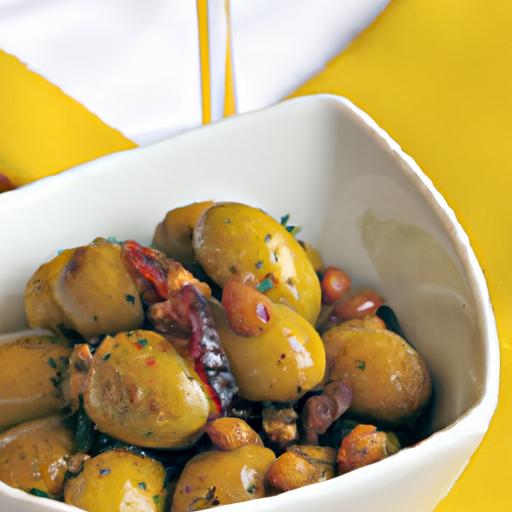


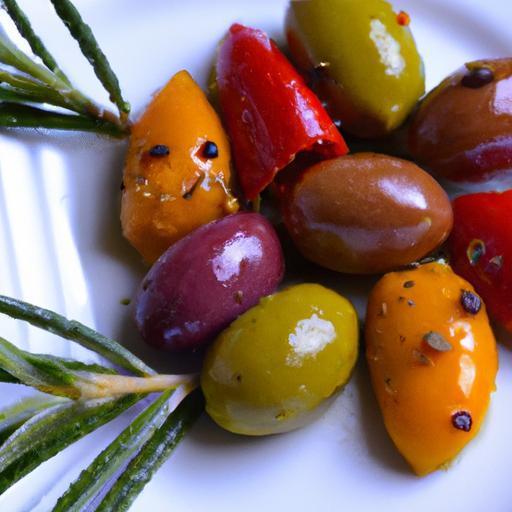
Step into a world where every bite tells a story-welcome to the enchanting realm of Moroccan spiced olives. More than just a snack, these vibrant gems unlock a tapestry of flavors born from ancient trade routes and sun-kissed groves. Infused with exotic spices and a touch of Mediterranean warmth, Moroccan spiced olives transform humble fruit into a symphony of bold, aromatic delight. In this article, we’ll explore the rich heritage, secret spice blends, and artisanal techniques that make these olives a beloved cornerstone of Moroccan cuisine-and discover why they’re captivating palates around the globe.
Unlocking Flavor in Moroccan spiced olives begins with discerning the ideal olive variety and pairing it with traditional spices that embody the soul of Moroccan cuisine. The vibrant tapestry of aroma and taste in these olives carries the warmth of bustling souks and sun-drenched terraces,making each bite a journey into North African heritage. Selecting the right olives isn’t simply about preference-it’s the foundation that elevates the infusion of key spices into an extraordinary sensory experience.
The Art of Selecting the Perfect Olives for Moroccan Spicing
When unlocking flavor in Moroccan spiced olives, the choice of olive is paramount.Opt for firm, meaty olives such as Picholine, Manzanilla, or Castelvetrano, known for their buttery texture and slight bitterness that balances robust seasonings. Green olives with a bright, slightly tart flavor soak up spices beautifully, while black olives bring a richer, earthier note. Always look for olives that are plump, intact, and free from blemishes to ensure optimum absorption and freshness throughout the infusion process.
Exploring the essential Spices that Define Moroccan Olive Flavor
The heart of Moroccan-spiced olives lies in a harmonious blend of aromatic spices. Cumin infuses earthy warmth, while coriander seeds add citrusy brightness. Smoked paprika lends depth and a gentle smoky kiss, balanced by sweet cinnamon’s subtle warmth. Don’t overlook crushed dried rose petals or preserved lemon zest; these provide that unmistakably Moroccan floral and tangy lift. Fresh garlic and fiery harissa paste amplify the intensity, rounding out the spice profile to perfection when combined.
Step-by-Step Guide to Infusing Olives with Traditional Moroccan Aromas
Follow this guide to masterfully infuse olives with classic Moroccan aromas and unlock layers of flavor that awaken the palate.
Prep and Cook Time
- Readiness Time: 15 minutes
- Marination Time: Minimum 24 hours (preferably 48 hours)
- Total Time: Approximately 2 days
Yield
About 2 cups of Moroccan spiced olives, serving 4-6 as an appetizer or condiment.
Difficulty Level
Easy - Ideal for cooks of all skill levels looking to expand their flavor repertoire.
Ingredients
- 2 cups green olives (preferably Picholine or castelvetrano), pitted
- 4 cloves garlic, thinly sliced
- 1 tsp ground cumin
- 1 tsp smoked paprika
- 1 tsp coriander seeds, lightly crushed
- ½ tsp ground cinnamon
- 1 tbsp preserved lemon peel, finely chopped
- 1 tbsp extra virgin olive oil
- ½ tsp harissa paste (optional, for heat)
- 1 tbsp chopped fresh cilantro (for garnish)
- 1 tbsp crushed dried rose petals (optional)
- Freshly cracked black pepper, to taste
Instructions
- Rinse and Drain: Rinse olives under cold water to remove excess brine. Pat dry thoroughly with a kitchen towel.
- Toast Spices: In a dry skillet over medium heat, lightly toast cumin and coriander seeds for 1-2 minutes until fragrant. Set aside to cool.
- Combine Ingredients: In a clean mixing bowl, add olives, toasted spices, smoked paprika, ground cinnamon, preserved lemon peel, garlic slices, and harissa paste. Gently mix to coat the olives evenly.
- Marinate: Transfer the olive mixture to a sterilized glass jar. Drizzle with extra virgin olive oil to coat all ingredients and press spices gently into the olives.
- Seal & Refrigerate: Seal jar tightly and refrigerate for at least 24 hours, preferably 48 hours, allowing the flavors to marry deeply.
- Serve: Before serving,sprinkle with fresh cilantro,crushed rose petals (if using),and freshly cracked black pepper.
- Tip: for a richer aroma,gently warm olives in a skillet over low heat for 2-3 minutes prior to serving,stirring frequently to release the spice bouquet.
Tips for Success
- Olive Varieties: Experiment with different olive types to discover your preferred balance-green for brightness or black for earthiness.
- Preserved Lemons: If unavailable, substitute with finely grated lemon zest and a splash of lemon juice for acidity.
- Spice Adjustments: Adjust harissa quantity to control heat, or swap smoked paprika for regular sweet paprika for less smokiness.
- Make ahead: These olives improve in flavor over the first three days and can be stored refrigerated for up to two weeks.
- Visual Appeal: Use a clear glass jar to display the colorful spices and olives-perfect for gifting or a vibrant addition to your pantry.
Serving Suggestions
Moroccan spiced olives shine as a tantalizing appetizer accompanied by warm pita bread or crisp Mediterranean crackers. Pair with tangy labneh drizzled in extra virgin olive oil, or accentuate a mezze platter featuring roasted red peppers, hummus, and olives for an authentic experience. Garnish with fresh herbs like cilantro or mint to brighten each bite. They also complement grilled vegetables, tagines, or couscous dishes by introducing a lively, spiced contrast that elevates the entire meal.
| Nutritional Info (per ¼ cup serving) | Calories | Protein | Carbs | Fat |
|---|---|---|---|---|
| Moroccan Spiced Olives | 120 | 1g | 3g | 11g |
Learn more about traditional Moroccan olive preparations or explore our Mediterranean spiced olive recipes for a broader flavor adventure.

Q&A
Q&A: Unlocking Flavor: The Magic of Moroccan Spiced Olives
Q1: what makes Moroccan spiced olives so uniquely flavorful?
A1: moroccan spiced olives owe their magical flavor to a vibrant blend of spices, herbs, and citrus that infuse the olives with warmth and complexity. Ingredients like cumin, coriander, paprika, preserved lemon, garlic, and fresh herbs such as thyme or oregano work together to create a symphony of tastes-earthy, tangy, and subtly smoky-all dancing on the palate.
Q2: How are these olives traditionally prepared in Morocco?
A2: Traditionally, the olives are cured and then marinated in a mixture of freshly ground spices, preserved lemon peel, garlic cloves, and olive oil. This marinade is left to mingle for days or even weeks, allowing every olive to soak up layers of flavor. The process is a slow, purposeful ritual that transforms humble olives into an irresistible snack or condiment.
Q3: Can any variety of olives be used,or are Moroccan spiced olives made with a specific type?
A3: While several types of olives can be spiced,small to medium-sized green or black olives tend to be preferred. the slightly firm texture and mild bitterness of varieties like Picholine, Arbequina, or Taggiasca create the perfect canvas for soaking up the rich Moroccan marinade.
Q4: What role does preserved lemon play in the flavor profile?
A4: Preserved lemon adds a vibrant zing and a nuanced salty-citrus depth that is distinctly Moroccan. Its mellow tartness cuts thru the richness of the olives and spices, brightening every bite with an unmistakable Mediterranean sunshine.
Q5: Are Moroccan spiced olives typically served on their own, or paired with other dishes?
A5: Moroccan spiced olives are versatile culinary gems.They shine brilliantly on their own as a flavorful appetizer or snack but can also elevate salads, couscous dishes, tagines, and even simple crusty bread. Their bold, aromatic profile adds a delightful punch wherever they appear.
Q6: How can someone recreate Moroccan spiced olives at home?
A6: to recreate these olives at home, start with good-quality cured olives, rinse if too salty, and prepare a marinade combining spices like cumin, smoked paprika, ground coriander, garlic, chopped preserved lemon, fresh herbs, and a generous drizzle of olive oil. Toss the olives in the mixture, store in an airtight container, and let them mingle in the refrigerator for at least a few days before indulging.
Q7: What cultural importance do spiced olives hold in Moroccan cuisine?
A7: Olives are a beloved staple in Moroccan kitchens, symbolizing hospitality and tradition. Spiced olives often appear on mezze platters during social gatherings,celebrations,and family meals,embodying the warmth and generosity of Moroccan hospitality infused with the region’s rich culinary heritage.
Q8: Can the spice level be adjusted to suit different palates?
A8: Absolutely! The beauty of Moroccan spiced olives is that their spice blend is highly adaptable. For a milder touch, reduce the amount of chili flakes or omit them altogether. For those who love a fiery kick, adding smoked paprika or extra chili powder turns up the heat without overwhelming the olive’s natural flavors.
Q9: What health benefits do these spiced olives offer?
A9: Beyond their captivating taste, olives and the spices used bring wonderful health benefits. Olives are rich in heart-healthy monounsaturated fats and antioxidants, while spices like cumin and coriander aid digestion, promote anti-inflammatory effects, and add to the overall nutritional value of this flavorful treat.
Q10: How do Moroccan spiced olives compare to other olive preparations from the Mediterranean?
A10: While Mediterranean olives share a common root,Moroccan spiced olives stand apart due to their bold,aromatic marinade featuring preserved lemon and an intricate spice blend. Unlike the simple brine or herb-only preparations found elsewhere, Moroccan spiced olives offer a complex layering of smoky, citrusy, and earthy notes, unveiling a unique flavor story that’s both exotic and inviting.
In Summary
As we close the jar on our journey into the world of Moroccan spiced olives, it’s clear that these humble gems are much more than a simple snack. They are a vibrant tapestry woven with centuries of tradition, fragrant spices, and the sun-drenched landscapes of the Mediterranean. Unlocking their flavor means unlocking a story – one that invites us to explore bold tastes, celebrate cultural heritage, and transform everyday moments into extraordinary experiences.So next time you reach for an olive, remember: within its glossy skin lies a magical blend of history and flavor, waiting to elevate your palate and spark your culinary imagination.