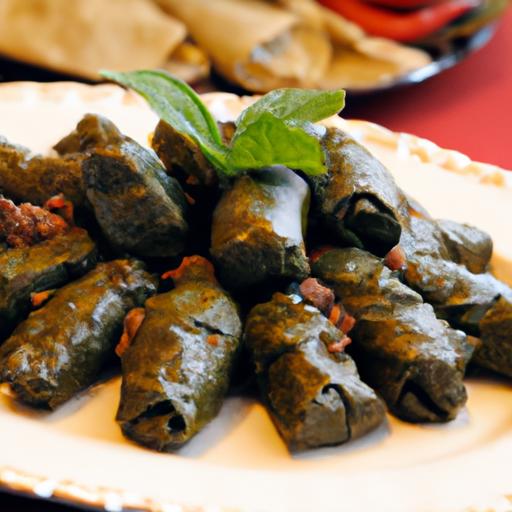


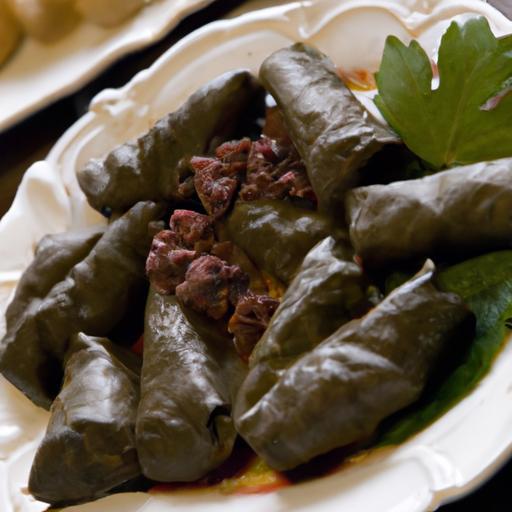
In teh world of culinary treasures, few dishes manage to marry tradition and flavour quite like stuffed grape leaves. known by many names across diverse cultures, these delicate parcels encapsulate a story of heritage wrapped in vine leaves. Today, we unravel the savory secrets behind a sumptuous variation: stuffed grape leaves filled with a luscious blend of beef and lamb.This dish not only teases the palate with its rich, aromatic filling but also invites food lovers on a journey through time-honored cooking techniques and regional influences. Join us as we explore the origins, ingredients, and preparation of this meaty delight that transforms simple grape leaves into a feast fit for kings and casual gatherings alike.
Savory Secrets: Stuffed Grape Leaves with Beef & Lamb Delight
Discover the exquisite harmony of flavors when combining beef and lamb in a classic Mediterranean delight. This recipe brings together the savory richness of two meats, wrapped meticulously in tender grape leaves, capturing centuries of culinary tradition while delivering a dish that’s as visually stunning as it is appetizing. Whether you’re a seasoned cook or an adventurous beginner,mastering this stuffed grape leaves recipe promises not only a feast for yoru taste buds but also a deeply satisfying cooking experience.
Prep and Cook time
- Preparation: 40 minutes
- Cooking: 1 hour 15 minutes
- Total Time: 1 hour 55 minutes
Yield
- Servings: 6
Difficulty Level
- Medium: Requires some patience and technique but accessible for all skill levels
Ingredients
- 500g ground beef (preferably 80% lean for rich flavor)
- 400g ground lamb (offers juicy depth)
- 1 cup long-grain rice (rinsed and drained)
- 1 large onion, finely chopped
- 3 cloves garlic, minced
- 1/2 cup fresh parsley, chopped
- 1/4 cup fresh mint, finely chopped
- 2 tablespoons pine nuts (toasted)
- 1 tablespoon tomato paste
- 1 teaspoon ground cumin
- 1 teaspoon ground cinnamon
- Salt and freshly ground black pepper, to taste
- About 50 grape leaves, jarred or fresh
- juice of 2 lemons
- 3 cups vegetable broth (or chicken broth substitute)
- 2 tablespoons olive oil
Instructions
- Preparing the Filling: In a large skillet, heat 1 tablespoon olive oil over medium heat. Add chopped onion and minced garlic. Sauté until soft and translucent, about 5 minutes, stirring often to avoid browning.
- Mixing Meats and Rice: In a large bowl, combine the sautéed onion and garlic with ground beef, ground lamb, rinsed rice, chopped parsley, mint, pine nuts, tomato paste, cumin, cinnamon, salt, and pepper. Mix gently but thoroughly using your hands or a spoon until well blended. Set aside to allow flavors to meld.
- Selecting and Preparing Grape Leaves: If using jarred grape leaves, carefully rinse them under cold water to remove brine and drain well. For fresh leaves, blanch in boiling water for about 1 minute and instantly transfer to ice water, then drain. Carefully pat leaves dry to ensure thay are supple and easy to roll.
- Rolling the Grape Leaves: Lay one grape leaf with the stem end facing you. Place about one tablespoon of filling near the stem. Fold the sides over the filling and roll tightly away from you, like a burrito. Repeat until filling is used.
- Layering and Cooking: In a large pot, drizzle 1 tablespoon of olive oil and spread a few whole grape leaves on the bottom to prevent sticking. Arrange stuffed rolls seam-side down in tight, close layers.Pour lemon juice and vegetable broth over the rolls until just covered. Place a weighted plate on top to keep rolls compressed during cooking.
- Simmering: Bring to a gentle simmer over medium heat, cover, and cook for 1 hour until rice and meats are tender and flavorful. Avoid stirring to keep rolls intact.
- Resting: Remove pot from heat, let rest for 15 minutes with lid on. This step enhances texture and allows residual cooking.
- Serving: Carefully transfer rolls to a serving dish, drizzle with a little extra lemon juice and olive oil. garnish with fresh herbs like parsley or mint.
Tips for Success
- Meat Balance: Using both beef and lamb gives a layered flavor; lamb brings richness while beef adds structure. For leaner options,substitute half the beef with extra lamb or vice versa.
- rice Prep: Rinsing the rice removes excess starch for a lighter filling texture.
- Leaf Tenderness: Proper blanching or rinsing of grape leaves ensures effortless rolling and a tender bite without bitterness.
- Rolling Technique: rolling tightly but not overly compact allows rice to expand without bursting leaves.
- make-Ahead: Stuffed grape leaves can be prepared a day ahead and refrigerated, allowing flavors to deepen before cooking.
- Storage: Leftovers keep well refrigerated in an airtight container for up to 3 days, and freeze beautifully for up to 2 months.
Serving Suggestions and Pairings
Elevate your stuffed grape leaves experience with complimentary sides and vibrant garnishes:
- Yogurt sauce: Serve with a dollop of cool tzatziki or plain Greek yogurt mixed with fresh dill and lemon zest for refreshing creaminess.
- Fresh Salad: A crisp,tangy salad of cucumbers,tomatoes,and red onion dressed in lemon vinaigrette balances the hearty rolls.
- Pickled Vegetables: Brighten your plate with tart pickled peppers or turnips to contrast savory richness.
- Warm Pita Bread: Soft, toasted pita slices work beautifully for scooping or wrapping extra filling.
- Herb Garnish: Sprinkle chopped parsley and mint atop the dish for fresh fragrance and vibrant color.

Nutritional Facts (per serving)
| Calories | Protein | Carbs | Fat |
|---|---|---|---|
| 320 kcal | 22g | 28g | 14g |
Enhance your culinary repertoire with our mediterranean Pita and Dips Collection, perfect companions to this dish. For deeper insight into grape leaf preparation techniques, visit the extensive guide at Serious Eats.
Q&A
Q&A: Savory Secrets – Stuffed Grape Leaves with Beef & lamb Delight
Q1: What makes stuffed grape leaves such a beloved dish across cultures?
A1: Stuffed grape leaves hold a treasured place in many culinary traditions because of their perfect harmony between tender, leafy greens and rich, flavorful fillings. The unique combination of textures-a delicate,slightly tangy wrap enclosing a savory,aromatic center-makes every bite a festivity of heritage and taste. It’s a dish that invites sharing, storytelling, and savoring memories wrapped in every leaf.
Q2: Why combine both beef and lamb in the filling?
A2: Combining beef and lamb brings together the best of both worlds-the hearty, familiar richness of beef with the tender, slightly gamey depth of lamb. This duo creates a bold yet balanced flavor profile that elevates the stuffing beyond a simple meat filling. The blend also adds texture contrast, making the stuffed grape leaves delightfully succulent and satisfying.
Q3: What key spices and herbs are essential in creating the perfect beef and lamb filling?
A3: A fragrant mix of warm spices and fresh herbs is essential.Think cinnamon and allspice for subtle warmth, cumin for earthiness, and a touch of nutmeg for depth. Fresh parsley and mint add brightness and a refreshing lift, while garlic and onions build a savory backbone. the secret is in balancing these flavors,so none overpower the others,but instead,weave a tapestry of taste that complements the grape leaves.
Q4: How should the grape leaves be prepared before stuffing?
A4: Grape leaves need gentle preparation to ensure they’re pliable and tender. Typically, they’re briefly blanched or soaked in hot water to remove excess saltiness and soften their texture.Careful handling is key-they should be supple enough to roll without tearing, holding the filling snugly inside while cooking.
Q5: Are there vegetarian options inspired by this recipe?
A5: Absolutely! While beef and lamb create a luxe filling, stuffed grape leaves can shine with alternatives like a hearty mixture of rice, pine nuts, sautéed mushrooms, and aromatic herbs. incorporating spices like smoked paprika and sumac can impart complexity,offering a vibrant,satisfying vegetarian twist without sacrificing any of the savory charm.
Q6: What cooking method ensures the best texture and flavor for stuffed grape leaves?
A6: Slow simmering is the culinary secret. Once rolled, the stuffed leaves are gently packed in a pot, often layered with lemon slices or a light tomato sauce for extra zing. The simmering process allows the flavors to meld beautifully, keeps the leaves tender yet intact, and infuses the filling with moisture and aroma, resulting in tender, flavorful delights.
Q7: How can stuffed grape leaves be served to highlight their unique flavors?
A7: These savory parcels are versatile on the table. Serve them warm with a drizzle of tangy yogurt or a squeeze of fresh lemon to contrast the richness. They also shine cold as part of a mezze spread, accompanied by fresh vegetables, olives, and crusty bread. Pairing them with crisp herbs like dill or mint enhances their freshness, creating a vibrant and balanced dining experience.
Q8: What cultural importance do stuffed grape leaves carry?
A8: Stuffed grape leaves are more than just food-they are edible heritage. Across the Mediterranean and Middle Eastern regions, they symbolize hospitality, familial bonds, and culinary craftsmanship. Frequently enough made for festive gatherings, they embody the love and effort poured into customary cooking, connecting generations through shared flavors and time-honored rituals.
In retrospect
As the warm aroma of tender beef and lamb mingling with fragrant herbs slowly fades, the savory secrets of stuffed grape leaves remain firmly etched in our culinary memories. This timeless dish, steeped in tradition yet bursting with bold flavors, invites us to savor not just a meal but a story-one of craftsmanship, culture, and shared delight. Whether you’re a seasoned home cook or an adventurous foodie, embracing the art of these delicate parcels opens a delicious gateway to the rich tapestry of Mediterranean and Middle Eastern cuisine. So next time you unwrap a grape leaf, remember: you’re not just tasting a dish-you’re discovering a savory secret passed down through generations, now ready to become part of your own table’s legacy.