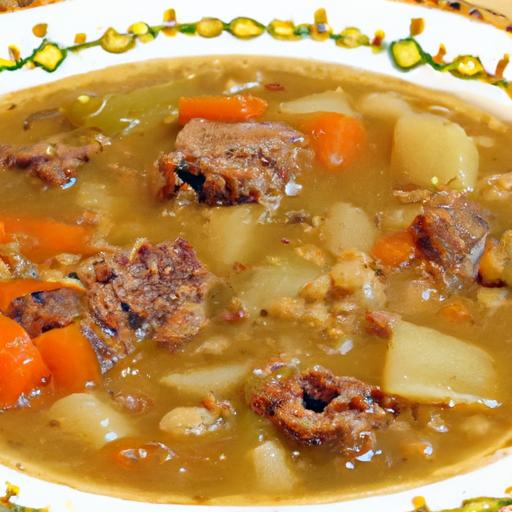


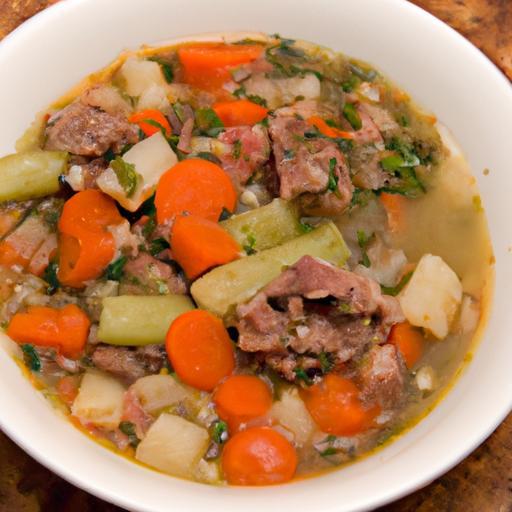
There’s something undeniably comforting about a steaming bowl of Hearty Beef and Barley Soup-a timeless classic that wraps you in warmth with every spoonful. Combining tender chunks of beef,wholesome barley,and a bouquet of garden-fresh vegetables,this soup is more than just a meal; it’s a nostalgic embrace on a chilly day. Rooted in rustic traditions and beloved across cultures, beef and barley soup has stood the test of time as a nourishing, satisfying dish that brings both flavor and comfort to the table. In this article, we’ll explore the origins, essential ingredients, and simple steps to create your own pot of this soul-soothing favorite. Whether you’re seeking a cozy dinner or a hearty lunch,prepare to discover why this classic recipe continues to capture hearts and satisfy appetites around the world.
Selecting the Perfect Cut of Beef for Rich Flavor and Tender Texture
Creating a truly memorable hearty beef and barley soup begins with selecting the ideal cut of beef to achieve both depth of flavor and melt-in-your-mouth tenderness. Choosing the right beef transforms this classic comfort recipe from ordinary to extraordinary. Cuts like chuck roast, brisket, or short ribs offer robust marbling and connective tissue that slow-cook beautifully, infusing the broth with rich, savory notes while breaking down into tender morsels.
Chuck is often the go-to for stew and soup due to its balance of flavor, tenderness, and budget-friendliness. Brisket offers a slightly leaner profile but boasts a dense, beefy taste, while short ribs add luxurious fattiness and succulence. When purchasing, seek well-marbled meat with a deep red hue. Avoid overly lean cuts like sirloin or round-they cook faster but can become tough and dry, detracting from the soup’s comforting texture.
Look for beef labeled as “suitable for braising” or “stew meat” at your butcher or local market, and don’t hesitate to ask for advice on the freshest or moast flavorful options available. When prepping your soup, cutting the beef into uniform 1-inch cubes ensures even cooking and a satisfying bite every spoonful.
The Nutritious Powerhouse: Why Barley Elevates Your Soup
the humble grain barley is more than just a filler – actually,it’s a nutritional superstar that elevates your hearty beef and barley soup to new heights of wholesomeness and satisfaction. Barley’s hearty chew and nutty flavor complement tender beef perfectly, creating a well-rounded mouthfeel and grounding the dish with its earthy undertones.
Rich in fiber, particularly the soluble kind which helps regulate digestion, barley also boasts essential vitamins like niacin and minerals such as selenium and magnesium. These nutrients support heart health, immune function, and steady energy release – perfect for a cozy bowl that warms body and soul.
As barley simmers gently in the broth,it releases subtle starches that thicken the soup naturally,lending a luscious texture without any artificial additives. The slow absorption of flavors allows each spoonful to burst with the combined essence of beef, vegetables, and herbs. Incorporating barley into your soup effortlessly transforms it into a balanced meal that satisfies both appetite and nutrition.
Step by Step Guide to Balancing Broth and Seasonings for deep Comfort
Mastering the broth is the heart of this hearty beef and barley soup. Achieving richness and harmony requires both patience and simple layering techniques. Start by sautéeing aromatic vegetables like onions, carrots, and celery until soft and golden. This base releases natural sweetness, anchoring the flavor profile.
- Browning the beef: After patting your beef cubes dry, brown them in batches over medium-high heat until a deep mahogany crust forms.This caramelization adds complexity – don’t skip it.
- Deglazing: use a splash of hot beef broth or water to loosen browned bits stuck to the pot bottom; these bits pack tons of umami.
- Layering herbs and spices: Include fresh thyme,bay leaves,and cracked black pepper early,so the long simmer extracts their subtle notes. Avoid overpowering with salt before reduction; adjust towards the end.
- Simmer with patience: Slow and steady heat breaks down beef collagen, releasing gelatin that enriches the broth’s body and mouthfeel.
- Barley timing: Add barley halfway through the cooking to ensure it cooks tender without turning mushy.
- Final adjustment: Taste after barley has softened. Add finishing touches of salt, freshly cracked black pepper, or a squeeze of lemon juice for brightness and balance.
Keep in mind, less is often more with seasoning, allowing the beef’s natural flavor to shine through enhanced but never masked by spices.
Expert Tips for Enhancing and Storing Your Hearty Beef and Barley Soup
Elevate your soup-making experience by incorporating these pro tips for flavor and longevity. First, consider adding a small diced potato or parsnip along with the traditional mirepoix for an earthier depth and slightly creamy mouthfeel. For added umami without alcohol, a touch of tomato paste roasted with the beef or a splash of soy sauce provides subtle richness.
If you like a fresh herbal lift, sprinkle chopped parsley or chives just before serving. For a creamy finish,stir in a dollop of plain Greek yogurt or crème fraîche right in the bowl.
When it comes to storage, this soup is a superstar.It freezes beautifully in airtight containers for up to 3 months-portion individually for easy meal prep. When reheating, add a splash of broth or water to loosen the barley, as it continues to absorb liquid in the fridge.Refrigerate leftovers for up to 4 days, reheating gently on the stove to preserve texture and taste.
to maintain peak freshness, store fresh herbs separately and add just before serving. Use glass or BPA-free containers to avoid flavor transfer, and cool your soup quickly after cooking to keep it safe and vibrant.
Prep and Cook Time
- Prep Time: 20 minutes
- Cook Time: 2 hours 15 minutes
- Total Time: 2 hours 35 minutes
Yield
- 6 generous servings
Difficulty Level
- Medium – requires simmering patience and layering flavors
Ingredients
- 1½ pounds chuck roast, cut into 1-inch cubes
- 1 cup pearl barley, rinsed
- 2 tablespoons olive oil
- 1 large onion, diced
- 3 medium carrots, peeled and diced
- 2 celery stalks, diced
- 3 cloves garlic, minced
- 8 cups beef broth, low-sodium preferred
- 2 sprigs fresh thyme
- 2 bay leaves
- Salt and freshly ground black pepper, to taste
- 1 tablespoon tomato paste
- Optional: chopped fresh parsley or chives for garnish
Instructions
- Prep the beef: Pat the beef cubes dry using paper towels to ensure even browning. Season lightly with salt and pepper.
- Sauté aromatics: Heat olive oil in a large heavy-bottomed pot over medium heat. Add onions, carrots, celery and cook until softened and translucent, about 6-8 minutes.
- Braise the beef: Increase heat to medium-high. Add beef in batches,avoiding overcrowding,and brown on all sides until color deepens to golden brown crust,about 5 minutes per batch. Remove browned beef and set aside.
- Add garlic and tomato paste: Stir garlic and tomato paste into the softened vegetables. Cook 1-2 minutes until fragrant and tomato paste darkens slightly.
- Deglaze the pot: Pour ½ cup of hot beef broth into the pot, scraping the bottom to loosen browned bits (fond) for maximum flavor.
- return beef and add broth: Return all browned beef to the pot. pour in the remaining beef broth along with thyme sprigs and bay leaves.
- Simmer gently: Bring soup to a low boil, then reduce heat to low. Cover partially and simmer for 1 hour 15 minutes, stirring occasionally.
- Add barley: Stir in rinsed pearl barley, cover again, and simmer an additional 45 minutes to 1 hour, or until barley is tender and beef is fork-soft.
- Season and finish: Remove thyme sprigs and bay leaves. Adjust salt and pepper to taste. If desired, add a splash of fresh lemon juice to brighten flavors.
- Serve: Ladle hot soup into bowls and garnish with fresh parsley or chives for a vibrant finish.
chef’s Notes
- Variations: Swap barley for farro or brown rice for a different nutty profile and texture.
- Make-ahead: This soup tastes even better the next day, as flavors have more time to marry.
- Thickness adjustment: Add extra broth if you prefer a thinner consistency or cook uncovered 10 minutes longer for a thicker stew-like texture.
- Slow cooker method: Brown beef and sauté veggies on the stove, then transfer all ingredients to slow cooker. Cook on low for 7-8 hours, adding barley in the last hour.
- Troubleshooting: If barley absorbs too much liquid, keep extra broth or stock on hand to maintain desired soup consistency.
Serving suggestions
Present your soup in warm, rustic bowls. Offer thick slices of crusty whole-grain bread or buttered sourdough on the side to soak up the luscious broth. A simple green salad with a tangy vinaigrette cuts through the richness beautifully. For garnish, sprinkle freshly chopped parsley or a few drops of good-quality extra virgin olive oil for a glossy finish. A cracked black pepper mill at the table invites guests to adjust seasoning to their liking.

| Nutrient | Amount per serving |
|---|---|
| Calories | 350 kcal |
| Protein | 35 g |
| Carbohydrates | 27 g |
| Fat | 12 g |
For additional hearty soup inspiration, check out our Classic beef Stew Recipe. To learn more about barley’s nutritional benefits, visit The World’s Healthiest Foods.
Q&A
Q&A: Hearty Beef and Barley Soup - A classic Comfort Recipe
Q1: What makes beef and barley soup such a beloved comfort food?
A1: The magic of beef and barley soup lies in its perfect harmony of rich,savory flavors and satisfying textures. Tender chunks of beef meld with nutty, chewy barley and wholesome vegetables to create a bowl that feels like a warm hug on a chilly day. it’s not just a meal-it’s a soothing experience that nourishes both body and soul.
Q2: Why is barley used in this soup rather of other grains?
A2: Barley is a superstar in the soup world thanks to its hearty texture and subtle, slightly nutty flavor. Unlike rice or pasta, barley holds up beautifully during long simmering, adding a wholesome bite and extra fiber that boosts the soup’s nutritional value. It’s the perfect underground gem to uplift this classic recipe.Q3: Can I make this soup in advance, and how shoudl I store it?
A3: Absolutely! Beef and barley soup often tastes even better the next day as the flavors deepen and meld. Store leftovers in an airtight container in the refrigerator for up to 3-4 days. When reheating, add a splash of broth or water if it’s too thick to bring it back to its luscious, comforting consistency.
Q4: What cuts of beef work best for this hearty soup?
A4: For that melt-in-your-mouth tenderness, tough cuts like chuck roast or beef stew meat are top picks. These cuts benefit from slow simmering, breaking down connective tissues and infusing the broth with rich, beefy goodness without becoming stringy. Plus, they’re budget-friendly, making hearty comfort accessible for all.
Q5: Are there vegetarian alternatives to barley in this soup?
A5: While barley is plant-based and vegetarian-friendly itself, the soup’s soul comes from the beef broth and meat. However, if you’re seeking a vegetarian twist, you can replace barley with hearty grains like farro, barley’s nutty cousin, or even pearl couscous, combined with robust vegetable broth and mushrooms for umami richness.
Q6: How can I enhance the flavor profile without adding complexity?
A6: Simple additions like a bouquet garni (a bundle of herbs such as thyme, bay leaf, and parsley), a splash of soy sauce or Worcestershire sauce (check for vegetarian-friendly options if desired), and freshly ground black pepper can elevate the soup’s depth effortlessly. A squeeze of fresh lemon juice at the end can brighten the whole bowl with a hint of freshness.
Q7: What vegetables complement beef and barley soup best?
A7: Traditional veggies that shine here include carrots, celery, onions, and garlic-they build the aromatic foundation of the broth. Adding mushrooms or parsnips can introduce an earthy twist, while diced tomatoes add subtle acidity. This medley ensures each spoonful offers a delightful, layered flavor experience.
Q8: Can I freeze beef and barley soup?
A8: freezing is a fantastic way to preserve this comforting meal. Let the soup cool wholly before transferring it to freezer-safe containers. When reheating, defrost overnight in the fridge and warm gently on the stove, stirring occasionally. Keep in mind barley can sometimes become a bit soft after freezing,but the overall warmth and flavor remain intact.
Q9: Is beef and barley soup suitable for meal prep?
A9: Definitely. Its balanced nutrition, filling nature, and ability to maintain flavor make it ideal for preparing ahead and packing for lunches or quick dinners.Divide portions into containers, refrigerate or freeze according to your schedule, and you’ll have a wholesome, satisfying meal ready whenever hunger strikes.
Q10: What is the historical origin of beef and barley soup?
A10: Beef and barley soup has roots in many cultures renowned for hearty, nurturing dishes-particularly in Northern Europe where barley is a staple grain.Traditionally, it was a way to stretch limited resources and create a nourishing meal from simple ingredients. Today, it remains a timeless comfort food cherished around the world for its honest, homey goodness.
Final Thoughts
As the final spoonful warms your soul and lingers on your palate, it’s clear that hearty beef and barley soup is more than just a meal-it’s a timeless embrace in a bowl. combining robust flavors with nourishing ingredients, this classic comfort recipe stands as a testament to the power of simple, thoughtful cooking. Whether enjoyed on a chilly evening or anytime you crave a taste of home, this soup invites you to slow down, savor the moment, and remember that sometimes, the most satisfying dishes are those rooted in tradition and hearty goodness. So next time you seek warmth and wholesomeness, let this beef and barley broth be your culinary refuge.