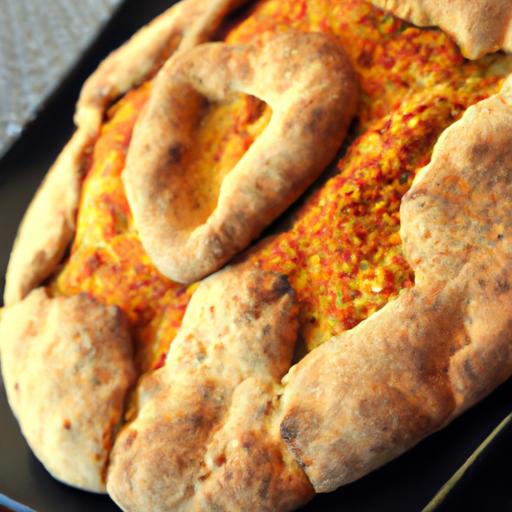


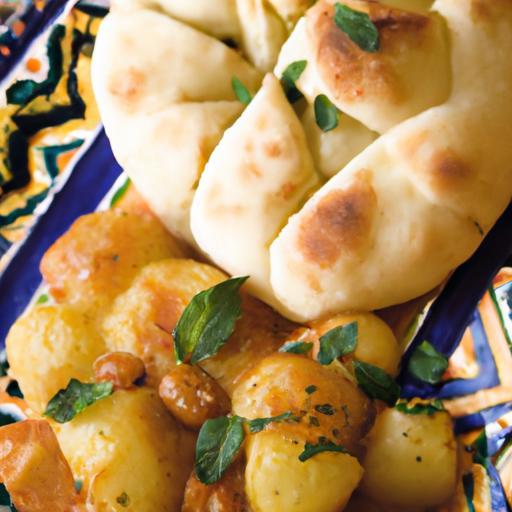
Beneath the sun-drenched skies of Morocco, where ancient medinas hum with life and aromatic spices weave tales of history, lies a culinary treasure often overlooked yet deeply cherished: semolina bread. Known for its golden crust and tender crumb, this humble staple is more than just nourishment-it is indeed a symbol of heritage, craftsmanship, and communal warmth. In “Golden Delight: Exploring Moroccan Semolina Bread Traditions,” we embark on a flavorful journey thru the heart of Morocco’s bakeries and kitchens, uncovering the timeless techniques, regional variations, and cultural stories that make this bread not only a daily delight but a golden thread in the tapestry of Moroccan identity.
Golden Delight: Exploring Moroccan Semolina Bread Traditions invites you to embark on a culinary journey steeped in rich heritage and timeless flavors.This beloved bread, cherished across Moroccan households, is more than just a staple-it’s a symbol of hospitality, community, and artisanal mastery. Crafted from semolina flour, its golden crust and tender crumb owe their charm to ancient techniques passed down through generations. My first encounter with this bread in a bustling Marrakech market was unforgettable: the warm aroma, the rhythmic sounds of bakers stamping dough, and the golden discs fresh from the oven showed me that Moroccan semolina bread is truly a golden delight.
Prep and Cook Time
- Preparation: 20 minutes
- Proofing: 1 hour 15 minutes
- Cooking: 20 minutes
- Total Time: Approximately 1 hour 55 minutes
Yield
Yields 2 medium-sized round loaves, perfect for 6 to 8 servings.
difficulty Level
Medium – ideal for home bakers ready to embrace authentic techniques with approachable steps.
Ingredients
- 2 cups fine semolina flour
- 1 cup all-purpose flour, sifted
- 1 teaspoon active dry yeast
- 1 tablespoon sugar
- 1 teaspoon fine sea salt
- 1 1/4 cups warm water (110°F / 43°C)
- 3 tablespoons olive oil
- 1 teaspoon nigella seeds (optional for garnish)
- Extra semolina flour for dusting
Instructions
- Activate the yeast: In a small bowl, combine warm water, sugar, and yeast. Stir gently and let it sit for 8-10 minutes until frothy, signaling the yeast is alive and active.
- Mix dry ingredients: In a large mixing bowl, whisk together semolina flour, all-purpose flour, and salt until evenly combined.
- Combine and knead: Pour the activated yeast mixture and olive oil into the dry ingredients. Stir with a wooden spoon until dough begins to form. Lightly flour your workspace and knead the dough for 10 minutes until it’s elastic yet slightly tacky. If dough sticks too much, dust your hands with additional semolina.
- First rise: Shape the dough into a ball and place it in a lightly oiled bowl. Cover with a clean kitchen towel or plastic wrap.Let it rise in a warm place for about 1 hour, or until it doubles in size.
- Shape the loaves: Gently deflate the dough and divide it in two. Form each portion into a round, slightly flattened disc approximately 8 inches in diameter. Lightly dust a baking sheet with semolina and place the discs on it.
- Score and decorate: Using a sharp knife, make a shallow decorative pattern on top of each loaf-traditionally a star or diamond shape. Lightly brush tops with olive oil and sprinkle nigella seeds for authentic flair.
- Second rise: Cover the loaves loosely with a towel and let rise another 30 minutes to 45 minutes, until slightly puffed.
- Bake to golden perfection: Preheat your oven to 425°F (220°C). Place a shallow pan of water at the base of the oven to create steam-this helps develop the signature crust. Bake the breads on the middle rack for 20 minutes or until they are golden-brown and sound hollow when tapped.
- Cool and serve: Remove from oven and transfer to a wire rack.Let cool for at least 15 minutes before slicing to preserve crumb texture.
- Enjoy: experience the rustic crunch of the crust and the tender crumb inside. Each bite embodies the traditions and flavors of Morocco’s baking heritage.
tips for Success
- Warm water is key: Ensure the water is warm, not hot, to preserve yeast life. A thermometer can help hit the perfect temperature.
- Kneading matters: Don’t rush the kneading process; it develops gluten for a bread that’s airy but holds its shape beautifully.
- Steam your oven: Introducing steam during baking gives the bread a glossy crust and distinctive crunch.
- Storage: Keep the bread wrapped in a clean linen towel at room temperature for up to 2 days. For longer storage,freeze tightly wrapped and reheat in the oven.
- Nigella seeds: While optional, thes tiny black seeds add an earthy, slightly oniony flavor and an attractive finish.
Serving Suggestions
Moroccan semolina bread is wonderfully versatile. Serve it warm alongside fragrant chicken tagine with apricots for an authentic experience. Tear off chunks to scoop up hearty stews or dips like harissa or zaalouk. For breakfast,pair slices with olive oil and honey or alongside mint tea for an inviting morning ritual. Garnish with a sprinkle of fresh herbs or a drizzle of argan oil to elevate presentation and flavor.

| Nutrient | Per Serving (1/8 loaf) |
|---|---|
| Calories | 160 kcal |
| Protein | 5g |
| Carbohydrates | 32g |
| Fat | 3g |
Discover more about Moroccan cooking traditions and recipe ideas on Britannica’s Moroccan cuisine page.
Q&A
Q&A: Golden Delight: Exploring Moroccan Semolina Bread Traditions
Q1: What makes Moroccan semolina bread unique compared to other breads?
A1: Moroccan semolina bread, often known as Khobz, stands out for its golden crust and slightly chewy texture, thanks to the use of fine semolina flour. This ingredient gives the bread a distinctive nutty aroma and a subtle sweetness that elevates it beyond ordinary white bread. Unlike typical loaves, it is traditionally baked in communal ovens and often shaped into large, round discs perfect for tearing and sharing.
Q2: How is Moroccan semolina bread traditionally prepared?
A2: The process begins with mixing semolina flour, water, salt, and yeast to create a lively dough. After kneading and letting it rise, the dough is shaped into thick, round loaves. Traditionally, the surface is often decorated with intricate patterns using a special comb called a chechia. The bread is then baked in clay ovens or on hot stones, lending it a delightful crusty exterior.
Q3: What cultural roles does semolina bread play in Moroccan life?
A3: Semolina bread is more than sustenance in Morocco-it is a symbol of hospitality and community. Bread is central to every meal and often used as an edible utensil to scoop up tagines, salads, and dips. Sharing bread is a gesture of friendship and respect, deeply embedded in Moroccan social customs and festive gatherings.
Q4: Are ther regional variations in moroccan semolina bread?
A4: Absolutely! While the baseline recipe remains consistent, regions add subtle twists.For example, in some areas, the dough might be enriched with olive oil or sprinkled with sesame seeds for extra flavor and texture. in mountain villages, breads tend to be denser and heartier, reflecting the rugged terrain, whereas coastal regions might showcase lighter, airier versions.
Q5: Can Moroccan semolina bread be paired with certain dishes or flavors?
A5: Moroccan semolina bread pairs beautifully with the robust and aromatic flavors of Moroccan cuisine-think hearty tagines, zesty salads, and rich dips like zaalouk or taktouka. Its slightly sweet and nutty profile also complements savory stews and spicy harissa-based dishes, making each bite a harmonious blend of textures and tastes.
Q6: How can someone at home replicate the customary Moroccan semolina bread experience?
A6: To capture the essence of Moroccan semolina bread, start with high-quality semolina flour and allow the dough plenty of time to rise, which develops its texture and flavor. Using a cast-iron skillet or stoneware for baking can mimic the effect of a clay oven. Don’t forget to finish with a sprinkle of sesame seeds and that signature comb pattern to bring a touch of Morocco’s artistry to your kitchen.
Q7: Why is semolina particularly favored in Moroccan bread-making?
A7: Semolina flour, made from durum wheat, offers a coarser grind and higher protein content, which results in a bread with a robust structure and a subtle earthy flavor. Its natural golden hue lends the bread its “golden delight” appearance, while its texture provides a slightly crunchy crust that contrasts beautifully with the soft, airy crumb inside.
Q8: How does the baking method influence the taste and texture of the bread?
A8: Baking Moroccan semolina bread in traditional clay ovens or on hot stones creates a radiant, even heat that crisps the crust perfectly without drying out the interior. This method imparts a lightly smoky, baked aroma, enhancing the bread’s rustic appeal. The quick high heat seals in moisture, ensuring each loaf remains tender inside with a satisfyingly crunchy exterior.
Q9: what importance does the decorative pattern on Moroccan semolina bread hold?
A9: The patterns etched on the bread surface are not merely ornamental-they reflect centuries-old traditions and regional identities. Using a small comb or fork, bakers imprint lines or motifs that allow steam to escape during baking and add aesthetic charm. These designs also serve as a subtle signature, honoring the artisan’s skill and the cultural heritage behind each golden loaf.
Q10: How is Moroccan semolina bread enjoyed throughout the day?
A10: From breakfast to dinner, this bread is a versatile companion. It starts the day accompanying sweet honey or olive oil for dipping, transitions to scooping up savory tagines and fresh salads at lunch, and ends the day wrapped around spicy stews or enjoyed alongside olives and preserved lemons. Its firm yet tender texture makes it ideal for soaking up the rich flavors that define Moroccan cuisine.
In Retrospect
as the warm,golden crust of Moroccan semolina bread fades from the oven into your hands,it carries with it centuries of tradition,culture,and craftsmanship. This humble yet grand bread is more than just nourishment-it’s a delicious bridge connecting past and present,family and community,earth and table.Whether enjoyed fresh at a bustling Marrakech market or shared during a quiet moment at home, Moroccan semolina bread invites us to savor not only its rich flavors but also the stories woven into every crumb. In exploring these golden delights, we uncover a timeless culinary heritage that continues to rise, warm, and inspire.