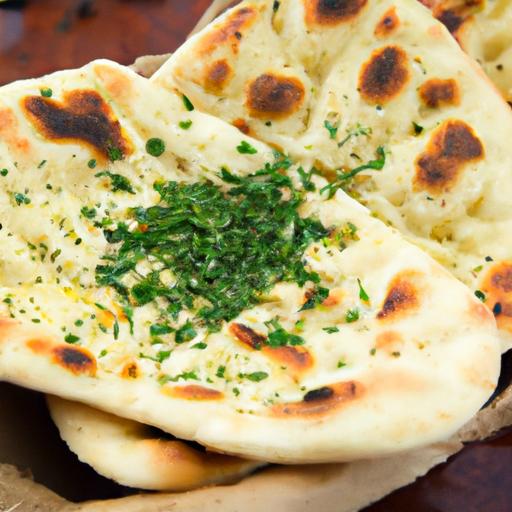


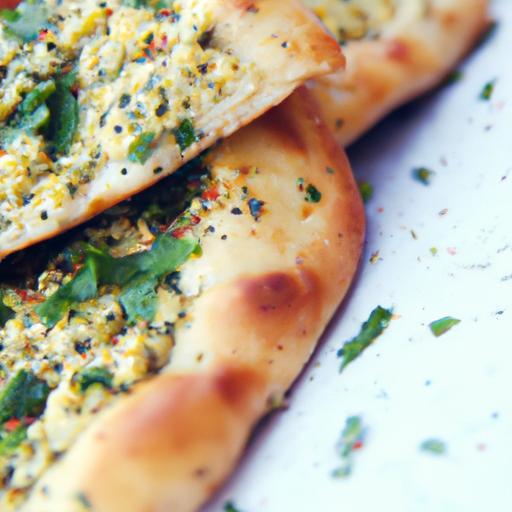
In the rich tapestry of Middle Eastern cuisine, few dishes evoke the warmth of tradition and the vibrancy of flavor quite like zaatar flatbread with cheese. This humble yet irresistible delicacy blends the aromatic earthiness of zaatar-a fragrant herb blend steeped in centuries of culture-with the creamy indulgence of melted cheese,all nestled within a soft,golden flatbread. Whether enjoyed as a comforting breakfast, a satisfying snack, or a convivial appetizer, zaatar flatbread with cheese offers a taste experience that is both timeless and uniquely inviting, inviting food lovers around the world to savor a slice of the Levantine heritage.
Zaatar flatbread with cheese is an irresistible Middle Eastern delight that has traveled through centuries, connecting cultures with its vibrant aroma and comforting flavors. Rooted deeply in Levantine tradition, this simple yet exquisite dish showcases the earthy blend of zaatar-an ancient herb mix-and creamy cheese nestled on warm, pillow-soft flatbread. My first experience tasting zaatar flatbread with cheese was in a bustling market in Beirut, where the air was thick with the scent of freshly ground herbs and bubbly, toasty breads.Since then, it has become a beloved staple in my kitchen, offering a perfect balance between tangy, herbal intensity and smooth dairy richness.
Prep and Cook Time
- Preparation: 15 minutes
- Cooking: 20 minutes
- Total: 35 minutes
Yield
Serves 4 generously
Difficulty level
Easy to Medium – perfect for beginners and seasoned cooks alike
Ingredients
- For the Dough:
- 2 cups all-purpose flour, sifted
- 1 tsp active dry yeast
- 3/4 cup warm water (110°F / 45°C)
- 1 tbsp olive oil, plus extra for brushing
- 1 tsp salt
- for the Zaatar Topping:
- 3 tbsp zaatar spice blend (thyme, sumac, sesame seeds)
- 3 tbsp olive oil
- for the Cheese Filling:
- 1 cup akkawi cheese or mozzarella, shredded or sliced thinly
Instructions
- Activate the yeast: In a small bowl, combine the warm water and yeast. Let it sit for 5-7 minutes until frothy and bubbly, indicating that the yeast is alive.
- Make the dough: In a large mixing bowl, whisk the flour and salt. Create a well in the center,then add the yeast mixture and olive oil.Stir with a wooden spoon until it begins to form a dough.
- Knead: Transfer dough to a lightly floured surface. Knead vigorously for 8-10 minutes until smooth and elastic. If the dough feels sticky, sprinkle a little more flour but keep it soft.
- Let it rise: Place the dough in a lightly oiled bowl, cover with a damp cloth, and let it rise in a warm spot for 1 hour or until doubled in size.
- Prepare zaatar mixture: Stir together the zaatar spice blend and olive oil in a small bowl to create a spreadable paste.
- Preheat your oven: Set your oven to 475°F (245°C) with a baking stone or inverted baking tray inside to heat up.
- Shape the flatbreads: punch down the dough gently and divide into four equal portions. Roll each into a 7-8 inch oval or circle on a floured surface.
- Assemble: Place one dough round on a parchment-lined baking tray. Brush generously with the zaatar-oil mixture,then scatter half of the cheese evenly over the surface.
- Bake: Transfer the parchment and prepared flatbread onto the preheated stone or tray. Bake for 7-9 minutes,until the crust is golden and crisp,and the cheese has melted beautifully.
- Repeat: Bake the remaining flatbreads the same way.
- Serve warm: Once out of the oven,you can brush each flatbread lightly with extra olive oil for sheen and added flavor.
Tips for Success When Making Zaatar Flatbread with Cheese
- For the cheese, akkawi is customary, offering a mild salty taste and meltability similar to low-moisture mozzarella. If unavailable, fresh mozzarella or mild feta work well.
- Using a hot baking stone or inverted tray ensures a crisp bottom crust that mimics clay oven baking.
- If your zaatar blend is dry, mix with olive oil just before spreading to release its aroma and get a glossy topping.
- Cover dough during resting to prevent drying out and ensure a tender crumb.
- You may prepare the dough a day ahead-keep tightly wrapped in the refrigerator and bring to room temperature before shaping.
Creative Serving Suggestions to Elevate Your Zaatar and Cheese Experience
Serve the zaatar flatbread with cheese alongside freshly cut cucumber, ripe tomatoes, and a dollop of creamy labneh for a refreshing contrast. Garnish with a scattering of pomegranate seeds or thinly sliced radishes for a pop of color and a hint of sweetness. A drizzle of tahini or a squeeze of fresh lemon adds a citrusy brightness that awakens the palate.
Pair your flatbreads with zaatar-spiced olives and warm mint tea to embrace an authentic Middle Eastern tasting experience. For a modern twist, layer with arugula, zaatar-roasted eggplant, and a sprinkle of toasted pine nuts-combining traditional flavors with inventive textures.
To visually enhance your presentation, arrange multiple zaatar flatbreads on a rustic wooden board with small bowls of olive oil and zaatar for dipping. Garnish with fresh sprigs of thyme or zaatar leaves, creating an inviting and aromatic table spread.
| Nutrient | Per Serving |
|---|---|
| Calories | 280 kcal |
| Protein | 11 g |
| Carbohydrates | 32 g |
| Fat | 11 g |

Explore more on Middle Eastern breads and their cultural impact to deepen your culinary journey.
For an authoritative insight into zaatar’s health benefits and culinary versatility, visit Encyclopaedia Britannica - Zaatar.
Q&A
Q&A: Exploring Zaatar Flatbread with Cheese – A Flavorful Middle Eastern Delight
Q1: What is zaatar flatbread with cheese?
A1: Zaatar flatbread with cheese is a traditional Middle Eastern dish that combines soft, freshly baked flatbread generously topped with zaatar-a fragrant blend of thyme, sesame seeds, sumac, and other herbs-and melted cheese. It’s a savory, aromatic treat that perfectly balances herbal notes with creamy richness.
Q2: What makes zaatar such a special ingredient in Middle Eastern cuisine?
A2: Zaatar is more than just a spice mix-it’s a cultural emblem packed with bold, tangy, and earthy flavors. The sumac lends a distinct citrusy tartness, while toasted sesame seeds add nuttiness. Together with thyme and other herbs, zaatar imparts a unique depth that transforms simple bread into a taste experience.
Q3: Which types of cheese are traditionally used in zaatar flatbread?
A3: Popular choices include white cheeses like akkawi, halloumi, or feta, which offer a salty, slightly tangy profile. These cheeses melt beautifully, melding with the zaatar topping to create a luscious, gooey texture that complements the aromatic herbs.
Q4: Can I make zaatar flatbread with cheese at home?
A4: Absolutely! Making zaatar flatbread at home is both fun and rewarding. Start with a simple dough (flour, water, yeast, salt, and olive oil), roll it out thin, then brush with olive oil, sprinkle generously with zaatar, and add your favorite cheese. Bake until golden and bubbly-a delicious way to bring a taste of the Middle East into your kitchen.
Q5: How is zaatar flatbread typically served?
A5: It’s incredibly versatile. You can enjoy it hot as a snack or appetizer, alongside a fresh salad, or as part of a mezze platter with hummus, olives, and labneh. It’s also perfect for breakfast or casual dining, pairing well with mint tea or freshly brewed Arabic coffee.
Q6: Are there any health benefits associated with zaatar?
A6: Yes! Zaatar contains herbs rich in antioxidants and anti-inflammatory properties. Thyme and sumac have been used traditionally to support respiratory health and digestion. plus, sesame seeds provide beneficial minerals like calcium and magnesium, making zaatar flatbread a flavorful and nourishing choice.
Q7: Can zaatar flatbread be adapted for different dietary preferences?
A7: Definitely. For a vegan version, simply swap the cheese for plant-based alternatives or use zaatar with olive oil alone. Gluten-free flours can also be used to cater to gluten sensitivities, allowing everyone to enjoy this aromatic delight.Q8: What sets zaatar flatbread apart from other flatbreads?
A8: It’s the enchanting combination of zaatar-the herbaceous, tangy spice mix-and melty cheese atop a fresh, soft flatbread that creates a perfect harmony of flavors and textures. This simple yet bold blend invites you into a world of Middle Eastern culinary tradition with every bite.
Q9: Where can I find authentic zaatar to use at home?
A9: Authentic zaatar blends can frequently enough be found at Middle Eastern markets, specialty spice shops, or online retailers. You can also experiment by mixing dried thyme, sesame seeds, sumac, and a pinch of salt at home for a fresh, customized blend.
Q10: What makes zaatar flatbread a beloved comfort food in the Middle East?
A10: Its warm, inviting aroma coupled with the satisfying mix of crispy edges, soft bread, spicy herbs, and creamy cheese creates a deeply comforting eating experience. whether enjoyed with family or offered to guests, zaatar flatbread embodies hospitality and tradition in every flavorful slice.
Future Outlook
Whether enjoyed as a comforting snack, a shareable appetizer, or a savory accompaniment to a meal, zaatar flatbread with cheese embodies the rich culinary heritage of the Middle East in every bite. Its harmonious blend of tangy zaatar, gooey cheese, and warm, fluffy bread invites both tradition and creativity to your kitchen table.As you savor this flavorful delight, you’re not just tasting a dish-you’re experiencing centuries of culture, craftsmanship, and the simple joy of good food shared with others. So next time you’re craving something both comforting and exotic, let zaatar flatbread with cheese transport your palate to the vibrant markets and sunlit kitchens where this timeless recipe first took shape.