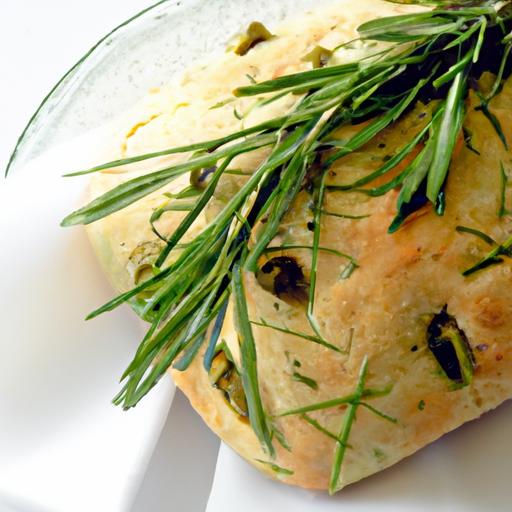


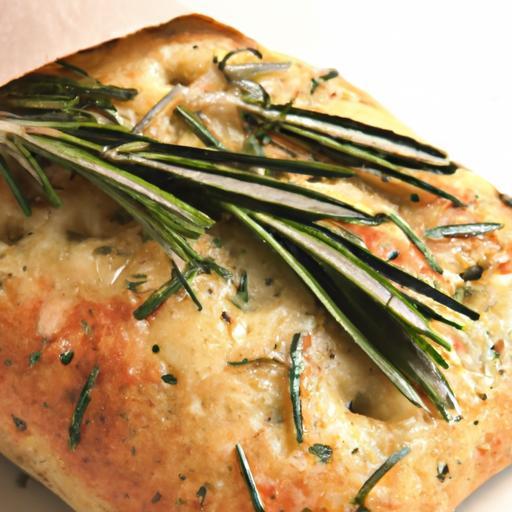
There’s something irresistibly enchanting about the scent of rosemary wafting through a sun-drenched Italian kitchen, where fresh herbs and rustic traditions come together to create culinary magic. At the heart of this fragrant symphony lies the aromatic rosemary focaccia-a golden, pillowy bread speckled with vibrant green sprigs that tell stories of Mediterranean hillsides and centuries-old recipes. More than just a simple loaf, this herb-infused delight captures the essence of Italy’s rich baking heritage, inviting you to savor every bite infused with history, flavor, and an unmistakable aroma that lingers long after the first taste. Join us as we explore the origins, artistry, and irresistible charm of Italy’s beloved rosemary focaccia.
Aromatic Rosemary Focaccia traces its roots deep into the sun-kissed hills of Liguria,Italy,where this herb-infused flatbread began as a humble meal for farmers and fishermen. The combination of simple ingredients-flour, olive oil, water, salt-and the fresh, fragrant rosemary elevated focaccia from everyday sustenance to an irresistible centerpiece at Italian tables. As a Culinary Content Creator and Food Stylist,I find the magic of rosemary focaccia lies not only in its inviting aroma but also in the textural contrast between a golden-crisp crust and a soft,pillow-like crumb. This recipe invites you to master the traditional techniques and savor every fragrant bite, infusing your kitchen with the warmth of Italian heritage.
Prep and Cook Time
- Readiness: 20 minutes
- Rising Time: 1 hour 30 minutes (including bulk and final proof)
- Baking Time: 25 minutes
- Total Time: approximately 2 hours 15 minutes
Yield
One full sheet pan (approx. 8 servings)
Difficulty Level
Medium: Ideal for home bakers ready to explore yeast dough and herb infusion basics with confidence.
Ingredients
- 3 ½ cups (440g) all-purpose flour,sifted
- 1 tablespoon sugar
- 2 teaspoons kosher salt
- 1 packet (2 ¼ teaspoons) active dry yeast
- 1 ¼ cups (300ml) warm water (about 105°F/40°C)
- ⅓ cup (80ml) extra virgin olive oil,plus more for drizzling
- 3 tablespoons fresh rosemary needles,roughly chopped
- Coarse sea salt (for finishing)
Instructions
- Activate the Yeast: In a small bowl,combine warm water and sugar. Sprinkle yeast over the surface and let it sit for 10 minutes until bubbly and foamy. This step ensures your yeast is alive and ready to work.
- Mix the Dough: In a large mixing bowl, whisk together flour and kosher salt. Add the activated yeast mixture and ⅓ cup olive oil. Stir with a wooden spoon until a rough dough forms.
- Knead Until Smooth: Turn the dough onto a lightly floured surface and knead for 8-10 minutes until smooth, elastic, and slightly tacky but not sticky. For best results, avoid adding excessive flour during kneading.
- First Rise: Lightly oil a clean bowl and place the dough inside. Cover it with a damp cloth or plastic wrap and let it rise in a warm spot for 1 hour or until doubled in size.
- Shape and Prepare for Second Rise: transfer the dough onto a generously oiled sheet pan (about 9×13 inches). Gently stretch and press it out to fill the pan evenly without tearing. Use your fingertips to dimple the surface deeply.
- Herb Infusion: Brush the dough generously with olive oil. Sprinkle fresh rosemary evenly across the surface, then scatter coarse sea salt for that perfect salty crunch.
- Final Proof: Cover the pan loosely with plastic wrap and let the dough rise for another 30 minutes. This final rest ensures the focaccia remains delightfully soft inside.
- Preheat Oven & Bake: Heat the oven to 425°F (220°C). Bake the focaccia for 20-25 minutes, rotating the pan halfway through, until the crust is golden brown and fragrant. The rosemary aroma will fill your kitchen.
- Finish with Olive Oil: Once out of the oven, immediately drizzle a little more olive oil over the warm focaccia for added sheen and richness. Let cool slightly before slicing.
tips for Success
- Temperature is Key: Avoid using water that’s too hot,as it can kill the yeast. Aim for a warm bath-like temperature around 105°F (40°C) for optimal yeast activity.
- Oil Generously: Olive oil doesn’t just flavor-it helps keep the crust tender and prevents sticking. Don’t be shy about brushing it on thickly before and after baking.
- Dimpling Matters: Creating deep finger dimples traps the olive oil and rosemary in pockets, enhancing both aroma and texture.
- Make Ahead: the dough can be refrigerated after the first rise for up to 24 hours. Bring it back to room temperature and proceed with shaping before baking.
- Herb Variations: While fresh rosemary is classic and aromatic, try adding a touch of fresh thyme or oregano for subtle complexity.
Serving Suggestions
Serve your warm,aromatic rosemary focaccia as a luscious side to vibrant salads,hearty vegetable soups,or a tangy tomato-based dip. Garnish with a sprinkle of flaky sea salt and an extra sprig of fresh rosemary for a rustic, elegant look. For an eye-catching presentation, cut the focaccia into squares, drizzle with high-quality olive oil, and offer alongside marinated olives or a creamy whipped ricotta. It also pairs beautifully with a platter of assorted cheeses and grilled vegetables for an irresistible antipasto.
| Nutritional Information (per serving) | Calories | Protein | Carbs | Fat |
|---|---|---|---|---|
| Aromatic Rosemary Focaccia | 220 | 6g | 30g | 8g |

Discover more about Italian herb breads to enhance your bread-baking repertoire, or learn the science behind perfect dough hydration on King Arthur Baking’s expert guide.
Q&A
Q&A: Aromatic Rosemary Focaccia – Italy’s Herb-Infused Delight
Q: What makes rosemary focaccia a standout among Italian breads?
A: Rosemary focaccia is cherished for its fragrant, herbaceous aroma and the perfect balance of crispy crust and pillowy interior.The fresh rosemary infuses the dough with a piney, slightly minty flavor that transports you straight to the sunlit hills of Italy.
Q: How is rosemary incorporated into focaccia to maximize its flavor?
A: Typically, fresh rosemary sprigs are gently pressed into the dough just before baking. This releases the herb’s natural oils, creating aromatic pockets bursting with flavor. Some recipes also include finely chopped rosemary in the dough to deepen the aroma throughout.
Q: What are the key ingredients for making authentic rosemary focaccia?
A: At its heart, rosemary focaccia relies on simple, quality ingredients: flour, water, olive oil, salt, yeast, and fresh rosemary. The magic comes from good olive oil and the delicate balance between a chewy crumb and a crisp,golden crust.Q: Can rosemary focaccia be customized with other toppings?
A: Absolutely! While rosemary is the star, focaccia is wonderfully versatile. You can add cherry tomatoes, sea salt flakes for texture, or even roasted garlic to complement the herb. The key is to maintain harmony and not overpower the rosemary’s fragrant notes.
Q: What’s the secret to achieving that quintessentially crisp yet tender focaccia texture?
A: Patience and technique are key. Allowing the dough a slow, leisurely rise enhances flavor and airiness.Before baking, generous dimpling and a good drizzle of olive oil encourage a golden, crackly crust while keeping the inside soft and inviting.
Q: Is rosemary focaccia suitable as a standalone snack or part of a meal?
A: Rosemary focaccia is wonderfully versatile-it shines as a fragrant snack on its own, a delightful accompaniment to soups and salads, or a flavorful base for sandwiches. Its herb-infused character elevates even the simplest dining moments.
Q: Can focaccia be made gluten-free while retaining its signature flavor and texture?
A: Making focaccia gluten-free can be a challenge, but with the right blend of gluten-free flours and xanthan gum, plus extra care in hydration and rising, you can achieve a delicious choice that still carries the aromatic essence of rosemary.
Q: How do you store rosemary focaccia to preserve its freshness and aroma?
A: Store focaccia wrapped in a clean kitchen towel inside an airtight container at room temperature for up to two days. Reheat gently in the oven to revive its crispy crust and release that wonderful rosemary fragrance before serving.
Q: What cultural meaning does rosemary hold in Italian cuisine and how does it enhance focaccia?
A: Rosemary is deeply rooted in Mediterranean tradition,symbolizing remembrance and hospitality. In focaccia, it brings a vibrant, aromatic quality that reflects the rustic simplicity and warmth of Italian home cooking-making each bite a flavorful nod to heritage.
To Conclude
As the enticing aroma of rosemary fills your kitchen and the golden crust of this classic Italian focaccia reveals its tender, herb-speckled crumb, your reminded that food is more than sustenance-it’s a story, a tradition, a party of place and flavor. Aromatic rosemary focaccia is not just bread; it’s a fragrant invitation to slow down, savor simplicity, and share a slice of Italy’s rich culinary heritage. Whether enjoyed warm from the oven or alongside a vibrant meal, this herb-infused delight continues to capture hearts and palates worldwide-proving that sometimes, the most ordinary ingredients, when lovingly combined, create an extraordinary experience.Buon appetito!