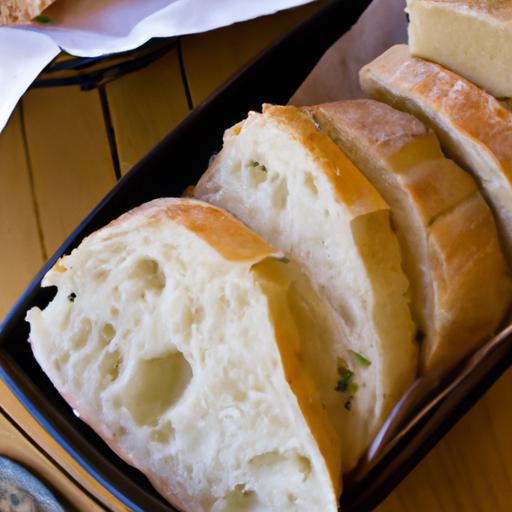


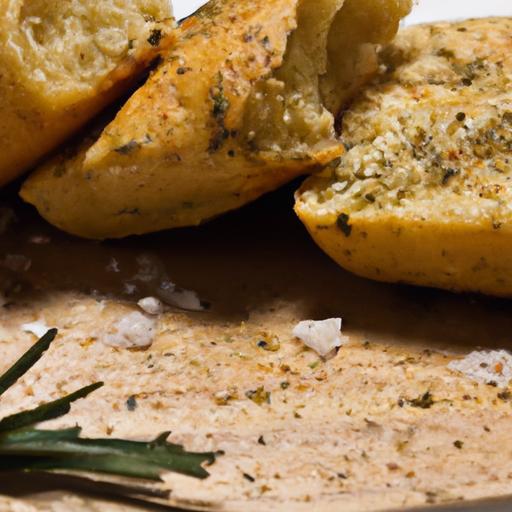
There’s something undeniably enchanting about the warm, inviting aroma of rosemary and garlic wafting through the kitchen-an olfactory promise of comfort and simple indulgence. Aromatic rosemary and garlic bread captures this magic perfectly, transforming humble ingredients into a symphony of flavors that elevate any meal. In this article, we’ll explore how this effortless combination turns ordinary bread into a sensory delight, offering tips and tricks to create your own loaf of fragrant, golden perfection. Whether you’re a seasoned baker or a curious foodie, prepare to discover the simple flavour magic that makes rosemary and garlic bread an irresistible classic.
Aromatic rosemary & garlic bread awakens the senses with its fragrant blend of fresh herbs and robust garlic infusion, transforming a simple loaf into an irresistible centerpiece. Rooted in Mediterranean rustic traditions,this bread carries the warmth of sun-kissed rosemary and the savory depth of garlic,harmonizing together for a truly unforgettable baking experience.
Prep and Cook Time
- Preparation: 20 minutes
- Rising: 1 hour 30 minutes
- Baking: 25-30 minutes
- Total Time: Approximately 2 hours 20 minutes
Yield
One loaf (8 generous slices),perfect for sharing or savoring over a couple of days.
Difficulty Level
Medium – ideal for home bakers ready to explore herb-infused breads with rewarding,aromatic results.
Ingredients
- 3 ½ cups all-purpose flour, sifted
- 1 tbsp fresh rosemary, finely chopped
- 4 cloves garlic, minced
- 1 ¼ cups warm water (about 110°F / 43°C)
- 2 tsp active dry yeast
- 1 tbsp granulated sugar
- 2 tsp fine sea salt
- 2 tbsp extra-virgin olive oil, plus more for brushing
Instructions
- Activate the yeast: In a small bowl, combine warm water, sugar, and yeast. let it sit for 5-7 minutes until frothy, signaling the yeast is alive and ready to work.
- Infuse the garlic: While the yeast activates, gently warm 1 tablespoon of olive oil in a small pan over low heat. Add the minced garlic and sauté until golden and aromatic, about 3 minutes. Take care not to brown too quickly to avoid bitterness. Remove from heat and set aside.
- Mix dry ingredients: In a large mixing bowl,whisk together the flour,chopped fresh rosemary,and salt,ensuring even distribution of the herbs.
- Create the dough: pour the frothy yeast mixture, garlic-infused oil (including the garlic bits), and the remaining tablespoon of olive oil into the dry ingredients. Stir with a wooden spoon or spatula until a shaggy dough forms.
- Knead to perfection: Turn the dough onto a lightly floured surface. Knead vigorously for 8 to 10 minutes until smooth, elastic, and slightly tacky, adding small amounts of flour if needed – but avoid over-flouring to maintain softness.
- First rise: Lightly oil a clean bowl, place the dough inside, and cover with a damp cloth or plastic wrap. Let it rise in a warm spot for 1 to 1 ½ hours or until doubled in size.
- Shape and rest: Gently deflate the dough and shape it into a round or oval loaf. Place it on a baking sheet lined with parchment paper. Cover and let it rest for 30 minutes, allowing the gluten to relax and flavors to deepen.
- Preheat the oven: Set to 400°F (200°C) with a baking stone or an inverted tray inside to mimic the intense heat of traditional ovens. Place a shallow pan of water on the bottom rack to create steam for a crispy crust.
- Slash and brush: Using a sharp knife or lame, score the top of the loaf with 3-4 diagonal cuts. Brush lightly with olive oil for extra golden shine.
- Bake: Slide the bread onto the preheated stone or tray. Bake for 25-30 minutes until the crust is deeply golden and crisp, and the loaf sounds hollow when tapped underneath.
- Cool and enjoy: Transfer the bread to a wire rack to cool fully before slicing. This resting period allows the crumb to set perfectly.
Tips for Success
- Fresh rosemary matters: Use freshly picked rosemary sprigs for vibrant aroma; dried varieties can be used but will yield a subtler flavor.
- Garlic oil infusion: Gently cooking the garlic in olive oil mellows its raw intensity and evenly distributes flavor without overpowering.
- Steam for crust: Adding water to the oven during baking is essential to develop a crackly golden crust that beautifully contrasts the soft crumb.
- Flour alternatives: For a nuttier twist, substitute up to ½ cup of all-purpose flour with whole wheat flour, though this will slightly alter texture.
- Make-ahead: Prepare the dough the evening before and let it rise slowly overnight in the fridge to deepen flavor complexity.
Serving Suggestions
This herbaceous loaf shines served warm, slathered with creamy butter or infused olive oil. pair slices with a fresh tomato bruschetta or alongside hearty soups like roasted tomato bisque. Garnish with an extra sprinkle of sea salt and a few whole rosemary needles for a picture-perfect presentation.

| Nutrient | Amount per slice |
|---|---|
| Calories | 180 kcal |
| protein | 5 g |
| Carbohydrates | 33 g |
| Fat | 4 g |
For an in-depth exploration of herb bread recipes and tips to elevate your baking at home, enjoy our curated guide.To learn about the science behind yeast and bread rising, visit the king Arthur Baking official site, a trusted resource for passionate bakers worldwide.
Q&A
Q&A: Aromatic Rosemary & Garlic Bread: Simple Flavor Magic
Q1: What makes rosemary and garlic such a perfect pairing for bread?
A1: Rosemary’s piney, slightly citrusy aroma complements the warm, pungent, and slightly sweet essence of roasted garlic beautifully. Together, they create a harmony of flavors that transform a simple loaf into an aromatic celebration of the senses.
Q2: Can I use fresh rosemary, or are dried herbs just as good?
A2: Fresh rosemary truly shines here, offering vibrant, robust flavor bursts with each bite. However, if fresh isn’t available, dried rosemary can work in a pinch-just use about one-third the amount, and add it to the dough early so it has time to rehydrate and release its essence.
Q3: How do I prevent the garlic from overpowering the bread?
A3: Roasting the garlic mellows its sharpness into a creamy sweetness that infuses the bread gently. Alternatively, finely mincing raw garlic and mixing it evenly in the dough can give a subtler touch.The key is balance-too much raw garlic may overwhelm, but the magic happens in moderation.
Q4: Is it necessary to use high-gluten or bread flour for this recipe?
A4: Bread flour is ideal because its higher gluten content results in that chewy, elastic crumb perfect for holding rosemary and garlic. Yet,all-purpose flour can suffice; the texture will be a bit softer,but the flavors remain just as enchanting.
Q5: Can I incorporate these flavors into diffrent types of bread?
A5: Absolutely! rosemary and garlic lend themselves well to focaccia, baguettes, or rustic country loaves alike. The technique-whether infusing olive oil, embedding whole sprigs, or kneading in minced garlic-is adaptable to many dough types.
Q6: What’s a simple way to infuse olive oil with rosemary and garlic for brushing?
A6: Gently warm olive oil with sprigs of fresh rosemary and crushed garlic cloves over low heat for 10-15 minutes. This creates an aromatic oil perfect for brushing before baking or drizzling over warm bread, enhancing flavor and giving your loaf a shiny, inviting crust.Q7: How can I make this bread gluten-free without losing flavor?
A7: Use a high-quality gluten-free bread mix designed for yeast breads, and fold in finely chopped rosemary and roasted garlic. Adding a touch of xanthan gum or psyllium husk can definitely help mimic gluten’s structure, ensuring a tender crumb with all that signature aroma.
Q8: How should I store rosemary and garlic bread to keep it fresh and fragrant?
A8: Store the bread in a paper bag at room temperature to maintain its crisp crust while preventing moisture buildup. For longer storage, slicing and freezing the loaf then toasting slices directly from the freezer helps preserve its delightful garlic-rosemary charm.
Q9: Are there any creative twists to elevate the classic rosemary and garlic bread?
A9: Certainly! Try folding in chopped sun-dried tomatoes for a tangy burst or sprinkle flaky sea salt and freshly cracked black pepper on top before baking for texture and depth. Another idea is to swirl in a roasted garlic and herb butter for pockets of gooey goodness inside the bread.
Q10: What’s the best way to serve this aromatic bread?
A10: Serve slices warm, fresh from the oven or lightly toasted. It pairs beautifully with hearty vegetable soups, creamy cheeses, or as a flavorful base for bruschetta and open-faced sandwiches. The intoxicating scent alone makes every meal feel a little more special.
Insights and Conclusions
As the warm, herb-infused aroma of rosemary and garlic bread fills your kitchen, it’s clear that sometimes the simplest ingredients create the most magical flavors.This humble loaf, with its crispy crust and fragrant, savory heart, transforms any meal into a comforting celebration. Whether enjoyed fresh from the oven or as a flavorful companion to soups and salads, aromatic rosemary and garlic bread invites you to savor the timeless harmony of nature’s finest herbs and classic comfort baking. So next time you crave something effortlessly delicious,remember: a little rosemary and garlic can turn ordinary bread into a delightful masterpiece.