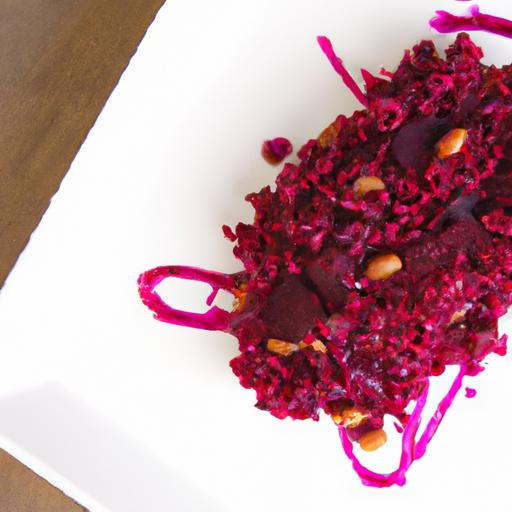


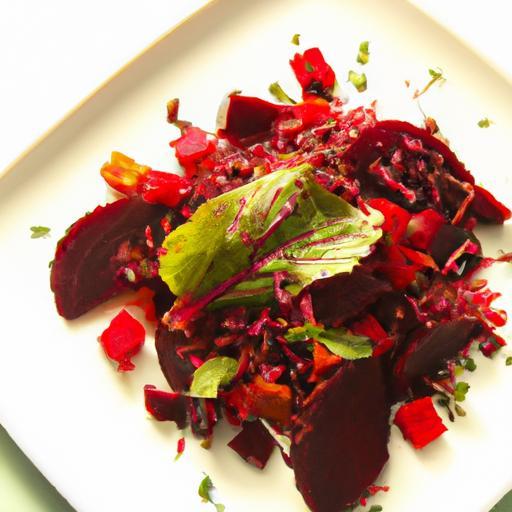
In a world bursting with vibrant flavors and colorful ingredients, sometimes the simplest combinations create the most unforgettable dishes. Enter roasted beet couscous-a dazzling marriage of earthy sweetness and fluffy, golden grains that transforms any meal into a feast for the eyes and the palate. More than just a side dish, this luminous blend invites you to discover the magic hidden in humble ingredients, elevating your plate with a kaleidoscope of textures, nutrients, and aromas. join us as we explore how roasting beets unlocks their natural charm and why pairing them with couscous creates a harmony that’s both wholesome and downright irresistible.
Brighten Your Plate with Roasted Beet Couscous, and discover how the natural sweetness of perfectly roasted beets transforms a simple grain into a vibrant and nutrient-packed dish. This colorful couscous recipe offers a harmonious blend of earthy beets, fluffy couscous, and fresh herbs, creating a symphony of flavors and textures that will delight your senses.Whether you’re inspired by Mediterranean cuisine or seeking a wholesome meal that balances nutrition and taste, this dish promises to elevate your culinary repertoire.
Prep and Cook time
Readiness: 15 minutes | Cooking: 30 minutes | Total: 45 minutes
Yield
Serves 4 as a main or 6 as a vibrant side
Difficulty Level
Easy
Ingredients
- 2 cups Israeli couscous (pearl couscous)
- 4 medium beets, peeled and cut into 1-inch cubes
- 3 tbsp extra virgin olive oil, divided
- 1 tsp ground cumin
- 1/2 tsp smoked paprika
- 1/2 tsp sea salt, plus more to taste
- 1/4 tsp freshly ground black pepper
- 1 small red onion, thinly sliced
- 2 cloves garlic, minced
- 3 cups vegetable broth, hot
- 1/4 cup fresh parsley, chopped
- 2 tbsp fresh mint, chopped
- 1/3 cup crumbled feta cheese (optional)
- 2 tbsp toasted pine nuts or slivered almonds
- Juice of 1 lemon
Instructions
- Preheat your oven to 425°F (220°C). Toss the cubed beets with 2 tablespoons of olive oil, cumin, smoked paprika, 1/4 teaspoon salt, and pepper. Spread them evenly on a baking sheet lined with parchment paper.
- Roast the beets for 25-30 minutes,stirring halfway through,until tender and caramelized at the edges. remove from oven and set aside to cool slightly.
- Meanwhile, heat 1 tablespoon of olive oil in a medium saucepan over medium heat. Add the sliced red onion and sauté until translucent and lightly browned, about 5 minutes. Stir in the minced garlic and cook for an additional 1 minute until fragrant.
- Add the Israeli couscous to the saucepan and toast for 2 minutes, stirring constantly to prevent sticking. This step enhances the nutty flavor and gives the couscous a lovely texture.
- Pour in the hot vegetable broth, bring to a gentle boil, then reduce heat to low, cover, and simmer for 8-10 minutes until the couscous is tender and has absorbed the liquid. Remove from heat and fluff with a fork.
- Combine couscous with roasted beets, fresh parsley, mint, and lemon juice in a large serving bowl. Adjust seasoning with additional salt and pepper to taste, if needed.
- Top the dish with toasted pine nuts and crumbled feta cheese for a creamy, crunchy finish. Serve slightly warm or at room temperature for the best flavor balance.
Tips for Success
- Beet selection: Choose beets that are firm, smooth-skinned, and deep in color for the richest flavor. Organic beets often carry a more intense earthiness.
- Even roasting: Cut your beets uniformly to ensure they cook evenly and caramelize beautifully without undercooked centers.
- Couscous varieties: Israeli couscous delivers a chewier,more substantial bite than traditional couscous,but you may substitute with regular couscous if preferred-adjust cooking time accordingly.
- Make-ahead potential: Roast beets in advance and refrigerate. The couscous can be prepared fresh, then combined just before serving to preserve texture.
- Flavor tweaks: Add a drizzle of balsamic glaze or a sprinkle of sumac for a tangy twist. For a vegan version, omit the feta or substitute with plant-based cheese.
serving Suggestions
This dish shines as a full, vegetarian entree or alongside grilled vegetables and a crisp green salad. For a Mediterranean-themed meal,pair with warm pita bread and a dollop of creamy hummus.Garnish with extra fresh herbs, pomegranate seeds for jewel-like bursts, or a drizzle of high-quality olive oil to enhance both appearance and depth of flavor.

Nutritional Information
| Nutrient | per Serving |
|---|---|
| Calories | 320 kcal |
| Protein | 7 g |
| Carbohydrates | 48 g |
| Fat | 9 g |
| Fiber | 6 g |
For more inspiration on vibrant grain bowls and vegetable-forward meals, check out our Mediterranean Quinoa Salad. to learn more about the health benefits of beets, visit Healthline’s detailed guide.
Q&A
Q&A: Brighten Your Plate – The Magic of Roasted Beet Couscous
Q1: What makes roasted beet couscous a standout dish?
A1: Roasted beet couscous combines the earthy sweetness of caramelized beets with the light,fluffy texture of couscous,creating a vibrant and satisfying plate. The roasting intensifies the beets’ natural sugars, adding depth and a stunning ruby hue that brightens the dish both visually and on the palate.Q2: How do you achieve the perfect roast for beets?
A2: Start by trimming and peeling the beets, then cut them into uniform cubes. Toss with a splash of olive oil, a pinch of salt, and your favorite herbs or spices-think thyme, cumin, or smoked paprika. Roast in a preheated oven at around 400°F (200°C) for 30-40 minutes until tender and slightly caramelized, stirring halfway through to promote even cooking.
Q3: Why couscous? Can I use other grains instead?
A3: Couscous is prized for its quick cooking time and delicate texture, which allows it to soak up flavors beautifully without overpowering the ingredients. However, if you prefer, grains like quinoa, bulgur, or farro can substitute well, each bringing a unique nuttiness or chewiness that complements the roasted beets wonderfully.
Q4: What flavor boosters elevate this dish from simple to sensational?
A4: Bright acidity from a squeeze of fresh lemon juice or a drizzle of balsamic glaze balances the earthiness of the beets. fresh herbs such as parsley, mint, or cilantro add vibrancy and freshness, while a handful of toasted nuts-almonds, pistachios, or walnuts-introduce delightful crunch and warmth.
Q5: Can roasted beet couscous be adapted for different diets?
A5: Absolutely! This dish is naturally vegetarian, vegan, and gluten-free if you choose gluten-free couscous or alternative grains. You can easily customize the flavor profile by incorporating different herbs and spices or adding plant-based proteins like chickpeas or roasted tofu for a heartier meal.
Q6: Is roasted beet couscous suitable for meal prep or entertaining?
A6: Definitely. Roasted beet couscous holds up well in the fridge for several days, making it fantastic for meal prep.Its vibrant color and appealing textures also make it an eye-catching, crowd-pleasing side or main dish for gatherings, especially when garnished with fresh herbs and zesty citrus.Q7: What are some creative twists to try with this recipe?
A7: Consider roasting other root vegetables alongside the beets, like carrots or sweet potatoes, for added variety. Incorporate crumbled feta or a dollop of tangy yogurt if you enjoy dairy. or top with a sprinkle of dukkah-a Middle Eastern nut and spice blend-for an exotic crunch that dances on the tongue.
Brighten your plate-and perhaps your mood-with roasted beet couscous, where simplicity meets magic in every colorful bite!
Closing Remarks
As the vibrant hues of roasted beets mingle with the fluffy grains of couscous, each bite becomes a celebration of color, texture, and flavor-a simple dish transformed into a feast for both the eyes and the palate. Embracing the magic of roasted beet couscous means inviting wholesome ingredients and effortless creativity into your kitchen,proving that brightening your plate can be as nourishing as it is delightful. So next time you crave a meal that’s as beautiful as it is satisfying, let this vibrant dish remind you that the heart of healthy eating lies not just in what we eat, but in how joyfully we prepare it.