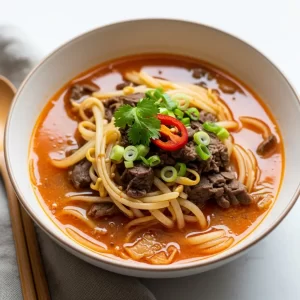


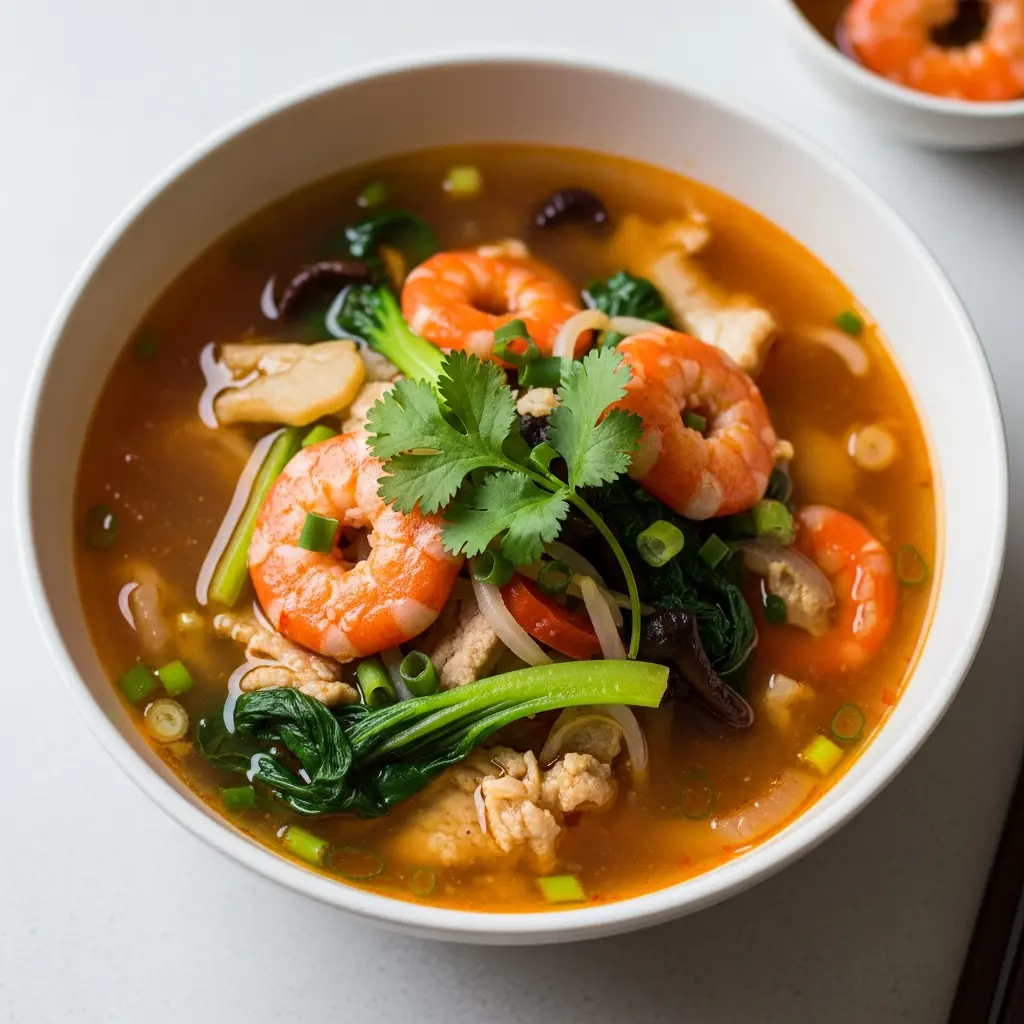
There’s a mysterious alchemy in a single bowl of Chinese hot and sour soup-a vibrant dance of flavors that both soothe and excite the palate.Imagine a broth where fiery chili’s sharp embrace meets the luminous zing of vinegar, swirled together with silky tofu, tender wood ear mushrooms, and ribbons of egg. this beloved classic is more than just a starter; it’s an experience that captivates senses and tells a story of balance, tradition, and culinary artistry.join us as we delve into the origins, ingredients, and the irresistible tangy heat that makes Chinese hot and sour soup an enduring favorite across tables around the world.
Savor the tangy heat of Chinese Hot and Sour Soup by diving into the perfect harmony of zesty tanginess and warming spice that defines this iconic dish. Rooted in centuries-old culinary tradition, this soup is a celebration of balance-where vinegar’s sharpness meets the gentle burn of white pepper, all enveloped in a rich, savory broth. During my travels through Sichuan and Hunan provinces, I discovered how this soup becomes a comforting ritual, soothing the soul while awakening the palate.
Prep and Cook Time
- Preparation: 15 minutes
- Cooking: 25 minutes
- Total Time: 40 minutes
Yield
Serves 4 generous bowls
Difficulty Level
Medium – Perfect for adventurous cooks eager to master classic Chinese techniques
Ingredients
- 6 cups low-sodium vegetable or chicken broth
- 1 cup dried shiitake mushrooms, rehydrated and thinly sliced
- 1 cup firm tofu, cut into thin matchsticks
- 1/2 cup bamboo shoots, thin julienne
- 2 tbsp soy sauce (light)
- 3 tbsp Chinkiang black vinegar (or any dark Chinese vinegar)
- 1 tsp freshly ground white pepper (adjust to taste)
- 1 tbsp chili garlic sauce (optional, for extra spice)
- 2 tbsp cornstarch mixed with 3 tbsp water (slurry)
- 2 large eggs, lightly beaten
- 2 tbsp toasted sesame oil
- 2 stalks green onions, thinly sliced
- 1 tsp minced fresh ginger
Instructions
- Prepare the broth: In a large pot, bring the vegetable or chicken broth to a gentle boil over medium heat. Add the sliced shiitake mushrooms, bamboo shoots, and minced ginger. Let simmer for 10 minutes to infuse the flavors.
- Season the broth: Stir in the soy sauce, Chinkiang black vinegar, and white pepper. Taste and adjust vinegar or pepper according to your preferred tanginess and spice level.
- Introduce tofu and thickness: Gently add the tofu matchsticks and let them warm for 2-3 minutes. Slowly pour in the cornstarch slurry while stirring constantly to slightly thicken the broth to a silky consistency-this will help the soup cling to each ingredient beautifully.
- Create the signature egg ribbons: Turn off the heat momentarily. Slowly drizzle the beaten eggs into the soup in a thin stream while stirring gently in one direction to form delicate ribbons. Return the pot to low heat.
- Final touches: Stir in toasted sesame oil and chili garlic sauce (if using) for a smoky depth and subtle heat. Heat through for another minute, but avoid boiling once eggs are added to keep the texture silky.
- Serve with garnishes: Ladle the soup into bowls and sprinkle generously with sliced green onions for a bright, fresh bite and visual contrast.
Chef’s Notes: Tips for Success
- Vinegar choice matters: Chinkiang black vinegar delivers a wonderfully mellow tang, but you can experiment with white rice vinegar for a lighter acidity. Avoid too sharp or harsh vinegars that overpower the broth’s subtle nuances.
- Adjusting spice: White pepper is traditional and gives a fragrant heat that’s different from chili powder or flakes. Incorporate chili garlic sauce or fresh sliced chilies for extra warmth without losing balance.
- Texture tips: The cornstarch slurry should be added slowly while stirring to avoid clumping and achieve a smooth silky broth. Always make sure the broth isn’t at a full boil when adding eggs to prevent tough curds.
- Make-ahead option: The broth and mushroom mixture can be made a day ahead and refrigerated. Add tofu, eggs, and thickener just before serving for freshest texture.
- Tofu variations: For an umami boost, try replacing tofu with glass noodles or shredded chicken (if not vegetarian) while keeping flavors balanced.
Savor the Tangy Heat: Complementary Pairings
This vibrant soup shines best alongside subtly flavored, comforting dishes that can stand up to its lively character. Crisp stir-fried greens like bok choy or gai lan provide fresh contrast, while fragrant jasmine rice tames the tang and spice. For protein, delicate steamed fish or ginger scallion tofu offer refined balance.
A plate of Chinese pickled vegetables can amplify the vinegar notes and add complexity, while a drizzle of chili oil on the side allows guests to customize the heat.
| Nutrient | Per serving |
|---|---|
| Calories | 145 |
| protein | 10 g |
| Carbs | 12 g |
| Fat | 6 g |

Q&A
Q&A: Savor the Tangy Heat: Exploring Chinese Hot and Sour Soup
Q1: What makes Chinese Hot and Sour Soup so uniquely flavorful?
A1: The magic of Hot and sour Soup lies in its perfect balance of bold flavors-bright, tangy vinegar melds with a gentle, lingering heat from white pepper or chili, all rounded out by the earthiness of mushrooms and the umami richness of soy sauce. This symphony of tastes awakens your palate with every spoonful, creating a comforting yet invigorating experience.Q2: Which key ingredients define an authentic Hot and Sour Soup?
A2: Classic Hot and Sour Soup typically features shiitake or wood ear mushrooms for their meaty texture, tofu cubes, bamboo shoots, and sometimes egg ribbons swirled in for silkiness. The sour component usually comes from black vinegar, while the heat is traditionally provided by white pepper or a touch of chili oil. These ingredients come together to create its signature bouquet of flavors and textures.
Q3: Can Hot and Sour Soup be enjoyed by vegetarians?
A3: Absolutely! Hot and Sour Soup can be completely vegetarian and still maintain its robust flavour profile. Using vegetable broth and a diverse mix of mushrooms and tofu keeps the soup hearty and satisfying without sacrificing authenticity or depth.
Q4: How is the texture of Hot and Sour Soup achieved?
A4: The soup’s inviting texture is partly thanks to the addition of cornstarch slurry, which thickens it just right, giving it a smooth, velvety consistency. The contrast between the soft tofu, tender mushrooms, crunchy bamboo shoots, and sometimes crispy wood ear fungus creates a delightful mouthfeel that keeps each spoonful captivating.
Q5: Is there a secret to balancing the soup’s heat and tang perfectly?
A5: Yes! The key is to gradually add the sour and spicy elements and taste as you go. Black vinegar can vary in intensity, so start with a small amount and build up to your preferred level of tanginess.White pepper’s sharp heat is more subtle than chili peppers, allowing you to control the spice without overpowering the soup’s other flavors.This mindful approach helps maintain harmony in every bowl.
Q6: What occasions are ideal for enjoying Hot and Sour Soup?
A6: Hot and Sour Soup shines as a comforting appetizer during chilly evenings or as a light meal when you crave something both warming and refreshing. Its invigorating flavor makes it a popular choice at family gatherings, festive dinners, or anytime you want to brighten your day with a splash of tangy heat.
Q7: Can Hot and Sour Soup be customized to suit different tastes?
A7: Definitely! While traditional versions set the blueprint,there’s plenty of room for creativity. Some like it spicier with extra chili oil, others prefer a more delicate sourness by reducing vinegar. Adding fresh herbs like cilantro or scallions can introduce fresh notes, and experimenting with different mushroom varieties can provide new textures and flavors.
Q8: What cultural significance does Hot and Sour soup hold in Chinese cuisine?
A8: Beyond its tasty taste, Hot and Sour Soup represents the balance and harmony that are central to chinese culinary philosophy. The interplay of hot and sour flavors exemplifies yin and yang, symbolizing the blending of opposite forces to create something lovely and whole. This soup often appears on restaurant menus as a classic staple, treasured for its comforting familiarity and complex character.
To Wrap It Up
As the last spoonful of hot and sour soup warms your palate and stirs your senses, it’s clear that this humble bowl holds more than just flavor-it carries centuries of tradition, culture, and culinary artistry. Whether you’re drawn to its tangy brightness,its spicy kick,or the harmonious balance between the two,Chinese hot and sour soup invites you to savor a story in every sip. So next time you crave a dish that awakens the soul and comforts the heart, remember that this classic soup is more than a meal-it’s an experience waiting to be explored.Dive in, and let the vibrant heat and zest transport you to the bustling kitchens and rich heritage of China’s culinary tapestry.