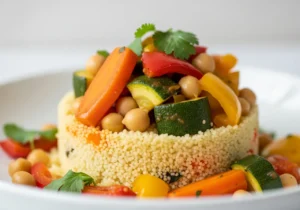


steeped in centuries of rich tradition and culinary artistry, Moroccan couscous stands as a vibrant tapestry of flavors, textures, and colors. More than just a staple dish, it embodies the heart of Moroccan hospitality and the bounty of its diverse landscapes. In this exploration of Moroccan couscous with vibrant veggie flavors, we delve into how fresh, colorful vegetables transform this humble grain into a dazzling celebration of taste and nutrition. Join us as we unravel the secrets behind crafting couscous that dances on the palate with every bite-infused with aromatic spices, tender veggies, and the warmth of a culture that turns simple ingredients into unforgettable feasts.
Exploring Moroccan Couscous with Vibrant Veggie Flavors is more than a culinary adventure-it’s a journey into the heart of Moroccan tradition, where fragrant spices and fresh, colorful vegetables intertwine to create a dish bursting with life and soul. Rooted in Berber heritage and celebrated throughout Morocco, couscous is a symbol of family gatherings and festive celebrations. its fluffy grains paired with hearty vegetables and bold spices tell stories of vibrant markets and sun-kissed landscapes. This recipe invites you to experience the rich cultural roots of Moroccan couscous while crafting a wholesome, vegetable-forward masterpiece that’s both approachable and truly inspiring.
Prep and Cook Time
- Prep Time: 25 minutes
- Cook Time: 40 minutes
- Total Time: 1 hour 5 minutes
Yield
Serves 6 generously
Difficulty Level
Medium – perfect for home cooks ready to embrace authentic Moroccan flavors
Ingredients
- 2 cups Moroccan couscous (or medium-grain couscous)
- 3 cups vegetable broth, warmed
- 2 tbsp extra virgin olive oil, divided
- 1 large onion, thinly sliced
- 3 cloves garlic, minced
- 2 large carrots, peeled and cut into thick matchsticks
- 1 medium zucchini, sliced into half-moons
- 1 cup butternut squash, cubed
- 1 cup cherry tomatoes, halved
- 1 cup canned chickpeas, drained and rinsed
- 1/2 cup golden raisins
- 1/4 cup fresh cilantro, chopped
- 1 tbsp ras el hanout spice blend
- 1 tsp ground cumin
- 1 tsp smoked paprika
- 1/2 tsp ground cinnamon
- Salt and freshly ground black pepper, to taste
- 1 lemon, cut into wedges for serving
instructions
- Prepare the couscous: Place the couscous in a large bowl. Drizzle with 1 tablespoon of olive oil, then pour 3 cups of hot vegetable broth over it. Cover tightly with a plate or cling film and let it steam for 10 minutes. Fluff gently with a fork to separate the grains.
- Sauté the aromatics: In a large heavy-bottomed skillet or casserole, heat the remaining 1 tablespoon of olive oil over medium heat. Add the sliced onion and minced garlic. Sauté until golden brown, about 5 minutes, stirring occasionally to prevent sticking.
- Add the spices: Stir in the ras el hanout, cumin, smoked paprika, and cinnamon. toast the spices for 1 minute until aromatic, releasing their deep, exotic fragrance.
- Cook the vegetables: Add the carrots, butternut squash, and zucchini. toss well to coat in the spiced onion mixture. Pour in 1/2 cup water or vegetable broth, cover, and simmer gently for 15 minutes until vegetables are tender but still vibrant.
- Finish with chickpeas and raisins: stir in the chickpeas and golden raisins. Cook uncovered for 5 minutes to meld the flavors and thicken the sauce slightly.
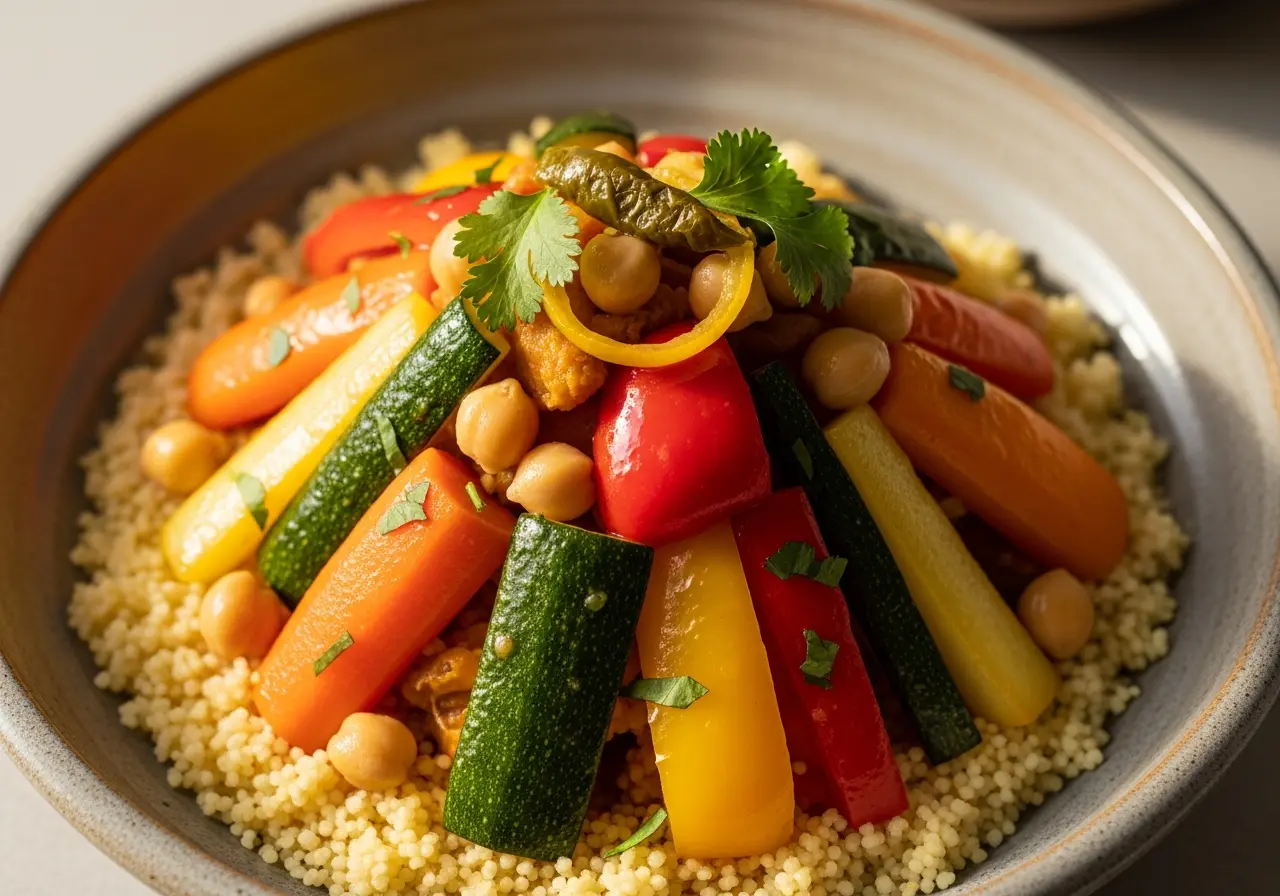
- Combine couscous and veggies: Transfer the couscous to a large serving dish. Top with the warm vegetable and chickpea stew, spooning the sauce evenly over the grains.
- Garnish and serve: Sprinkle freshly chopped cilantro and scatter halved cherry tomatoes for a fresh, juicy pop of color. Serve with lemon wedges on the side for a zesty brightness.
Tips for Success
- Fresh vegetable selection: Choose firm, brightly colored produce. Opt for seasonal squash, sweet carrots, and plump tomatoes. If possible, visit yoru local farmer’s market for vibrant heirloom varieties that heighten flavor and texture.
- Spice balance: Ras el hanout is a quintessential Moroccan spice blend. If unavailable, make your own mix combining coriander, cardamom, turmeric, ginger, and cinnamon. Toast spices lightly before use to deepen their flavor.
- Make ahead: Cook your vegetable stew a day in advance. Flavors intensify overnight, making your dish even more fragrant and satisfying.
- Vegetarian and vegan pleasant: This recipe is naturally plant-based. For a protein boost, serve with a side of grilled halloumi or roasted almonds.
Creative Serving Suggestions to Celebrate Vibrant Veggie Couscous
To honor the colorful spirit of Exploring Moroccan Couscous with Vibrant Veggie Flavors, present your dish family-style on a large, shallow platter. Layer the couscous as a golden bed, then arrange vegetables artistically on top-allowing their hues to shine.Garnish with fresh herbs like mint or parsley, sprinkle toasted pine nuts or slivered almonds for crunch, and offer preserved lemon slices to add a tangy contrast. Pair it alongside warm flatbreads or a chilled cucumber-yogurt salad for a cooling complement. This not only enhances the visual appeal but invites conversation and shared enjoyment-true to Moroccan tradition.

| Nutrient | Per Serving |
|---|---|
| Calories | 320 kcal |
| Protein | 9 g |
| Carbohydrates | 58 g |
| Fat | 6 g |
For an insightful dive into the cultural significance of Moroccan spices and couscous, visit Britannica’s couscous overview. Also, check out our refreshed Moroccan spices guide to master seasoning nuances with confidence.
Q&A
Q&A: Exploring Moroccan Couscous with Vibrant Veggie Flavors
Q: What makes Moroccan couscous distinct from other types of couscous dishes?
A: Moroccan couscous is much more than just steamed semolina grains - it’s a vibrant celebration of flavors, textures, and aromas. Traditionally, it’s steamed multiple times to achieve a light, fluffy texture and then paired with a rich, aromatic stew brimming with spices like cumin, coriander, cinnamon, and saffron. What sets it apart is the harmony between the delicate couscous and the intensely flavored vegetables and brothy tagines that accompany it.
Q: How do vibrant vegetable flavors enhance Moroccan couscous?
A: Vegetables like carrots, zucchini, pumpkin, chickpeas, and sweet raisins bring layers of color, sweetness, and earthiness that complement the warm spices beautifully. These veggies not only add nutritional depth but also texture contrasts – tender but slightly crisp – making each bite an exciting, well-rounded experience.Q: Which spices are essential for achieving authentic Moroccan flavors in a veggie couscous?
A: Think of a warm and aromatic spice palette: cumin, coriander, turmeric, cinnamon, ginger, paprika, and occasionally a pinch of saffron. Ras el hanout, a North African spice blend, also plays a starring role. These spices work together to create a complex, deep flavor base that transforms simple vegetables into something magical.
Q: Is it possible to make vegetarian or vegan Moroccan couscous without losing authentic taste?
A: Absolutely! Conventional Moroccan couscous frequently enough includes meat, but the robust vegetables and spices shine just as brightly on their own. Using vegetable broth instead of meat-based stock, plenty of spices, and layering flavors ensures a rich, satisfying dish that honors Moroccan culinary traditions while embracing plant-based goodness.
Q: Are there any tips for preparing the couscous itself to capture that authentic Moroccan texture?
A: Yes! To replicate the fluffy, light texture, soak the couscous in cold water first, then fluff it gently with a fork before steaming it-ideally in a couscoussier (a special double-chambered pot). if you don’t have one, steaming the couscous in a fine mesh sieve above the simmering stew works well, too. Repeat steaming once or twice more for a perfectly airy result.
Q: How can home cooks incorporate seasonal veggies to keep Moroccan couscous fresh and exciting year-round?
A: Moroccan couscous is a brilliant canvas for seasonal produce. In spring,use tender asparagus and peas; summer invites eggplant and tomatoes; autumn welcomes pumpkin and sweet potatoes; and winter highlights root vegetables like carrots and turnips. Adjust the spice levels accordingly – fresher veggies call for lighter steaming and spices,heartier ones benefit from longer simmering to deepen flavors.
Q: What sides or accompaniments traditionally complement Moroccan couscous with veggies?
A: Classic Moroccan sides include harissa (a spicy chili paste), preserved lemons, olives, and fresh herbs like cilantro and parsley. Mint tea is often served alongside to cleanse the palate. These extras add bursts of heat, tang, and freshness, rounding out the meal with that unmistakable Moroccan flair.
Q: Can Moroccan couscous be enjoyed beyond a main dish?
A: Certainly! Leftover couscous makes a stunning base for vibrant salads, mixing in fresh herbs, lemon juice, roasted nuts, and crisp veggies. It can also be used as a stuffing for peppers or eggplants or even transformed into fritters, showcasing the dish’s versatility far beyond the traditional table.
Moroccan couscous with vibrant veggie flavors is a feast for the senses-colorful, fragrant, and heartwarming. Whether you’re a seasoned cook or new to North African cuisine, this dish invites you to explore a symphony of tastes rooted in history and made alive on your plate.
Final Thoughts
As we conclude our flavorful journey through the colorful world of Moroccan couscous,it’s clear that this humble grain is so much more than a side dish-it’s a vibrant canvas for the garden’s freshest offerings. Each bite tells a story of sun-kissed spices,tender vegetables,and time-honored traditions that transform simple ingredients into a celebration of culture and taste.Whether you’re a seasoned foodie or a curious cook, embracing these vivid veggie flavors invites you to experience Moroccan cuisine in all its aromatic glory. So next time you gather around the table, let couscous be your passport to a new adventure-one that honors the roots of a rich culinary heritage while bursting with the lively colors of nature’s bounty.