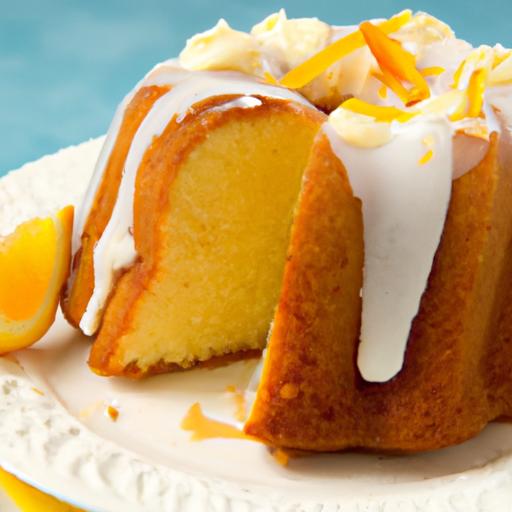


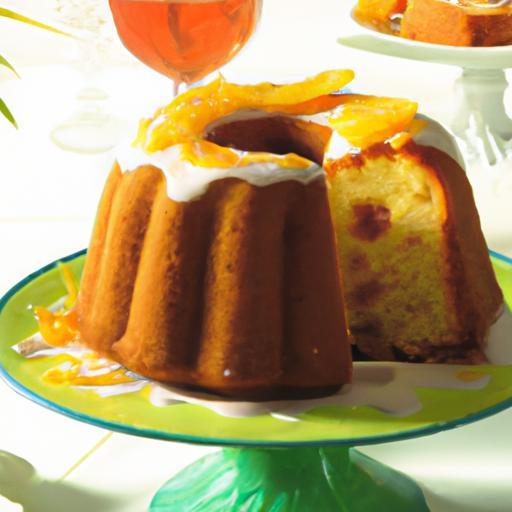
There’s a certain magic in the way an orange chiffon cake melts on your tongue-a delicate dance of airy lightness and vibrant citrus that feels like sunshine captured in a slice.But achieving that perfect fluff, that ethereal texture paired with bright, zesty flavor, is no mere accident. Behind every cloud-like crumb lies a careful balance of technique, ingredients, and timing. In this article, we unravel the secrets of the fluffy Delight, guiding you through the art and science that turn simple pantry staples into the ultimate orange chiffon cake. Prepare to transform your baking and bring a slice of citrus heaven to your table.
Understanding the Science of Chiffon Cake’s Airy Texture
Fluffy Delight is a celebration of chemistry and technique, blending the art of baking with science to create the perfect orange chiffon cake. At it’s core, the allure of chiffon relies on the delicate balance between the structure of the batter and the air trapped inside. The secret lies in beating egg whites to form tiny, stable air bubbles and folding them gently into a yolk-rich batter, creating an ethereal crumb that practically melts on your tongue.
The egg whites act as natural leavening agents, and their proteins form a web that traps air during whipping. This trapped air expands during baking, giving the chiffon its iconic fluffy lift. the magic continues with the flour and oil combination-flour provides enough gluten structure to hold the aerated batter, while oil keeps the crumb moist and tender, distinguishing chiffon from denser sponge cakes. Citrus elements like fresh orange juice introduce acidity, enhancing tenderness by subtly breaking down gluten chains without compromising strength.
Choosing the Right Ingredients for Ultimate Fluffiness
To achieve the hallmark fluffiness of this cake, select fresh, high-quality eggs, preferably at room temperature to whip effortlessly. Use cake flour or finely sifted all-purpose flour to ensure a light, delicate crumb. The oil must be neutral and smooth, such as vegetable or canola oil, providing moisture without overpowering the bright citrus notes. Freshly squeezed orange juice and zest infuse the batter with vibrant aroma and tanginess, while a pinch of cream of tartar stabilizes the egg whites, helping maintain the airiness.
Sugar plays a dual role: sweetening while also tenderizing the batter by interfering with gluten formation. Balancing sweetness with natural acidity from orange components keeps the final slice light and refreshing.
Mastering the Technique of Folding for Light and Tender Batter
The folding process is an art form that demands patience and a gentle touch. Start by beating the egg whites just until shiny stiff peaks form,not dry-this ensures elasticity for the best volume. When incorporating the whites into the yolk mixture,use a spatula to fold in thirds,carefully lifting the batter from the edges and turning it over without deflating the precious air bubbles. Avoid overmixing; you want a uniform mixture, but with visible air pockets to maintain that signature lift.
This delicate maneuver balances aeration with structure, so the batter is neither too loose nor overly dense. It’s helpful to use a wide bowl for folding and to pause between folds,watching how the mixture gently swells. This technique ensures the most tender crumb while preserving volume.
Baking Tips and Tricks to Achieve the Perfect golden Crust
To complement the ethereal texture, the golden crust adds a slight resistance and subtle caramel notes that contrast beautifully with the soft interior. Preheat your oven thoroughly to an even 325°F (163°C). Use a tube pan without greasing to allow the batter to cling to the sides and climb upwards, securing a tall rise. Position the pan on the middle rack and avoid opening the oven door during the first 25-30 minutes to prevent sinking.
If desired, a light dusting of granulated sugar before baking can encourage a delicate sparkle and golden sheen on the crust. Baking time varies between 50 to 60 minutes; test doneness with a skewer inserted near the center-it should come out clean but moist. Once out of the oven, invert the pan immediately onto a bottle or rack to cool wholly upside down-this prevents collapse and maintains height.
Following these techniques with precision unlocks the full potential of the Fluffy Delight orange chiffon cake: a tender, buoyant cake crowned with a crisp, glowing crust that beckons a slice.
Prep and Cook Time
- Planning: 25 minutes
- Baking: 55 minutes
- Cooling: 1 hour (inverted)
Yield
serves 10-12 slices
Difficulty Level
Medium
Ingredients
- 1 ½ cups cake flour, sifted
- 1 cup granulated sugar, divided
- 1 tablespoon baking powder
- ½ teaspoon salt
- 7 large eggs, separated (room temperature)
- ½ cup freshly squeezed orange juice
- 1 tablespoon orange zest
- ⅓ cup vegetable oil
- 1 teaspoon vanilla extract
- ¼ teaspoon cream of tartar
Instructions
- Preheat the oven to 325°F (163°C). Do not grease or flour the 10-inch tube pan.
- Sift together cake flour, ½ cup sugar, baking powder, and salt into a large bowl.
- In a separate bowl, whisk the yolks with orange juice, orange zest, oil, and vanilla extract until smooth and combined.
- Gradually add the wet ingredients to the dry ingredients, stirring gently until just combined; do not overmix.
- Using an electric mixer,beat the egg whites with cream of tartar until foamy.
- Gradually add the remaining ½ cup of sugar to the egg whites, and continue beating until stiff, glossy peaks form.
- Gently fold one-third of the egg whites into the yolk batter to lighten it.
- Carefully fold in the remaining egg whites in two additions, using a rubber spatula; fold with slow, sweeping motions to preserve the air bubbles.
- Pour the batter into the ungreased tube pan, smoothing the top with the spatula.
- Bake for 50-60 minutes, or until a skewer inserted in the center comes out clean but moist.
- Immediately invert the pan over a bottle neck or cooling rack; let cool completely for about 1 hour before unmolding.
- Run a thin knife around the edges and center tube to carefully release the cake. Transfer to a serving plate.
Tips for Success
- Room temperature eggs whip to a greater volume, enhancing fluffiness.
- Do not grease the pan: chiffon batter climbs the sides,which helps the cake rise and hold shape.
- Stabilize egg whites with cream of tartar or a few drops of lemon juice for maximum volume and stability.
- Fold with patience; over-folding deflates the batter and results in a denser cake.
- If you prefer extra citrus aroma, try adding a teaspoon of orange blossom water for a delicate floral lift.
- Use a skewer test but avoid overbaking to keep the crumb moist.
- Store covered at room temperature for up to two days or freeze in airtight containers for longer storage.
Serving Suggestions
This luscious chiffon cake is a delight served simply dusted with powdered sugar and accompanied by a dollop of freshly whipped cream. For a lively contrast, drizzle with a tangy orange glaze or garnish with vibrant candied orange slices and a scattering of toasted almond slivers. A cup of earl Grey or a bright green tea elevates the experience, allowing the orange notes to sing.
| Nutrient | Per Serving |
|---|---|
| Calories | 210 kcal |
| Protein | 5 g |
| Carbohydrates | 28 g |
| Fat | 8 g |

Discover more about the magic of cake textures in our comprehensive guide to light sponge cakes, and for scientific insights on egg whites and aeration, visit ScienceDaily’s detailed clarification.
Q&A
Q&A: Fluffy Delight – The Secrets Behind Perfect Orange Chiffon Cake
Q1: What makes an orange chiffon cake “fluffy” compared to other cakes?
A1: The secret lies in the delicate balance between air and moisture.Chiffon cakes use whipped egg whites folded gently into the batter, creating countless air bubbles that expand during baking. This technique transforms the cake into a cloud-like texture, light yet tender, unlike denser butter or pound cakes.
Q2: Why is orange such a perfect flavor for chiffon cake?
A2: Orange brings a bright, zesty freshness that cuts through the cake’s sweetness. Its natural citrus oils soften the crumb while adding fragrant,invigorating notes. The subtle tang complements the cake’s airy structure, making each bite a refreshing delight.
Q3: How important is the method of folding egg whites into the batter?
A3: it’s absolutely critical! Folding egg whites gently preserves the air bubbles trapped during whipping. Overmixing or stirring too vigorously deflates those bubbles, resulting in a denser, less fluffy cake. Using a spatula in a slow,circular motion is the golden rule.
Q4: Can you explain the role of oil in orange chiffon cake?
A4: Unlike cakes baked with butter, chiffon cakes rely on a neutral oil to keep the crumb moist without weighing it down. Oil coats the flour proteins, limiting gluten formation, which helps keep the cake tender. Plus, oil’s liquid state ensures it evenly blends with the citrus juice for consistent flavor.
Q5: Is there a trick to achieving a perfectly even rise in chiffon cake?
A5: Yes! Using an ungreased tube pan encourages the batter to cling and climb the sides during baking, providing excellent structure and height. Additionally,baking at a moderate temperature allows the cake to rise steadily without collapsing.
Q6: How can you enhance the orange flavor without overpowering the cake?
A6: Balance is key. Combine freshly grated orange zest with a splash of fresh orange juice for layered citrus notes. Adding a hint of vanilla or a touch of almond extract can complement the orange without stealing the spotlight.
Q7: What’s the ideal way to cool a chiffon cake?
A7: Cooling upside down is essential. After baking, invert the tube pan and let the cake cool suspended this way. This prevents the delicate batter from collapsing under its own weight, maintaining its lofty, airy structure.Q8: Are there any common pitfalls to avoid when making orange chiffon cake?
A8: overbeating the egg whites or underfolding them into the batter are the biggest missteps. Also, avoiding greasing the pan is crucial; greasing can prevent proper rising.Lastly, don’t rush the cooling process-patience ensures that signature delicate texture.
Q9: Can one make an orange chiffon cake ahead of time? How should it be stored?
A9: Absolutely! Wrap the cooled cake tightly with plastic wrap and store it in an airtight container at room temperature for up to two days. For longer storage, refrigeration works, but bring the cake back to room temperature before serving to revive its softness.
Q10: What pairing ideas best complement the delicate flavor of orange chiffon cake?
A10: Light accompaniments like whipped cream, fresh berries, or a dusting of powdered sugar enhance the cake without overpowering it.A drizzle of a mild citrus glaze can amplify the flavor, turning a simple slice into an elegant dessert experience.
Concluding Remarks
As you close the chapter on the sweet secrets of the perfect orange chiffon cake, may your kitchen be filled with the zesty aroma of freshly grated orange peel and the airy promise of delicate folds. This cake, a harmonious dance of lightness and citrus, reminds us that baking is both science and art-a blend of precise technique and joyful intuition. Whether you’re a seasoned baker or a curious novice, embracing these fluffy delights can turn any ordinary day into a celebration of texture, flavor, and sunshine on a plate. So go ahead, whisk with confidence, fold with care, and let your next chiffon creation rise to a new height of citrusy perfection.