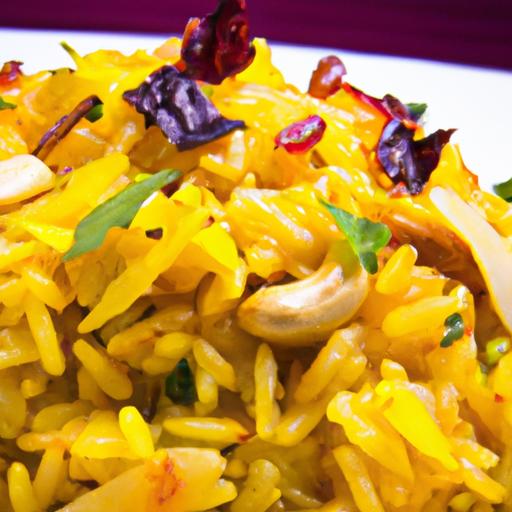


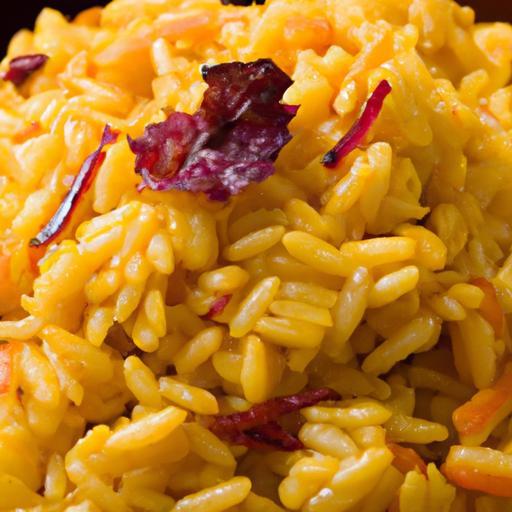
In kitchens across the world, few ingredients possess the power to transform a simple dish into an extraordinary experience quite like saffron. Known as the “golden spice,” saffron’s delicate threads infuse rice with a luminous hue and a complex bouquet that dances between floral sweetness and earthy warmth. Saffron rice pilaf is more than just a side dish; it is a festivity of history, culture, and culinary artistry woven into every fragrant grain. In this exploration of golden aromas,we delve into the story,technique,and irresistible flavor that elevate saffron rice pilaf from a humble staple to a timeless masterpiece on the palate.
Golden Aromas: the Art and Flavor of Saffron Rice Pilaf invites you on a sensory journey deep into culinary heritage,where the vivid hue and intoxicating fragrance of saffron transform humble grains into an unforgettable masterpiece. Drawing from Persian, Mediterranean, and South Asian traditions, saffron rice pilaf holds a special place on tables across the world. Personally, crafting this dish always feels like weaving a story-each thread of saffron blossom echoing centuries of celebration and warmth. Its delicate earthy bitterness, floral undertones, and captivating golden color create a multisensory experience that instantly elevates any meal.
Prep and Cook Time
- Prep Time: 15 minutes
- Cook Time: 30 minutes
- Total Time: 45 minutes
Yield
Serves 4 generous portions
Difficulty Level
Medium – approachable for cooks comfortable with precise flavor layering and stovetop techniques
Ingredients
- 1 ½ cups basmati rice, rinsed and soaked in cold water for 30 minutes
- 2 ¼ cups water or low-sodium chicken broth
- ½ teaspoon high-quality saffron threads (soaked in 3 tablespoons warm water)
- 3 tablespoons unsalted butter or neutral oil (like light olive or grapeseed oil)
- 1 medium onion, finely chopped
- 2 cloves garlic, minced
- ½ teaspoon ground cumin
- ¼ teaspoon ground cinnamon
- Salt, to taste
- Freshly ground black pepper, to taste
- 2 tablespoons toasted slivered almonds or pistachios (optional garnish)
- Fresh chopped parsley or cilantro for garnish
Instructions
- Prepare saffron infusion: Place saffron threads into a small bowl with 3 tablespoons of warm water. Allow to steep for at least 10 minutes to release vibrant color and aroma.
- Rinse and soak rice: Thoroughly rinse rinsed basmati rice until water runs clear. Soak in cold water for 30 minutes to ensure fluffy, separate grains after cooking. Drain well before use.
- sauté aromatics: Heat butter or oil in a heavy-bottomed saucepan over medium heat.Add finely chopped onion and sauté until translucent and lightly golden, about 5 minutes. Stir in minced garlic, ground cumin, and cinnamon, cooking for another minute until fragrant.
- Toast the rice: Add drained rice to the pan and gently stir to coat each grain with aromatic butter and spices. Toast for 2-3 minutes, stirring gently to avoid breaking grains, until rice emits a nutty fragrance.
- Add liquids: Pour saffron infusion (including threads) and water or broth into the pan. Season with salt and freshly ground black pepper. Stir once gently,then bring mixture to a boil.
- Simmer to perfection: Once boiling, reduce heat to low, cover tightly with a lid, and allow rice to simmer gently for about 15-18 minutes without lifting the lid. This ensures steam traps tenderizes each grain.
- rest the rice: Remove from heat and keep covered for an additional 10 minutes. This resting period finishes the cooking by allowing trapped steam to enhance texture and flavor.
- Fluff and serve: gently fluff saffron rice pilaf with a fork, stirring to evenly distribute the golden hues. Transfer to a serving bowl and sprinkle with toasted nuts and chopped fresh herbs for contrast and crunch.
Chef’s Notes: Tips for Success
- Selecting saffron: Choose deep red threads with slight orange tips – these indicate fresh, potent saffron. Avoid powdered forms for best aroma and appearance. Store saffron in a cool, dark place to preserve its qualities.
- Water vs. broth: For a richer profile, substitute water with vegetable or chicken broth. This adds layers without overpowering saffron’s delicate essence.
- Rice texture: Avoid sticky or mushy rice by soaking and rinsing thoroughly, using the exact water ratio, and not stirring during simmering.
- Variations: Incorporate finely diced carrots, peas, or golden raisins during the sauté stage for colorful, textural bursts. Coconut milk can replace some liquid for a creamy twist.
- Make-ahead: Prepare saffron rice pilaf up to 24 hours ahead. Reheat gently with a sprinkle of water to restore moisture, covered to retain steam.
Creative Pairings and serving Suggestions
The enchanting flavor of saffron rice pilaf complements a variety of dishes, making it an ideal canvas for vibrant meals. pair it alongside grilled chicken marinated in lemon and herbs, slow-cooked lamb tagine, or a hearty vegetable stew for a wholesome, balanced plate. A dollop of cool yogurt or raita adds soothing contrast, while a side of charred vegetables introduces smoky depth.
For an elegant presentation, spoon pilaf into individual molds and invert onto warm plates. Garnish with toasted almonds or pistachios for crunch and vivid green herbs to emphasize saffron’s golden vibrancy. A light drizzle of pomegranate molasses or a handful of fresh pomegranate jewels brings tangy sweetness and visual intrigue.
| Nutrient | Per Serving |
|---|---|
| Calories | 280 |
| Protein | 6g |
| Carbohydrates | 52g |
| Fat | 5g |

For those craving to explore more fragrant rice dishes, check out our guide on exquisite Persian Rice Recipes. To deepen your saffron knowledge, visit the International Saffron Association.
Q&A
Q&A: Exploring the Golden Elegance of Saffron Rice Pilaf
Q1: What makes saffron rice pilaf such a beloved dish across different cultures?
A1: Saffron rice pilaf is cherished worldwide for its mesmerizing aroma, vibrant golden hue, and delicate flavor. The luxurious saffron threads infuse the rice with a subtle floral, honeyed essence that transforms a simple grain into an elegant culinary experience. Its versatility allows it to complement a range of dishes-from spicy Middle Eastern stews to Mediterranean grilled vegetables-making it a global symbol of hospitality and celebration.
Q2: How does saffron impart its signature flavor and color to the rice?
A2: Saffron’s magic begins when its tiny stigmas are gently steeped in warm water or broth, releasing their essential oils and vivid pigments. This saffron-infused liquid is then absorbed by the rice during cooking, coating each grain with a golden glow and delicate, earthy-sweet notes. The process not only colors the dish but also layers it with a nuanced depth that balances richness with subtlety.
Q3: What rice varieties work best for a fluffy and fragrant saffron pilaf?
A3: Long-grain varieties such as Basmati or Jasmine shine when making saffron pilaf. Their elongated grains tend to remain separate and fluffy after cooking, providing the perfect canvas for saffron’s delicate presence. These aromatic rices introduce their own gentle fragrance, echoing saffron’s floral tones and enhancing the dish’s overall complexity.
Q4: Are there secrets to achieving the perfect texture in saffron rice pilaf?
A4: Absolutely! The key lies in rinsing the rice thoroughly to remove excess starch, which prevents clumping. Toasting the rice lightly in butter or olive oil before adding liquid deepens its flavor. Using a well-measured amount of saffron-infused broth and cooking over gentle heat allows the rice to absorb the flavors fully while staying tender and separate. letting the pilaf rest covered for a few minutes after cooking helps steam the grains to perfect fluffiness.
Q5: Can saffron rice pilaf be adapted for different dietary preferences?
A5: Saffron rice pilaf is delightfully adaptable and naturally gluten-free, vegan-friendly (when prepared without butter), and easily tailored to many dietary needs. Swapping butter for olive oil or coconut oil can keep it plant-based, while adding toasted nuts, dried fruit, or fresh herbs elevates texture and flavor without introducing animal products. This versatility makes saffron pilaf a welcoming side or centerpiece for diverse menus.
Q6: What complementary flavors or ingredients tend to pair beautifully with saffron pilaf?
A6: Saffron’s subtlety pairs wonderfully with ingredients that bring balance and contrast. Toasted almonds or pistachios add crunch and nuttiness; golden raisins or dried apricots introduce sweet bursts; fresh herbs like parsley, cilantro, or mint bring brightness; and sautéed onions or garlic deepen the savory profile. together, these elements create layers of flavor that play off saffron’s warmth.
Q7: How does preparing saffron rice pilaf connect us to culinary traditions?
A7: Cooking saffron rice pilaf is a journey through history and culture. From Persian banquets to Moroccan feasts, the dish reflects centuries of trade, artistry, and celebration. Handling saffron-once dubbed “red gold”-invites a sense of reverence and creativity,linking cooks today to generations who prized this spice’s rarity and beauty. Each fragrant, golden bite carries a story of cultural fusion and timeless elegance.
Q8: Are there any tips for sourcing and storing saffron to retain its quality?
A8: Look for saffron strands that are deep red with slightly orange tips-these indicate high-quality stigmas. Avoid powders or blends, as they often contain fillers.Store saffron in an airtight container away from light and moisture to preserve its pungent aroma and flavor. Since saffron’s potency is delicate, a little goes a long way, so careful storage ensures each pinch remains as enchanting as the first.
Embrace the golden scent of saffron in your kitchen and discover how this ancient spice elevates rice to an artful signature of warmth, elegance, and flavor.
In Retrospect
As the final grains of saffron rice pilaf settle on your plate, you’re left with more than just a dish-you’re savoring a story steeped in history, culture, and craftsmanship. The golden hues and fragrant whispers of saffron transform simple rice into an aromatic masterpiece, bridging continents and generations with every bite. Whether served alongside robust stews or enjoyed as a standalone celebration of spice and texture, saffron rice pilaf invites you to explore the art of flavor in its most radiant form. Embrace this culinary treasure, and let each fragrant spoonful transport you to sunlit fields where the world’s most precious spice begins its journey.