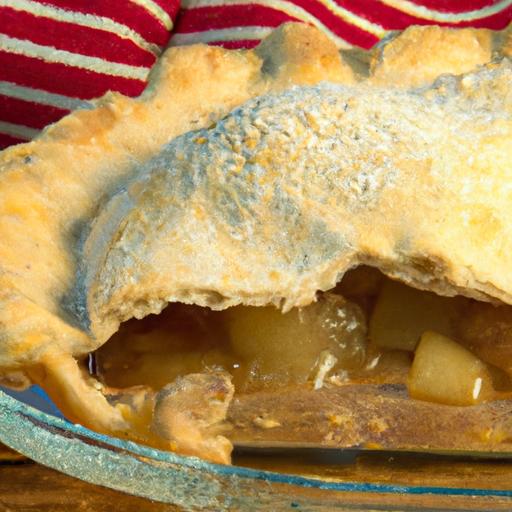


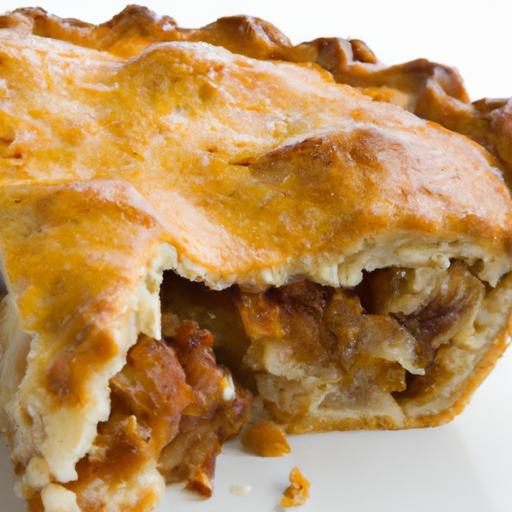
There’s something undeniably magical about a homemade pie-the golden,flaky crust that shatters with each bite,the rich,bubbling filling that promises comfort adn celebration in every forkful. “Crafting Delight: The Art of homemade Pies from Scratch” invites you on a journey beyond the supermarket aisles and pre-made pastries, straight into the heart of conventional baking. Here, pie-making transforms from a simple recipe into an art form-a dance of patience, technique, and creativity that culminates in a creation as much about love as it is indeed about flavor. Whether you’re a seasoned baker or a curious novice, this article will unveil the secrets, tips, and inspirations needed to turn humble ingredients into edible masterpieces that delight the senses and warm the soul.
Crafting Delight: The Art of Homemade Pies from scratch
Crafting delight begins with selecting the freshest and most vibrant ingredients to build pie flavors that enchant both the eyes and the palate. Each element, from the buttery crust to the luscious filling, tells a story – one of patience, passion, and culinary artistry. Whether it’s a crisp autumn apple mingling with fragrant cinnamon or a bold medley of berries bursting with sunlight, these details set the stage for memorable homemade pies that bring warmth to any table.
prep and Cook Time
- Preparation: 30 minutes
- Chilling Dough: 1 hour
- Cooking/Baking: 45-55 minutes
- Total Time: Approximately 2.5 hours (including chilling)
Yield
Serves 8 generous slices
Difficulty Level
Medium
Ingredients
- For the crust:
- 2 ½ cups all-purpose flour, sifted
- 1 cup unsalted butter, cold and cubed
- 1 teaspoon fine sea salt
- 1 tablespoon granulated sugar (optional, for a hint of sweetness)
- 6-8 tablespoons ice-cold water
- For the filling:
- 5 cups fresh fruit, sliced (such as apples, berries, or peaches)
- ¾ cup granulated sugar
- ¼ cup brown sugar
- 2 tablespoons cornstarch (to thicken)
- 1 teaspoon lemon zest and 1 tablespoon lemon juice
- 1 teaspoon ground cinnamon or nutmeg (depending on fruit choice)
- 1 teaspoon vanilla extract
- 1 tablespoon unsalted butter cut into small pieces (for dotting)
- For finishing:
- 1 egg, beaten (for egg wash)
- 1 tablespoon coarse sugar (optional, for sparkle)
Instructions
- Prepare the crust: In a large bowl, whisk together the flour, salt, and sugar.Add the cold butter, then use a pastry cutter or your fingertips to blend the butter into the flour until the mixture resembles coarse crumbs with pea-sized pieces of butter remaining. Keep butter cold for flakiness.
- Add ice water gradually: drizzle 1 tablespoon of ice water at a time, gently stirring with a fork until the dough just comes together. Avoid overworking-stop when dough holds form.
- Shape and chill dough: Divide dough into two discs,wrap in plastic,and refrigerate for at least 1 hour. Chilling prevents shrinkage and helps with rolling.
- Prepare the filling: In a large mixing bowl,toss your chosen fruit with both sugars,cornstarch,lemon zest and juice,cinnamon or nutmeg,and vanilla extract. Let the flavors marry as you roll your crust.
- Roll out the dough: On a lightly floured surface, roll out one disc to about 12 inches in diameter for the bottom crust. Transfer to a 9-inch pie plate,easing it into place without stretching.
- Fill and dot with butter: Pour the filling into the crust, spreading evenly. Dot the fruit with small pats of butter for richness and shine during baking.
- Add the top crust: Roll out the second disc similarly. For a traditional look, cut slits for steam vents, or craft a lattice pattern for visual appeal. Carefully place atop filling and seal edges by crimping with fingers or a fork.
- Apply egg wash: Brush the crust generously with beaten egg, ensuring even coverage for glossy golden baking. Sprinkle coarse sugar over the top if desired.
- Bake: Preheat oven to 400°F (200°C). Bake pie for 45-55 minutes until crust is golden and filling is bubbly. Tent loosely with foil halfway through if edges brown too fast.
- Cool before serving: Let the pie rest on a wire rack at least 2 hours for the filling to set and flavors to develop fully.
Chef’s Notes: Tips for Success
- Ingredient quality matters: Use fresh, ripe fruit and cold butter for ultimate texture and flavor in both filling and crust.
- Avoid overworking dough: Handle as little as possible to preserve flaky layers. Use cold tools and ingredients.
- Rest chilled dough: Chilling relaxes gluten and firms the fat so the dough won’t shrink during baking.
- Thicken wisely: Cornstarch is your best friend for a thick yet glossy filling – avoid using too much to keep the fruit’s juiciness.
- Customize spice blends: cardamom or ginger can add warmth in place of cinnamon or alongside it for an aromatic twist.
- Make-ahead: Complete pies can be frozen before baking – wrap carefully and bake from frozen, adding extra 15 minutes to baking time.
- Internal link: For more on perfect pie crusts, see our Ultimate Pie Crust Techniques.
- External resource: For detailed baking science and crust tips, visit King Arthur Baking’s Pie Crust Guide.
Serving Suggestions
Present slices of this flaky, tender pie warm or at room temperature for best flavor. A scoop of creamy vanilla bean ice cream or a dollop of softly whipped cream complements the natural sweetness and textural contrast beautifully. Garnish with a sprinkle of finely chopped toasted nuts or fresh mint leaves to elevate the plate visually and add a layer of aroma.Pair with a cup of spiced tea or a robust coffee for an indulgent afternoon delight.
| Nutrient | Per Serving |
|---|---|
| Calories | 320 kcal |
| Protein | 3 g |
| Carbohydrates | 45 g |
| Fat | 12 g |

Q&A
Q&A: Crafting Delight – The Art of Homemade Pies from Scratch
Q1: What makes homemade pies so special compared to store-bought ones?
A1: Homemade pies carry a unique charm that store-bought versions often lack. From the tactile pleasure of kneading dough to the aroma that fills your kitchen, crafting a pie from scratch is a sensory experience. You have complete control over the ingredients, ensuring freshness and customizing flavors to your heart’s content. Each pie becomes a personal masterpiece-imperfect yet bursting with love and authenticity.
Q2: What are the key elements to focus on when making pie crust?
A2: The cornerstone of any great pie is the crust. The magic lies in balancing cold, flaky butter (or an option fat) with just enough water to bring the dough together without overworking it. Keeping ingredients cold helps create those flaky layers, while gentle handling prevents toughness.Don’t forget the importance of chilling the dough before rolling-it allows the gluten to relax and the fat to firm up, ensuring a tender, crisp crust.Q3: Can you share tips for rolling out pie dough without it sticking or tearing?
A3: Absolutely! Dust your work surface and rolling pin lightly with flour, but avoid over-flouring, which can dry out the dough.Roll from the center outward in all directions, turning the dough frequently to maintain a round shape and prevent sticking. If the dough becomes too warm or soft, pop it back into the fridge for a few minutes. Using a silicone baking mat can also provide a non-stick surface that’s gentle on your dough.
Q4: How do you choose the perfect filling for your pie?
A4: The perfect filling balances flavor, texture, and moisture. Fruits like apples, berries, or peaches bring natural sweetness and acidity, while custard or cream fillings offer luscious richness. Consider the sweetness and juiciness of your ingredients-too much liquid can make your crust soggy. Adding a touch of thickener such as cornstarch or tapioca helps maintain the filling’s structure and creates that luscious, sliceable texture everyone craves.
Q5: What’s the secret to achieving a golden, flaky crust that holds up during baking?
A5: A few tricks work wonders. First, an egg wash brushed over the crust before baking lends a stunning sheen and rich color. Ensuring your oven is fully preheated means the crust sets quickly, locking in flakiness. Baking the pie on a lower rack can help avoid burning the top while fully cooking the bottom. using pie weights during blind baking (if your filling requires it) protects the crust from bubbling up and shrinking.
Q6: How can I add a creative, personal touch to my pies?
A6: Let your creativity run wild! Experiment with lattice tops, intricate cut-out patterns, or decorative edges on your crust. Incorporate unexpected herbs and spices like fresh thyme or star anise into your fillings for subtle depth. Play with color by brushing fruit juices or natural dyes onto your crust before baking. Every detail, from the crust’s design to the filling’s layering, is an possibility to narrate your story and celebrate the art of pie-making.
Q7: Are there tips for baking pies in different types of ovens or environments?
A7: Indeed! Every oven has its quirks. Convection ovens circulate hot air and frequently enough bake faster; reduce your temperature slightly and keep a close watch. Conventional ovens require more even heat distribution,so rotating your pie halfway helps.for those baking at high altitudes, extra hydration and reduced leavening agents balance the drying effects. using an insulated baking sheet or stone can promote even heat and help prevent a soggy bottom.
Q8: What do you recommend for storing homemade pies to maintain freshness?
A8: Cool your pie completely before covering to avoid condensation making the crust soggy. For fruit pies, room temperature storage for 1-2 days preserves the ideal texture and flavor; longer storage benefits from refrigeration. Cream or custard pies always go straight into the fridge. When ready to enjoy again, a brief warm-up in the oven revives that just-baked magic, crisping the crust and softening the filling.
Feel inspired? With these insights into the art of homemade pies, your kitchen is primed for creations that delight both the eye and palate-one crust-flake at a time!
To Wrap It Up
As the final crust crumbles and the sweet aroma of a perfectly baked pie fills your kitchen, you realize that baking from scratch is more than just a culinary task-it’s a heartfelt tradition, an expression of creativity, and a delicious journey in every bite. Crafting homemade pies invites you to slow down, savor the simple pleasures, and connect with time-honored techniques that transform humble ingredients into edible works of art. So, whether you’re rolling out dough for your first pie or perfecting a century-old family recipe, remember that each pie you create carries with it a story-one of patience, passion, and the pure delight of making something truly your own. Happy baking!