

Nestled within the vibrant tapestry of Japanese cuisine lies a humble yet captivating treasure: the edamame pod. More than just a simple snack, these verdant green pods harbor a world of nutty delight waiting to be discovered. From bustling izakayas to serene tea houses, edamame has long been celebrated not only for its subtle flavor and satisfying texture but also for its rich cultural significance and nutritional prowess. In this article, we embark on a flavorful journey to unlock the secrets behind the beloved Japanese edamame pod-exploring its origins, culinary versatility, and the science that makes this unassuming legume a superfood sensation across the globe. Whether you’re a seasoned foodie or a curious newcomer, prepare to savor the story and savor the taste of this iconic snack like never before.
Unlocking the Nutty Delight of Japanese Edamame Pods invites you to journey into a snack that’s as culturally rich as it is appetizing.Originating in East Asia, edamame has thrived not just as a staple in Japanese cuisine but also as a beloved appetizer worldwide.These tender green soybeans in their pods captivate with a subtly nutty flavor-an earthy,buttery hint that feels both refreshing and comforting. Not only does edamame offer a palate-pleasing experience,but it also boasts extraordinary nutritional benefits,making it a wise and wholesome choice for snacking or enhancing everyday meals.
Prep and Cook Time
preparation: 5 minutes | Cooking: 7 minutes | Total Time: 12 minutes
Yield
Serves 4 as a snack or appetizer
Difficulty Level
Easy
Ingredients
- 1 lb fresh or frozen edamame pods (in-shell soybeans)
- 4 cups water
- 1 tablespoon coarse sea salt (plus extra for seasoning)
- 1 teaspoon toasted sesame oil (optional, for finishing)
- Optional garnishes: flaky sea salt, chili flakes, lemon zest
Instructions
- Bring water and salt to a boil: In a large pot, combine 4 cups of water and 1 tablespoon of coarse sea salt. Bring to a rolling boil to season the pods thoroughly while cooking.
- Add edamame pods: Toss in the edamame pods and gently stir to submerge. Boil for 5-7 minutes until the pods turn shining green and beans inside are tender but still have a slight bite.
- Test doneness: Drain one pod,cool briefly,then taste a bean to check texture. Undercooked pods are too firm; overcooked pods become mushy.
- Drain and season: drain the pods and immediately rinse under cold water to halt cooking and preserve the vibrant green color.
- Finish with seasoning: Toss warm edamame with a sprinkle of sea salt and a drizzle of toasted sesame oil, if using, to elevate the natural, nutty flavor.
- Serve promptly: Serve the pods warm or at room temperature for best texture and taste.
Tips for Success
- Choose fresh or frozen wisely: Fresh edamame pods offer a delicate flavor, but high-quality frozen pods retain excellent texture and are available year-round.
- Don’t skip salting the boiling water: This step seasons the beans from within, enhancing their natural nuttiness.
- Keep pods intact: Cooking edamame in the pod helps keep beans tender and juicy.
- Adjust seasoning creatively: Try a sprinkle of chili flakes for heat, a squeeze of lemon for brightness, or a light dusting of garlic powder for depth.
- Make ahead tip: boiled edamame can be chilled and reheated gently, but avoid overcooking on reheating to preserve texture.
Serving Suggestions
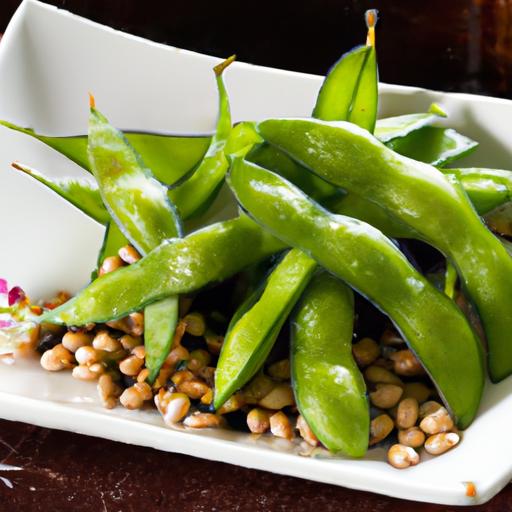
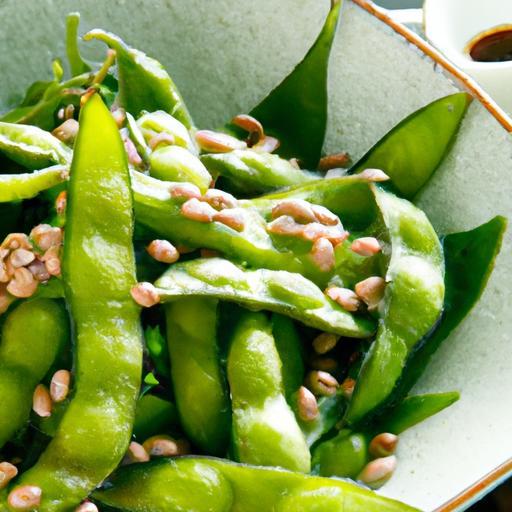
For a visually captivating presentation, serve your edamame pods in rustic bowls or bamboo steamers, garnished with a scattering of flaky sea salt and a few lemon wedges on the side. These work beautifully as a casual appetizer paired with chilled sake or green tea. For a modern twist, sprinkle toasted sesame seeds or drizzle a light soy-based dipping sauce infused with grated ginger and garlic. pairing this snack with crunchy raw vegetables or seaweed salad provides a harmonious contrast of textures and flavors. The vibrant green pods always steal the spotlight, perfect for adding a refreshing, healthy pop to any table.

Nutritional Information (Per 100g of cooked edamame pods)
| Calories | Protein | Carbohydrates | Fat |
|---|---|---|---|
| 121 kcal | 11 g | 9 g | 5 g |
Edamame’s rich plant-based protein and fiber content make it a fantastic addition to any balanced diet, and its natural antioxidants further contribute to overall wellness. For those exploring more Japanese culinary delights, check out our Japanese Miso Soup Recipe for a comforting and healthful combination.
For detailed scientific insights into edamame’s nutritional benefits, visit the American Society for Nutrition.
Q&A
Q&A: Unlocking the Nutty Delight of Japanese Edamame Pods
Q1: What exactly are Japanese edamame pods?
A1: Edamame are young, green soybeans harvested before they fully mature. These pods, often enjoyed in Japanese cuisine, are plump little packets of mild, nutty flavor and a satisfying bite. Unlike mature soybeans, they are tender and slightly sweet, making them a beloved snack and appetizer.
Q2: How do you prepare edamame pods to enjoy that perfect nutty taste?
A2: The classic method involves boiling or steaming the pods lightly in salted water. This simple preparation enhances their natural nuttiness while keeping the beans tender and juicy. after cooking, a sprinkle of coarse sea salt or a dash of chili flakes can add an extra flavor kick.
Q3: Why are edamame pods considered a healthy snack choice?
A3: Edamame pods are nutritional powerhouses, packed with plant-based protein, fiber, vitamins, and minerals.They’re low in calories but high in satisfaction, making them an excellent snack that helps fuel your body and keep hunger at bay-perfect for a mindful munch or post-workout boost.
Q4: Can the nutty flavor of edamame be enhanced with creative seasonings?
A4: Absolutely! Beyond the classic salt, imagine tossing your edamame in toasted sesame oil and a sprinkle of furikake (a Japanese seasoning blend).Or try a zingy combination of freshly grated ginger, garlic, and a splash of soy sauce for a taste adventure that heightens the naturally sweet and nutty notes.
Q5: Are edamame pods versatile beyond just snacking?
A5: Definitely. shelled edamame can be blended into creamy dips, stirred into stir-fries, or tossed into vibrant grain bowls. Their subtle nuttiness adds depth without overpowering other flavors, making them an excellent ingredient for both simple and sophisticated dishes.
Q6: What’s the best way to select fresh edamame pods at the market?
A6: look for bright green pods that feel firm and fresh to the touch, without any signs of wilting or browning. The pods should be plump, indicating that the beans inside are juicy and tender. Freshness is key to unlocking that signature nutty delight in every bite.
Q7: How do you enjoy edamame in a customary Japanese setting?
A7: In Japan, edamame is frequently enough served as a chilled appetizer or bar snack, presented simply boiled and lightly salted. The ritual of popping the beans out of the pods while sharing stories with friends is a simple pleasure that celebrates the natural goodness and communal joy of eating.
Q8: Can edamame pods be used in plant-based cooking?
A8: Yes! Edamame is a fantastic plant-based protein source that fits seamlessly into vegan and vegetarian diets. From hearty salads to vibrant pestos and creamy soups, the nutty beans add texture, nutrition, and umami-rich flavor to plant-powered recipes.
Unlock the nutty delight of Japanese edamame pods and watch how this humble green soybean can transform your snack time and culinary creativity!
The Way Forward
As we peel back the vibrant green pods and savor each tender bite, Japanese edamame reveals itself as more than just a snack-it’s a celebration of nature’s simple pleasures and mindful eating. From its rich nutritional profile to its cultural roots steeped in tradition, this humble legume invites us to slow down, unlock its nutty delight, and appreciate the harmony between taste and well-being. So next time you seek a wholesome treat,let edamame pod by pod remind you that sometimes,the most rewarding flavors are found in the simplest pods.