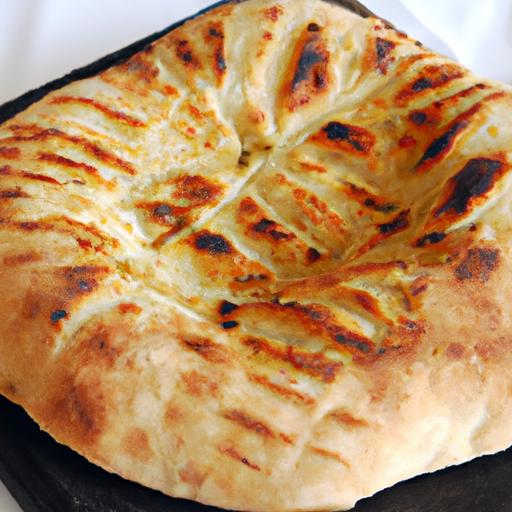


Step into the heart of Morocco, where the aroma of freshly baked bread weaves through bustling markets and quiet kitchens alike. Khobz, the country’s beloved conventional bread, is more than just a staple-it’s a symbol of hospitality, culture, and centuries-old craftsmanship. In this article, we’ll uncover the secrets behind authentic Moroccan khobz, guiding you through a simple yet rewarding recipe that brings a taste of North Africa right to your table. Whether you’re a seasoned baker or a curious foodie, get ready to transform basic ingredients into a golden, crusty masterpiece that tells a story in every bite.
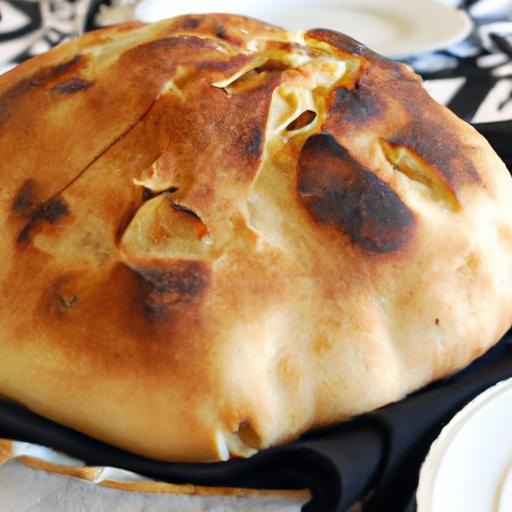
Khobz uncovered: authentic Moroccan bread recipe to try reveals one of the most cherished staples of Moroccan cuisine, deeply rooted in the country’s rich culinary heritage. This humble, round, and crusty bread has been a centerpiece at Moroccan tables for centuries, embodying communal warmth and cultural pride. Growing up surrounded by fragrant kitchens, I recall the comforting scent of freshly baked khobz drifting through sunlit courtyards - a sensory invitation signaling that family and tradition were about to come together. Crafted from simple ingredients yet with an artful touch, khobz offers texture and flavor that perfectly complement the bold spices and vibrant dishes native to Morocco.
Prep and Cook Time
- Readiness: 20 minutes
- Proofing: 1 hour 30 minutes
- Baking: 20-25 minutes
- Total Time: Approximately 2 hours 15 minutes
Yield
2 large loaves (serves 6-8)
Difficulty Level
Medium – requires patience for proper dough rising and shaping
Essential Ingredients for Authentic Khobz
- 3 cups all-purpose flour, sifted (for airy crumb)
- 1 cup whole wheat flour (adds signature nuttiness and texture)
- 1 ¾ cups warm water (about 110°F/43°C)
- 2 tsp active dry yeast
- 1 tsp fine sea salt
- 2 tbsp olive oil (for pliability and flavor)
- 2 tbsp semolina flour (for dusting and crisp crust)
Step-by-step Guide to Baking Authentic moroccan Khobz at Home
- activate the yeast: In a small bowl, combine warm water and yeast. Stir gently and wait 5-10 minutes until foamy. This guarantees the yeast is alive and thriving.
- Mix the flours and salt: In a large mixing bowl, whisk together all-purpose flour, whole wheat flour, and salt. this blend balances lightness and heartiness in the final bread.
- Add yeast mixture and olive oil: pour the activated yeast and olive oil into the flour mix. Begin incorporating with a wooden spoon or your hands,forming a shaggy dough.
- Knead the dough: Turn the dough onto a lightly floured surface. Knead vigorously for 10-12 minutes until it becomes smooth, elastic, and slightly tacky but not sticky. Well-kneaded dough develops essential gluten for that characteristic Moroccan crumb.
- First proof: Lightly oil a clean bowl, place dough inside, and cover with a damp cloth or plastic wrap. Let it rise in a warm, draft-free spot for about 1 hour or until it doubles in size.
- Shape the loaves: Punch down the dough gently to release air. divide into two equal portions. Shape each into a round, slightly flattened disk roughly 1-inch thick.
- Prepare for second proof: Dust baking sheets or traditional clay bread pans with semolina flour. Transfer shaped dough onto them. Cover loosely and let rest for 30 minutes until puffed slightly.
- Create decorative indentations: Before baking, use fingertips to gently poke indentations across each loaf’s surface – a signature Moroccan style that helps regulate oven spring and breathability.
- Preheat the oven: Heat to 450°F (230°C) with a thick baking stone or heavy baking tray inside if available; this ensures even heat for a crackling crust.
- Bake the khobz: Carefully transfer loaves to the hot stone or tray. Bake for 20-25 minutes until golden brown and hollow-sounding when tapped underneath.
- Cool: Remove the bread onto wire racks and allow to cool slightly before slicing to preserve its perfect crumb texture.
Tips for Success When Baking Your Khobz
- Use warm water: Maintain the temperature around 110°F to properly activate yeast without killing it.
- Kneading matters: Take time to develop gluten; under-kneaded dough won’t rise well and can be dense.
- Humidity & warmth: For proofing, place dough in a turned-off oven with a bowl of hot water or near a radiator to mimic Morocco’s warm habitat.
- Semolina flour dusting: This keeps loaves from sticking and enhances crispness.
- Experiment with flours: Try different ratios of whole wheat and white flour depending on taste and texture preference.
- Make ahead: Dough can be refrigerated overnight for a slower fermentation, enhancing flavor complexity.
Serving Suggestions and Pairings to Elevate Your Khobz Experience
Freshly baked khobz serves as both a plate and a utensil in Moroccan meals. tear off chunks to scoop up hearty tagines or dip into fragrant olive oil laced with crushed garlic and za’atar. It pairs beautifully with classic couscous dishes or chilled salads featuring preserved lemons and fresh herbs.
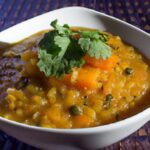
For a simple breakfast delight,spread creamy almond butter and drizzle with honey,or accompany a steaming bowl of harira soup to soak up its spicy broth. Garnish with freshly chopped parsley or a sprinkle of toasted sesame seeds for a visually appealing finish. The warmth and texture of khobz truly bring out the soul of Moroccan hospitality.

| Nutritional Element | Per Serving (1 slice approx.) |
|---|---|
| Calories | 150 kcal |
| Protein | 5 g |
| Carbohydrates | 30 g |
| Fat | 2 g |
| Fiber | 2 g |
Q&A
Q&A: Khobz Uncovered – Authentic Moroccan Bread Recipe to Try
Q1: What is Khobz and why is it so special in Moroccan cuisine?
A1: Khobz, simply put, is moroccan bread, but it’s much more than just a staple. Its round,rustic shape and perfectly crusty exterior paired with a tender,slightly chewy crumb make it a quintessential part of Moroccan meals. it’s often used as both a utensil and a plate-perfect for scooping up tagines, dips, and salads, embodying the warmth and communal spirit of Moroccan dining.Q2: What makes Khobz different from other types of bread?
A2: Unlike the airy French baguette or the dense Middle Eastern flatbreads, Khobz strikes a balance with a thick crust that crackles under your fingertips and an open, soft crumb inside. It’s traditionally baked in a clay oven or sealed pan, giving it that characteristic hearty texture and earthy aroma. The blend of semolina and white flour in some recipes also contributes a subtly nutty flavor and unique crumb structure.
Q3: What ingredients do I need to bake authentic Khobz?
A3: Authentic Khobz calls for simple, humble ingredients – all-purpose flour, semolina (for texture and flavor), yeast, warm water, salt, and a touch of olive oil.These basic components come together to create the humble yet rich bread that’s been part of Moroccan tables for centuries.
Q4: Is the preparation of Khobz elaborate for a beginner baker?
A4: Not at all! Khobz is surprisingly forgiving. While it does require some hands-on kneading and patience during the rising phases, the process is straightforward. The magic lies in letting the dough rest and develop flavor over time. Even novice bakers can master it with a little practise and attention to timing.
Q5: how can I tell when Khobz is perfectly baked?
A5: When baked right, Khobz boasts a deep golden-brown crust that crackles gently when tapped. The aroma should be warm and inviting, reminiscent of toasted grains. Once cooled, the bread should feel light but firm, with an airy crumb inside. If you slice it open, you’ll see a network of small holes-a sign of well-proofed dough.
Q6: can I adapt this recipe for different dietary needs?
A6: Khobz’s traditional recipe is naturally vegetarian and free from dairy and eggs, making it accessible for many dietary preferences. For gluten-free adaptations, it’s trickier due to the nature of the dough’s elasticity, but experimenting with gluten-free flours and binders may yield captivating results-though the texture will differ from the authentic crumb.
Q7: how is Khobz typically served in Morocco?
A7: Khobz pairs beautifully with just about every Moroccan dish - from hearty stews like harira to simple olive oil dips and freshly chopped tomato salads. It’s also commonly enjoyed at breakfast alongside honey, butter, or jam. Sharing Khobz is a way moroccans invite family and guests to gather close and savor not just food but company.
Q8: Are there any cultural traditions associated with making or eating Khobz?
A8: Absolutely! Baking Khobz is often a communal activity-families come together to prepare the dough, and in some villages, women still bake bread in traditional communal clay ovens. The bread symbolizes hospitality and generosity,and breaking bread together is a cherished Moroccan ritual that celebrates unity and warmth.
Q9: What tools can definately help me bake Khobz at home?
A9: While traditional bread ovens work wonders, at home you can achieve great results with a heavy-duty baking sheet or a cast-iron skillet inside a conventional oven. Using a sharp blade or bread lame to score the dough before baking helps the bread expand beautifully.A kitchen scale and a warm spot for proofing will also make the process smoother.
Q10: Any tips to elevate my Khobz baking experience?
A10: Patience is key-let your dough rise slowly in a warm place for more flavor and better texture. don’t rush the final proofing stage. Experiment with sprinkling sesame or nigella seeds on top before baking for that authentic touch. Most importantly, enjoy the process-it’s as much about connecting with Moroccan culture as it is about the bread itself.
Uncovering Khobz is a flavorful journey into Morocco’s culinary heritage you can bring into your kitchen.Ready your flour, warmth, and curiosity-baking this bread is like a warm Moroccan welcome in every bite!
Key Takeaways
As the warm, golden crust of khobz breaks open to reveal its soft, fragrant heart, you’re not just tasting bread-you’re savoring centuries of Moroccan heritage, tradition, and love. Whether enjoyed fresh from the oven or paired with a rich tagine, this authentic khobz recipe offers more than nourishment; it’s an invitation to connect with a vibrant culture, one bite at a time. So why not roll up your sleeves,dust off your mixing bowl,and bring a piece of Morocco into your kitchen? After all,every loaf tells a story-now it’s your turn to share it.