

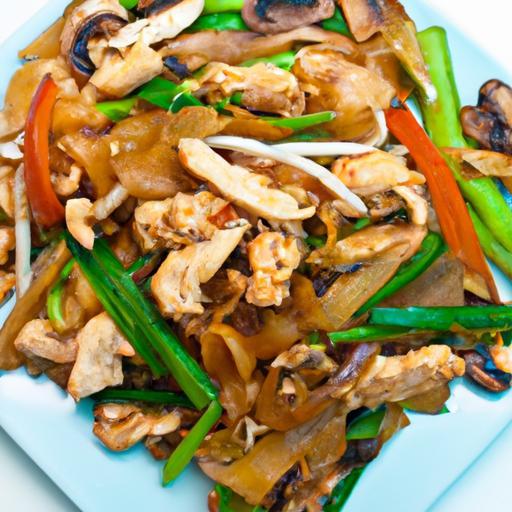
In the vibrant world of thai cuisine, few dishes capture both the heart and palate quiet like Pad See Ew. This beloved stir-fry, with its tender chicken, glossy wide rice noodles, and a perfect balance of savory and sweet flavors, is more than just a meal-it’s a culinary experience steeped in tradition and bold simplicity.Whether you’re a kitchen novice or a seasoned cook eager to expand your recipe repertoire, mastering Pad See Ew promises a gateway to authentic Thai flavors that can be recreated right at home. Join us as we unveil the secrets behind this chicken stir-fry delight, guiding you step-by-step toward achieving that irresistible, wok-tossed perfection.
mastering Thai Pad See Ew starts with understanding its essence: a sensational balance of smoky, savory, and subtly sweet flavors delivered through perfectly wok-tossed flat rice noodles. This iconic street food from Thailand is beloved for its tender chicken, crisp wilted Chinese broccoli, and its signature dark soy sauce glaze-each bite bursting with harmony and texture. My first encounter with Pad See Ew in a Bangkok market left me spellbound by its smoky char and bold notes-moments that inspired countless kitchen experiments until reaching this perfected rendition.
Prep and Cook Time
- Preparation: 15 minutes
- Cooking: 10 minutes
- Total Time: 25 minutes
Yield
Serves 3-4 hungry home cooks or dinner guests
Difficulty Level
Medium – ideal for confident beginners looking to master authentic Thai stir-fry techniques
Ingredients
- 8 oz fresh wide rice noodles (or dried soaked according to package instructions)
- 10 oz boneless, skinless chicken thighs, thinly sliced
- 2 cups Chinese broccoli (Gai Lan), chopped into 2-inch pieces
- 3 cloves garlic, finely minced
- 2 large eggs
- 2 tbsp vegetable oil or neutral cooking oil
- 2 tbsp light soy sauce (saltier, for seasoning)
- 3 tbsp dark soy sauce (for color and deep sweetness)
- 1 tbsp oyster sauce (vegetarian alternatives available)
- 1 tsp palm sugar (or brown sugar)
- 1 tsp white pepper
- Optional: fresh Thai bird’s eye chilies or chili flakes for heat customization
Step-by-Step Cooking Techniques to Achieve the Ideal Stir-Fry Texture
- Prep Your Noodles: If using dried noodles, soak them in warm water for 30 minutes or until tender but not mushy. Fresh rice noodles require gentle teasing apart and fastening to avoid clumping during cooking.
- Heat the Wok Properly: Place a wok over high heat until a drop of water sizzles instantly. Add 2 tablespoons of oil and swirl quickly to coat. High heat is critical to ensure that unmistakable “wok hei” aroma and slightly charred bites.
- Sauté Garlic & Chicken: Add minced garlic and fry until golden and fragrant, about 30 seconds. Add chicken slices, stirring continuously to sear evenly, about 3-4 minutes, until just cooked through.
- Scramble the Eggs: Push the chicken to one side. Crack eggs into the empty space and scramble gently until custardy yet set.Combine with chicken for an integrated texture.
- Incorporate Noodles & Veggies: Add noodles and Chinese broccoli. Toss vigorously to spread ingredients evenly and prevent sticking. Stir-fry for 2 minutes to heat through, allowing noodles to slightly caramelize.
- Layer the Sauces: Pour in light soy sauce, dark soy sauce, oyster sauce, and sprinkle palm sugar evenly over the noodles. Toss rapidly to coat. The dark soy sauce delivers deep color and signature sweetness; be sure to mix thoroughly for a uniform glaze.
- Final Toss & Seasoning: Season with white pepper and add optional fresh chili for heat.Toss once more to marry all flavors and textures. Remove from heat promptly to avoid sogginess.
Balancing Flavors and Customizing Heat for Your Personal Taste
Mastering Thai Pad See Ew means playing with bold yet balanced flavors.The richness from dark soy sauce and oyster sauce must be tempered by the delicate saltiness of light soy and a hint of sweetness from palm sugar. Adjust sweetness by adding more palm sugar for those who love sweeter notes, or boost saltiness with an extra dash of light soy sauce if preferred.
For chili lovers, incorporate finely chopped Thai bird’s eye chilies or sprinkle chili flakes directly into the wok towards the end to infuse heat without overpowering the other elements. If you prefer milder dishes, serve chili on the side to allow guests to customize.
Serving Suggestions and Creative Variations to Elevate Your Dish
Present this aromatic stir-fry on a warm, shallow platter to showcase the glossy, dark noodles tangled with verdant Chinese broccoli and tender chicken slices.Garnish with fresh lime wedges and a scattering of crushed peanuts or toasted sesame seeds for an added crunch. A side of sliced cucumber can provide refreshing contrast to the rich flavors.
To elevate your Pad See Ew, try the following twists:
- Seafood Pad See Ew: Swap chicken for succulent shrimp or scallops for a beach-inspired variation.
- Vegetarian Delight: Use firm tofu cubes and substitute oyster sauce with mushroom-based alternatives for a plant-forward version.
- Spicy Thai Basil Kick: add a handful of fresh Thai basil leaves in the final toss to lend fragrant herbal undertones.

Chef’s Notes
- Noodles: Fresh rice noodles are ideal but can be tricky. If using dried, soak until just pliable to avoid mushy results.
- Wok Hei: Achieving that coveted smoky wok breath requires a very hot pan and fast, continuous stirring. Don’t overcrowd the wok.
- Chicken: Thin slices cook quickly and soak up flavorful sauces; consider marinating briefly in a teaspoon of light soy and cornstarch for extra tenderness.
- Make-Ahead: Prepare sauce mixture in advance and keep noodles loosely packed in an airtight container in the fridge for up to a day.
| Nutrient | Per Serving |
|---|---|
| calories | 350 kcal |
| Protein | 27 g |
| Carbohydrates | 42 g |
| Fat | 8 g |
For an in-depth guide on authentic Thai cooking techniques, visit the Serious Eats Thai Cooking Guide. Also, you might enjoy our related post on Authentic Thai Chicken Satay Skewers, another crowd-pleasing classic.
Q&A
Q&A: Mastering Thai Pad See Ew – Chicken Stir-fry Delight unveiled
Q1: What makes Pad See Ew so special compared to other Thai stir-fries?
A1: Pad See Ew’s charm lies in its perfectly balanced harmony of smoky wok char, tender noodles, and savory-sweet sauce. Unlike spicier Thai dishes, it delivers a comforting, full-bodied flavor with simple yet distinct ingredients that sing together in every bite.
Q2: What type of noodles are essential for authentic Pad see Ew?
A2: Wide rice noodles, known as “sen yai,” are the soul of Pad See Ew. their broad, flat shape soaks up the luscious soy-based sauce beautifully, creating a chewy, satisfying texture that can’t be mimicked by thinner noodles or pasta substitutes.
Q3: How do I achieve the iconic smoky char flavor in Pad See Ew?
A3: Achieving the signature “wok hei,” or smoky breath of the wok, requires a very hot wok and quick, confident stir-frying. High heat sears the ingredients, caramelizes the sauce, and adds that irresistible smokiness that defines Pad See Ew’s character.
Q4: Which chicken cuts work best in this stir-fry?
A4: Boneless, skinless chicken thighs are the ideal choice. They stay juicy and tender even under high heat, and their richer flavor complements the savory soy sauce perfectly. Chicken breast works too if sliced thinly,but be careful not to overcook.
Q5: What’s the secret to the perfect sauce for Pad See Ew?
A5: The sauce is a masterful blend of dark soy sauce, light soy sauce, and a touch of sweetness-often palm sugar. Dark soy sauce brings deep color and caramel notes, while light soy offers saltiness and umami, making the noodles glossy and flavorful without overpowering.
Q6: Can I make Pad See Ew vegetarian or vegan without losing its essence?
A6: Absolutely! Swap chicken for tofu-firm or extra-firm, pressed and pan-fried to golden perfection. Use vegetarian oyster sauce or mushroom soy sauce to replicate the savory depth. The key flavors and textures will still shine, keeping the dish hearty and satisfying.
Q7: What vegetables are conventional and which can I add to enrich the dish?
A7: Chinese broccoli (gai lan) is traditional,lending a slight bitterness and crunch that contrasts beautifully with the sweet noodles. You can also add carrots, baby bok choy, or kale for additional texture and nutrition while maintaining the classic vibe.
Q8: How can I prevent the noodles from sticking or getting mushy?
A8: Use fresh rice noodles if possible,or properly rehydrate dried ones without over-soaking. Keep your wok hot and stir quickly to avoid smushing. Tossing the noodles in a bit of oil before stir-frying can help them separate and stay luscious.
Q9: What tips will help a beginner avoid common mistakes?
A9: Don’t overcrowd the wok, as it lowers the heat and steams the ingredients rather of searing them. Prep all ingredients before cooking, as things move fast on high heat. Also, taste and adjust the sauce seasoning at the end-balance is everything!
Q10: How can I plate and serve Pad See Ew to impress guests?
A10: Serve Pad See Ew hot from the wok, garnished with a wedge of lime for a fresh burst, and a side of pickled chilies or sliced fresh chilies for those who crave heat. A sprinkle of crispy garlic or toasted sesame seeds adds a delightful textural contrast and aroma.
Unlock the secrets of Pad See Ew, and transform your kitchen into a vibrant Thai street food haven-one savory bite at a time!
To Conclude
As the fragrant aroma of soy and garlic lingers in your kitchen, mastering Thai Pad See Ew becomes more than just a recipe-it transforms into a culinary adventure that connects you to the heart of Thailand’s vibrant street food culture. With tender chicken, perfectly charred noodles, and that signature balance of sweet and savory, you’re now equipped to recreate this beloved stir-fry delight anytime. whether you’re sharing it with friends or savoring a solo feast, each bite tells a story of tradition, technique, and tantalizing flavors. So go ahead-embrace the sizzle, trust the process, and let your Pad See Ew masterpiece transport your taste buds to bustling Bangkok streets with every mouthful.