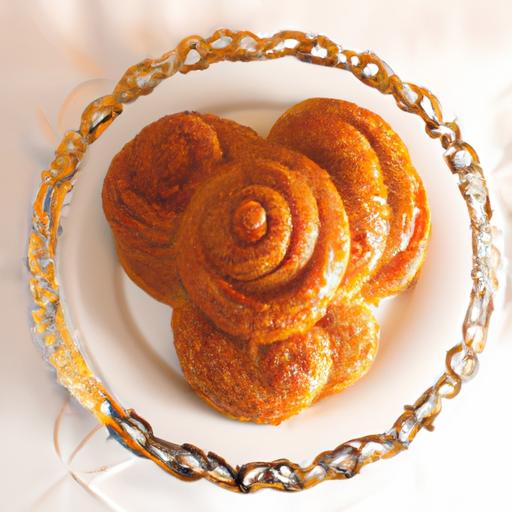


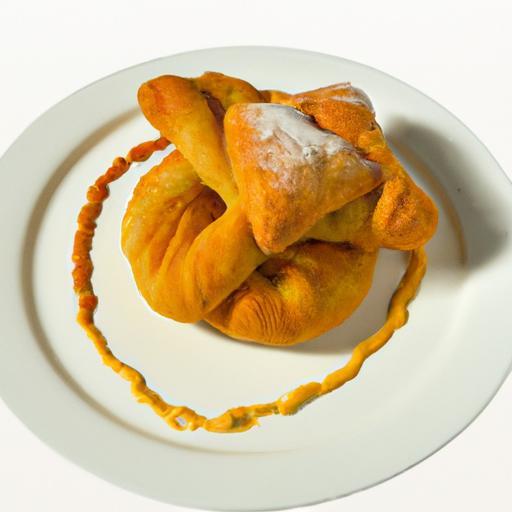
In the bustling heart of Moroccan kitchens, where tradition meets artistry, a delicate spiral of pastry captivates both eyes and taste buds alike-this is M’Hancha, the enchanting “snake” of Moroccan confectionery. Wrapped in layers of buttery, flaky dough and infused with the fragrant whispers of almonds, orange blossom, and cinnamon, M’Hancha is more than just a dessert; it is indeed a festivity of heritage rolled into a mesmerizing spiral. This article unravels the secrets behind the magic of M’Hancha,exploring the meticulous craftsmanship,cultural meaning,and tantalizing flavors that make this pastry a cherished symbol of Morocco’s rich culinary tapestry. Join us on a journey to discover how this sweet spiral transforms simple ingredients into a mesmerizing work of edible art.
M’Hancha Magic begins with an enchanting journey to Morocco’s rich culinary heritage, where the delicate spiral pastry is more than just a dessert – it is a symbol of artistry, tradition, and joyful celebration. This Moroccan treasure, frequently enough shaped to resemble a coiled serpent (m’hancha means ”the snake” in Arabic), brings together fragrant spices, nutty textures, and floral aromas that evoke bustling souks and warm, familial gatherings. Each bite reveals centuries of craftsmanship passed down thru generations, reminding us of the love and precision embedded in this extraordinary pastry spiral.
Prep and Cook Time
- Preparation: 40 minutes
- Cooking: 30 minutes
- Total: 1 hour 10 minutes
Yield
Serves 8 to 10, perfect for sharing during festive occasions or afternoon tea.
Difficulty Level
Medium - requires patience and gentle hands, but totally rewarding.
Ingredients
- For the Dough:
- 2 cups all-purpose flour,sifted
- 1/2 teaspoon fine sea salt
- 3 tablespoons olive oil
- 3/4 cup warm water (adjust as needed)
- For the Filling:
- 2 cups almond meal (finely ground blanched almonds)
- 1 cup granulated sugar
- 1 teaspoon ground cinnamon
- 1 teaspoon orange blossom water
- 1/2 cup unsalted butter,melted
- 1/4 cup toasted sesame seeds
- 1/4 cup finely chopped toasted walnuts (optional)
- For Finishing:
- 1 egg yolk,lightly beaten (for brushing)
- Powdered sugar,for dusting
- Extra toasted sesame seeds,for garnish
Instructions
- Make the Dough: In a large bowl,mix the sifted flour and salt. Create a well in the center and gradually pour in the olive oil and warm water. Use your hands to gently combine into a soft, pliable dough. If sticky, add a sprinkle more flour; if too dry, add water by teaspoon. Knead for 8 minutes until smooth and elastic. Cover with a damp cloth and rest for at least 30 minutes to relax the gluten.
- Prepare the Filling: In a clean bowl, blend almond meal, sugar, cinnamon, orange blossom water, melted butter, toasted sesame seeds, and walnuts if using. Mix until a sticky, fragrant paste forms-this balance is key for that irresistible sweet and nutty flavor.
- Roll Out the Dough: Divide dough into 4 equal portions. On a lightly floured surface, roll each portion into a very thin rectangle, almost translucent (about 1/16 inch thick). Keep the others covered to prevent drying.
- Assemble the spiral: Brush a thin line of melted butter lengthwise along one edge of the dough rectangle. Spoon a narrow strip of the almond filling along the buttered edge. Gently lift the dough edge and start rolling tightly, encasing the filling in a slim log shape. Coil this log into a spiral, placing coils side by side on a parchment-lined baking sheet to create the characteristic M’hancha shape.
- Perfect the Finish: Lightly brush the entire spiral with egg yolk for a golden finish. Sprinkle extra toasted sesame seeds generously over the top for texture and eye-catching detail.
- Bake to Golden Bliss: Preheat your oven to 350°F (175°C). Bake the M’Hancha spiral for 25 to 30 minutes or until it turns an inviting golden brown with a crispy texture. The aroma of cinnamon and orange blossom will fill your kitchen, beckoning you closer.
- Rest and Serve: Allow the pastry to cool for 15 minutes on a wire rack. dust lightly with powdered sugar before serving to add a finishing touch of sweetness and elegance.
Tips for Success
- Stretch Your Dough Thin: The delicacy of M’Hancha lies in its thin dough layers. Use a smooth rolling pin and gentle pressure, turning the dough frequently to maintain even thickness.
- Keep Dough Covered: Prevent cracks and drying by covering unused dough portions with a clean,damp kitchen towel while you work.
- Customizing the Nuts: Feel free to swap walnuts for pistachios or pecans to add your own twist on the nutty filling.
- Make Ahead: Assemble the spiral and refrigerate covered overnight; bake fresh the next day for a delectable treat.
- Mastering the Spiral: If your coil loosens during shaping, gently press it back together after coiling and before brushing with egg yolk.
Serving Suggestions
This pastry shines best alongside freshly brewed Moroccan mint tea or a fragrant cup of cardamom chai. Serve warm or at room temperature on an ornate platter dusted with a light sprinkle of powdered sugar and sliced almonds. Garnish with a few edible flower petals or fresh mint sprigs for a visually stunning display that honors tradition and invites admiration.
| Nutrient | Per Serving (approx.) |
|---|---|
| Calories | 320 kcal |
| Protein | 7 g |
| Carbohydrates | 28 g |
| Fat | 18 g |

For more vibrant Moroccan pastries, explore our detailed Moroccan Pastries Guide. To deepen your understanding of North African spices, visit The Spruce Eats’ complete overview.
Q&A
Q&A: M’Hancha Magic: Unwinding the Art of Moroccan Pastry Spiral
Q1: What is M’Hancha, and why is it called the “snake”?
A1: M’Hancha, which means “the snake” in Arabic, is a traditional Moroccan pastry shaped into a long, coiled spiral that resembles a slithering serpent. This mesmerizing form not only showcases the pastry’s delicate craftsmanship but also symbolizes continuity and the intertwining of flavors, making it a feast for both the eyes and the palate.
Q2: What are the main ingredients used in M’Hancha?
A2: the core of M’Hancha is a mixture of finely ground almonds, sugar, rose water, cinnamon, and orange blossom water.The nutty sweetness is wrapped in ultra-thin sheets of warqa or phyllo dough, which bake to a golden, crisp perfection. traditionally, the filling is rich yet fragrant, offering a delicate balance of floral and spiced notes.
Q3: How is M’Hancha traditionally prepared?
A3: Crafting M’Hancha is an art form that begins with preparing the almond filling, carefully incorporating aromatic ingredients. Next, thin layers of warqa dough are brushed with melted butter or oil to ensure flakiness. The filling is rolled into a long, thin log, which is then coiled tightly into a spiral shape, resembling a snake in repose.The spiral is brushed again with butter before baking, resulting in a golden crust that crackles delicately with each bite.
Q4: What cultural significance does M’Hancha hold in Moroccan cuisine?
A4: M’Hancha is more than a pastry; it is a symbol of hospitality and celebration. Often prepared for special occasions such as weddings, Eid, or family gatherings, it represents unity and the weaving together of love, tradition, and festivity.Sharing a freshly baked M’Hancha is a gesture of goodwill and warmth, inviting guests to experience Moroccan heritage in a single, sumptuous bite.
Q5: Can M’Hancha be adapted for modern tastes or dietary needs?
A5: Absolutely! While the classic M’Hancha highlights almonds and fragrant waters, it can be customized with other nuts like walnuts or pistachios for varied textures and flavors. For those seeking vegan options, butter can be replaced with plant-based oils or margarine without compromising the signature crispiness. additionally, the sweetness level can be delicately adjusted to suit personal preferences.
Q6: What is the best way to enjoy M’Hancha?
A6: M’hancha is best enjoyed warm or at room temperature, accompanied by a comforting cup of mint tea. The tea’s fresh, slightly minty aroma complements the pastry’s rich nutty filling and floral essences, creating a harmonious balance that delights the senses. Savoring it slowly allows the layers of flavor to unfold like the spirals themselves.
Q7: Are there any tips for home bakers looking to master M’Hancha?
A7: Patience and precision are key. When working with warqa or phyllo dough, keep the sheets covered with a damp cloth to prevent drying out. Lightly brushing each layer with melted butter ensures a flaky texture. rolling the filling tightly and coiling carefully will maintain the pastry’s iconic spiral shape. Lastly, baking at the right temperature-moderate heat to achieve even browning without burning-is essential for that perfect golden finish.
Q8: What makes M’Hancha stand out among other pastries from the region?
A8: M’Hancha’s signature spiral design sets it apart as a visually stunning creation,while its aromatic filling delivers a multi-sensory experience unique to Moroccan patisserie.It embodies a blend of art, heritage, and flavor that captures the essence of Moroccan hospitality wrapped elegantly in a coil.
This Q&A explores the enchanting world of M’Hancha, revealing how this Moroccan pastry spiral weaves together cultural symbolism, culinary artistry, and rich flavors into a timeless treat.
The Conclusion
As the final swirl of syrup-soaked dough melts on the tongue, M’Hancha reveals itself not just as a pastry, but as a living tapestry of Moroccan heritage-an edible spiral that winds together history, artistry, and flavor in every delicate layer. Whether you’re a seasoned baker or a curious foodie, unlocking the secrets of this magical coil offers more than a taste; it’s an invitation to savor the rhythms of Moroccan culture and craftsmanship. So next time you unwind a piece of M’Hancha, remember: you’re not just indulging in a dessert-you’re partaking in a centuries-old story spun with skill, sweetness, and soul.