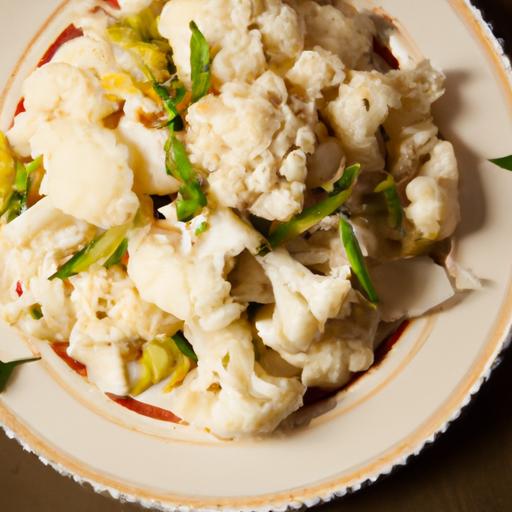


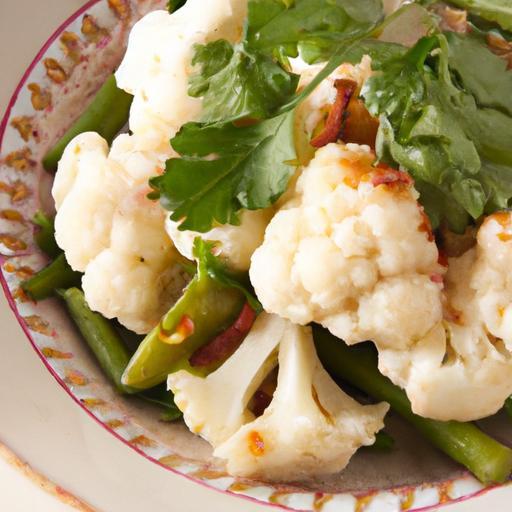
In kitchens across the globe, cauliflower has long held its place as a humble staple-versatile, nutritious, and ready to absorb any flavor it encounters. But venture into the vibrant world of Middle Eastern cuisine, and this classic vegetable takes on an entirely new persona. Infused with fragrant spices, bold herbs, and zesty citrus, Middle Eastern cauliflower transforms from simple side dish to a captivating culinary experience. Join us as we explore the rich traditions,inventive recipes,and aromatic profiles that elevate cauliflower into a flavorful star of the Middle Eastern table-proving that even the moast familiar ingredients can surprise and delight when embraced by a rich cultural twist.
Middle Eastern cauliflower bursts with captivating, aromatic spices that transform the humble vegetable into a vibrant centerpiece on any dining table. Drawing inspiration from centuries-old culinary traditions, this recipe embraces the rich warmth of cumin, coriander, turmeric, and sumac, creating a symphony of flavors that celebrate the magic of Middle Eastern cuisine. Each bite invites you to savor cauliflowerS natural nuttiness infused with layers of spice, perfectly balanced by traditional cooking techniques that deliver a delightful texture – tender yet with a satisfying bite.
Prep and Cook Time
- Planning: 15 minutes
- Cooking: 25 minutes
- Total Time: 40 minutes
Yield
serves 4 as a side dish or light main course
Difficulty Level
Easy – Intermediate
Ingredients
- 1 medium head cauliflower, cut into florets
- 3 tbsp olive oil
- 1 tsp ground cumin
- 1 tsp ground coriander
- 1/2 tsp turmeric powder
- 1/2 tsp smoked paprika
- 1/2 tsp sumac (plus extra for garnish)
- 2 garlic cloves, minced
- 1/2 tsp sea salt
- Freshly ground black pepper, to taste
- Juice of 1 lemon
- 2 tbsp chopped fresh parsley
- 1 tbsp toasted pine nuts (optional for garnish)
Instructions
- Preheat the oven to 425°F (220°C). This high heat ensures caramelization and crisp edges for your cauliflower.
- In a large mixing bowl,combine olive oil,minced garlic,cumin,coriander,turmeric,smoked paprika,sumac,salt,and pepper. Whisk together until fragrant and oil is well infused with spices.
- Add the cauliflower florets to the bowl and toss thoroughly so each floret is evenly coated with the spice mixture.
- Spread the cauliflower in a single layer on a large baking sheet lined with parchment paper. Arrange florets spaced apart to promote roasting rather than steaming.
- Roast for 20-25 minutes, flipping once halfway through. Watch closely; your cauliflower should be tender with golden brown edges.
- Once roasted, transfer to a serving bowl. Drizzle with fresh lemon juice and sprinkle chopped parsley and pine nuts on top. Finish with a light dusting of sumac for a tart, citrusy kick that contrasts beautifully with the warm spices.
Tips for Success
- For a smokier depth, try roasting the garlic alongside the cauliflower rather than adding it raw to the olive oil.
- If fresh sumac is unavailable, substitute with a sprinkle of lemon zest to brighten flavors similarly.
- To add more texture, toss the florets in a handful of toasted chickpeas for an extra crunchy bite.
- This dish can be prepared ahead: roast the cauliflower, cool completely, and store in an airtight container for up to 2 days. Reheat gently in the oven to revive crispness.
- Use a cast iron skillet on the stovetop for an alternative method that sears the cauliflower until golden brown, adding an irresistible charred note.
Serving Suggestions
Serve your Middle Eastern cauliflower as a stunning side alongside grilled meats like lamb or chicken kebabs. It’s also sensational over a bed of fluffy couscous or bulgur for a vegetarian-friendly main course. A dollop of cool, creamy tahini sauce or a sprinkle of crumbled feta cheese adds a contrasting richness.For an added pop of freshness,garnish with pomegranate seeds and fresh mint leaves. This versatile dish pairs wonderfully with bold accompaniments such as za’atar flatbreads or a simple tabbouleh salad.

| nutrient | Per Serving |
|---|---|
| Calories | 150 kcal |
| Protein | 4 g |
| Carbohydrates | 12 g |
| Fat | 10 g |
Embrace the vibrant, aromatic world of Middle Eastern cauliflower, a dish that marries ancient spice blends with simple yet impactful cooking methods. For those intrigued by the aromatic depth of these spices, explore this guide to Middle Eastern spices to expand your pantry. Dive deeper into the cultural roots and nutritional benefits behind these ingredients with resources from BBC Good Food’s Middle Eastern recipes.
Q&A
Q&A: Middle Eastern Cauliflower – A Flavorful Twist on a Classic Veggie
Q1: What makes Middle Eastern cauliflower different from the ordinary cauliflower dishes we know?
A1: Middle Eastern cauliflower elevates the humble veggie with bold spices, vibrant herbs, and unique cooking techniques. Instead of just steaming or boiling, cauliflower is often roasted or fried and then tossed with a medley of spices like cumin, sumac, and paprika, giving it a deep, smoky, and tangy flavor profile that awakens the palate.
Q2: Which spices are most commonly used in Middle Eastern cauliflower recipes?
A2: Key spices include cumin, coriander, turmeric, cinnamon, sumac, and Aleppo pepper. These spices, sometimes combined with fresh garlic and lemon juice, create layers of warmth, earthiness, and brightness that transform cauliflower from bland to brilliant.Q3: How is cauliflower traditionally prepared in Middle Eastern cuisine?
A3: Traditionally, cauliflower might be fried until golden and crispy, then tossed with pomegranate seeds and tahini for added crunch and creaminess. It can also be roasted with olive oil and spices or incorporated into stews and salads, where its texture absorbs surrounding flavors perfectly.
Q4: Are there any popular Middle Eastern cauliflower dishes I should try?
A4: Absolutely! “Zahra Mekliya” is a beloved Syrian fried cauliflower dish drizzled with garlic lemon sauce. Another favorite is roasted cauliflower sprinkled with dukkah – a crunchy spice blend made of nuts and seeds. or try cauliflower tabbouleh, where tiny cauliflower florets replace bulgur for a gluten-free twist.
Q5: Can Middle Eastern cauliflower be adapted for special diets?
A5: Definitely. The naturally vegan and gluten-free nature of cauliflower makes Middle Eastern cauliflower recipes ideal for diverse diets. swapping dairy-based sauces with tahini or yogurt alternatives keeps the dish creamy and satisfies various preferences while maintaining authentic flavors.
Q6: What’s the best way to serve Middle Eastern cauliflower?
A6: Serve it as a vibrant side dish alongside grilled meats or falafel, or as a star ingredient in mezze platters paired with hummus, baba ganoush, and warm pita bread. Its bold flavors also shine in contemporary bowls and salads, adding both texture and flair.
Q7: Why has this middle Eastern twist on cauliflower become so popular globally?
A7: The rise of plant-based eating and global culinary curiosity have spotlighted flavorful, healthy vegetables like cauliflower. Middle Eastern cuisine’s genius lies in its harmonious use of spices and fresh ingredients, making the veggie exciting and accessible for adventurous eaters worldwide.
Q8: Any tips for cooking middle Eastern cauliflower at home?
A8: Roast or fry florets until golden brown for maximum flavor and crunch. Don’t be shy with spices-toast them beforehand to release their oils. A squeeze of fresh lemon and a sprinkle of fresh herbs like parsley or mint at the end can brighten the dish beautifully. And remember: patience is key-caramelization creates magic!
the Conclusion
From vibrant spices to time-honored cooking techniques, Middle Eastern cauliflower transforms this humble vegetable into a dish brimming with flavor and cultural richness. Whether roasted, spiced, or blended into creamy dips, it invites us to explore a culinary tradition that celebrates simplicity and bold taste in harmony.So next time you’re looking to elevate your veggie game, let Middle Eastern cauliflower be your passport to a delightful and nourishing twist on a classic favorite. Embrace the adventure on your plate-your taste buds will thank you.