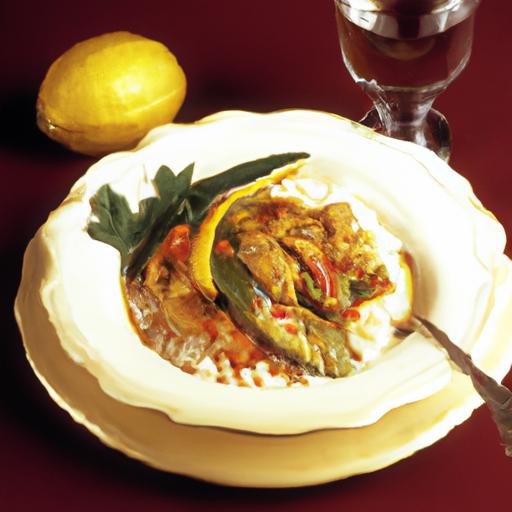


Nestled along the sun-kissed shores of the Mediterranean and Atlantic, Morocco offers a culinary treasure that captures the essence of its vibrant coastal life: the moroccan fish stew. This beloved dish is more than just a meal-it’s a flavorful journey that weaves together the rich tapestry of Morocco’s maritime heritage, aromatic spices, and rustic traditions. From the bustling fish markets of Essaouira to the serene docks of Agadir, Moroccan fish stew invites you to dive into a pot brimming with bold flavors, tender seafood, and the warm embrace of a culture deeply connected to the sea. Join us as we explore the origins, ingredients, and cultural meaning of this coastal delight, uncovering the secrets behind each succulent spoonful that tells a story of Morocco’s oceanic bounty.
Exploring the Rich Aromatics of Moroccan Fish Stew
Moroccan fish Stew captures the vibrant spirit of the Mediterranean coastline, delivering a tapestry of aromas that awaken the senses and invite you to savor each spoonful. This dish, rooted in the bustling markets of Morocco’s coastal towns, marries the freshest seafood with an intoxicating blend of spices and herbs that tell a story of centuries-old trade routes and cultural fusion.
When preparing this Moroccan classic, the secret lies not only in the spices but in how they harmonize with the sea’s bounty - each fragrant layer builds depth without overwhelming the delicate fish, evoking warm memories of sun-drenched shores and lively conversations over shared meals. Whether you’re a seasoned cook or a passionate home chef,diving into this recipe is an inspiring culinary journey that promises not just flavour but authenticity and heart in every bite.
Choosing the freshest coastal Fish for Authentic Flavors
Begin your Moroccan Fish Stew adventure by selecting the freshest coastal fish available. Opt for firm, white-fleshed varieties like cod, halibut, or sea bass, prized for their ability to hold shape and soak up spices without becoming mushy. When possible, source fish from local markets or trusted fishmongers who provide daily catches; the key is bright eyes, moist flesh, and a fresh ocean scent – a true indicator of quality.
Avoid overly oily or flaky fish,as they can break down during cooking and muddy the dish’s clarity. Additionally, customary Moroccan cooks often include shellfish like prawns or mussels in the stew, adding texture and enhancing the oceanic complexity, but the foundational star remains the fish you choose.
Mastering the Blend of Spices that Define Moroccan Cuisine
Moroccan cuisine is synonymous with spice mastery, and this stew is no exception. The foundation starts with smoked paprika, cumin, coriander, and turmeric, delivering warmth, earthiness, and subtle smokiness. Fresh ginger and garlic infuse brightness, while a pinch of cayenne pepper adds just enough heat to excite the palate without overpowering the dish’s balance.
The magic happens when these spices are gently toasted and simmered with ripe tomatoes, preserved lemons, and aromatic herbs such as cilantro and flat-leaf parsley. Layering spices at different cooking stages – toasting first, then adding to the stew – unlocks unparalleled fragrance and flavor depth.This careful handling of spices turns a simple fish stew into a multi-dimensional experience that is both comforting and exhilarating.
Tips and Tricks for Serving and Pairing Your Fish Stew
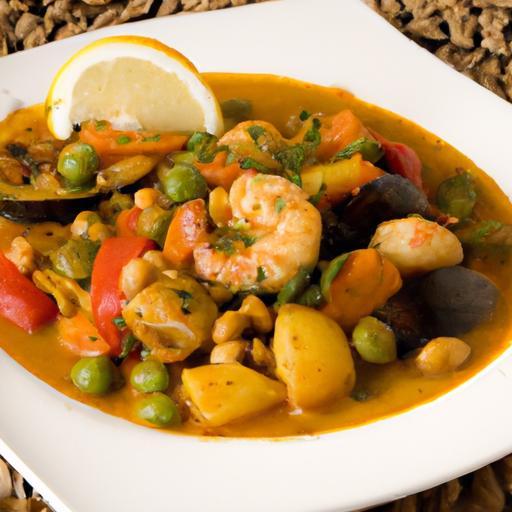
Presentation is key to elevating your Moroccan Fish Stew from a humble meal to festive centerpiece. Serve the stew in a large, shallow earthenware bowl to expose the vibrant colors and glistening broth. Garnish with a scattering of finely chopped cilantro, a few preserved lemon wedges, and a drizzle of extra-virgin olive oil to add shine and freshness.
For ideal pairings, accompany your stew with warm, fluffy Moroccan bread like khobz or a side of saffron-infused couscous, perfect for mopping up every lingering drop. A crisp cucumber and mint salad balances the robust spices with cool crunch. If you wont to complete the meal with a beverage, consider freshly brewed moroccan mint tea, whose sweetness and herbaceous notes elevate the experience.
Prep and Cook Time
- Preparation time: 20 minutes
- Cooking time: 35 minutes
Yield
Serves 4 hearty portions
Difficulty Level
Medium – Perfect for cooks ready to explore rich spice blends and seafood handling
Ingredients
- 1.5 lbs firm white fish fillets (such as cod or halibut), cut into chunks
- 1 large onion, finely chopped
- 4 cloves garlic, minced
- 1 tbsp fresh ginger, grated
- 2 tbsp olive oil
- 1 tsp smoked paprika
- 1 tsp ground cumin
- 1 tsp ground coriander
- 1/2 tsp turmeric powder
- 1/4 tsp cayenne pepper (adjust to taste)
- 1 (14 oz) can diced tomatoes
- 1 preserved lemon, pulp removed, rind finely chopped
- 1 cup fish or vegetable stock
- 1/2 cup fresh cilantro, chopped
- 1/2 cup fresh flat-leaf parsley, chopped
- Salt and freshly ground black pepper, to taste
- Optional: 8 large prawns or mussels, cleaned (for extra seafood brio)
Instructions
- Prepare the spice base: Heat olive oil in a large heavy-bottomed pot over medium heat. Add the chopped onions and sauté until translucent, about 5-6 minutes.
- Add aromatics: Stir in garlic and ginger; cook for 1 minute until fragrant.
- Toast spices: Sprinkle smoked paprika, cumin, coriander, turmeric, and cayenne pepper over the onion mixture. Stir constantly for 1-2 minutes, letting the spices bloom without burning.
- Incorporate tomatoes and preserved lemon: Pour in the canned diced tomatoes, then add the preserved lemon rind. Stir well and simmer uncovered for 10 minutes, allowing the flavors to meld and the sauce to thicken slightly.
- Add stock: Pour in fish or vegetable stock, stir to combine, then bring to a gentle boil.
- cook seafood: Season the fish chunks with salt and pepper, then carefully nestle them into the simmering stew. If using, add prawns or mussels now. Cover and poach gently for 8-10 minutes, until fish is opaque and cooked through.
- Final touches: Stir in chopped cilantro and parsley, then adjust seasoning with salt and pepper to taste. Remove from heat.
- serve: Ladle the stew into bowls, garnish with extra herbs and a drizzle of olive oil. Pair with fresh Moroccan bread or saffron couscous.
Tips for Success
- fish selection: Ensure your fish is as fresh as possible; if you can smell fishiness, it’s not fresh. When in doubt, ask your fishmonger for ”fish that is good for stewing.”
- Spice balance: Toast your spices gently to avoid bitterness. If you prefer less heat, reduce or omit the cayenne.
- Make-ahead: The stew tastes even better the next day as the flavors meld. Reheat gently on low heat to prevent the fish from breaking apart.
- Vegetarian twist: Swap fish with firm tofu or hearty root vegetables for a pescatarian-kind version.
- Adjust texture: If the stew feels too thick, stir in a splash of warm stock or water to loosen the consistency before serving.
Serving Suggestions
For an authentic Moroccan dining experience,serve the stew family-style in a wide tagine or earthenware bowl. Garnish with fresh herbs like cilantro and parsley and additional preserved lemon wedges for a bright, tangy finish. Round out the meal with warm khobz bread or saffron couscous that soaks up the rich broth beautifully.
Offer a vibrant side salad of cucumber, tomato, and mint dressed in olive oil and lemon juice for a refreshing counterpoint. Moroccan mint tea – sweetened and poured from a height to aerate – perfectly complements the spicy warmth of the dish.

| Nutrient | Per Serving |
|---|---|
| Calories | 320 kcal |
| Protein | 35 g |
| Carbohydrates | 12 g |
| Fat | 10 g |
Discover more about Moroccan spices and recipes in our Moroccan Spice Guide and expand your culinary horizons.
Q&A
Q&A: Moroccan Fish Stew – A Flavorful Journey to Coastal Delights
Q1: What makes Moroccan Fish Stew a standout dish in Moroccan cuisine?
A: Moroccan Fish Stew is a vibrant celebration of the country’s rich coastal heritage. It blends aromatic spices, fresh seafood, and bright, zesty ingredients like preserved lemon and fresh herbs. This stew showcases Morocco’s unique ability to marry bold flavors with wholesome, natural ingredients, creating a dish that’s both comforting and exciting to the palate.
Q2: Which types of fish are traditionally used in Moroccan Fish Stew?
A: traditionally, solid-fleshed, firm fish that hold up well during cooking are preferred. Varieties like cod, snapper, or grouper are common choices.These fish absorb the stew’s spiced broth beautifully without falling apart, making each spoonful a perfect bite of oceanic freshness.
Q3: What are the key spices and aromatics that define the stew’s flavor?
A: The magic of Moroccan Fish Stew lies in its spice blend. Typical ingredients include cumin, paprika, turmeric, and coriander – each adding warmth and complexity. Garlic, ginger, and onions build a fragrant base, while fresh cilantro and parsley finish the stew with bright herbal notes.The addition of preserved lemon or lemon zest adds a distinctive tangy punch that elevates the whole dish.
Q4: Are there any unique vegetables or additions that help enhance the stew?
A: Yes! Tomatoes are often the backbone of the stew’s broth, contributing both acidity and sweetness. Bell peppers, carrots, and potatoes can be added for heartiness and texture, soaking up the flavorful liquid. Green olives sometimes make an appearance, adding a salty, briny contrast that complements the sea flavors.
Q5: How can someone recreate the authentic Moroccan Fish Stew experience at home?
A: Start with fresh, firm fish and build your broth slowly, layering your spices and aromatics in olive oil to unlock their aromas. Use quality preserved lemons or fresh lemon for the bright notes that Moroccan cooking is famous for. Serve the stew in a deep bowl with crusty bread or fluffy couscous to soak up the delicious broth. Cooking slowly over gentle heat ensures the flavors marry beautifully for an unforgettable coastal feast.
Q6: Is Moroccan Fish Stew typically served as a main course or part of a larger meal?
A: This stew shines as a hearty main course, especially when shared family-style.It’s hearty enough to stand alone, yet light and fresh enough to pair with simple sides like steamed vegetables, warm flatbreads, or a cool cucumber salad. Sharing the stew straight from the pot is part of the communal dining experience that makes Moroccan meals so special.
Q7: what cultural significance does Moroccan Fish Stew hold along the Moroccan coast?
A: Along Morocco’s bustling shores, fish stew is more than just a meal-it’s a reflection of life by the sea.It honors the daily catch, the centuries-old spice routes, and the rich blend of Mediterranean, Arab, and Berber traditions. Each bowl tells a story of community, celebration, and the land’s generosity, inviting diners to taste Morocco’s coastal soul.
Q8: Can Moroccan Fish Stew be adapted for those who prefer a milder flavor profile?
A: Absolutely! While the spices bring warmth and depth, you can easily dial down the heat by reducing chili or paprika quantities.Swap stronger spices with sweeter versions like sweet paprika, and balance acidity with a touch more sweetness from fresh tomatoes or carrots. The stew’s core essence – fresh fish, fragrant herbs, and a bright lemony tang – remains deliciously intact.
Moroccan Fish Stew invites you on a flavorful voyage – rich with tradition, brimming with spice, and infused with the salty breeze of the Atlantic. Ready your pot, gather your spices, and embark on a culinary journey to Morocco’s enchanting coastlines.
Insights and Conclusions
As the final spoonful of Moroccan fish stew lingers on your palate, you’re reminded that this dish is more than just a meal-it’s a vibrant celebration of Morocco’s coastal heritage and spice-laden traditions. Each simmering pot carries the whispers of ocean breezes, the warmth of sun-kissed markets, and the artistry of generations who have perfected the blend of flavors. Whether cooked in a bustling kitchen or enjoyed by the sea, Moroccan fish stew invites you to savor a flavorful journey that transcends borders and brings a taste of coastal delights to your table.So next time you crave a dish brimming with history and heart, let this stew be your passport to the rich, aromatic treasures of Morocco’s shores.