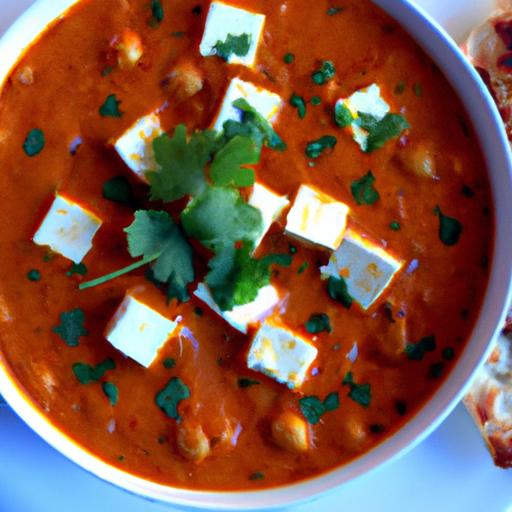


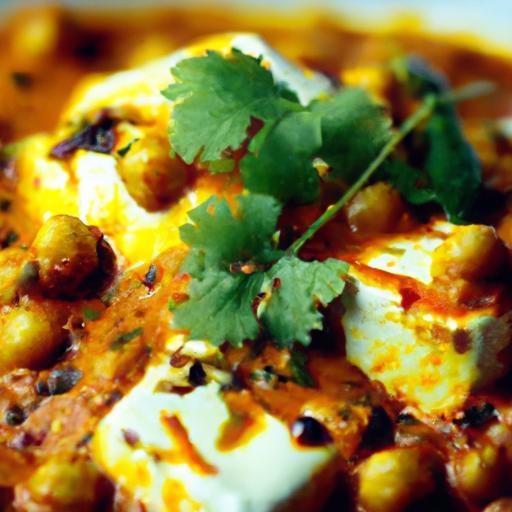
In the vibrant tapestry of Indian cuisine, few dishes evoke as much warmth and comfort as Paneer Makhani. this creamy, tomato-infused delight has carved a special place in kitchens and hearts alike, blending rich flavors with a luscious texture that dances on the palate. From humble home kitchens to high-end restaurants, Paneer makhani is more than just a dish-it’s a celebration of India’s culinary heritage, where customary spices meet velvety cream in perfect harmony. Join us as we unravel the magic behind this beloved classic, exploring its origins, ingredients, and the secrets that make Paneer Makhani a timeless favourite.
Paneer Makhani Magic begins with a rich culinary heritage that traces back to the royal kitchens of North India, where velvety tomato gravies met soft cubes of fresh paneer to create an indulgence that transcends generations. This dish embodies warmth, richness, and a celebration of spice harmony – qualities that keep it a beloved favorite across Indian households and global tables alike.
Prep and Cook time
- Preparation: 15 minutes
- Cooking: 30 minutes
- Total Time: 45 minutes
Yield
Serves 4 hearty portions
Difficulty Level
Easy to Medium - Perfect for home cooks building confidence with Indian cuisine
Ingredients
- 250g paneer, cut into 1-inch cubes
- 3 large ripe tomatoes, pureed
- 2 tablespoons unsalted butter
- 2 tablespoons fresh cream
- 1 tablespoon ginger-garlic paste
- 1 green chili, finely chopped (optional)
- 1 teaspoon cumin seeds
- 1 teaspoon garam masala
- 1 teaspoon red chili powder
- 1 teaspoon coriander powder
- 1/2 teaspoon turmeric powder
- 1 tablespoon kasuri methi (dried fenugreek leaves), crushed
- Salt, to taste
- 2 tablespoons cooking oil
- Fresh cilantro leaves for garnish
- 1 teaspoon sugar (balances the acidity of tomatoes)
- 1/4 cup water (adjust for desired consistency)
Instructions
- Prepare the paneer: Lightly sauté the paneer cubes in 1 tablespoon of oil until golden on all sides. Set aside on a paper towel to absorb excess oil.
- Tempering the base: Heat 2 tablespoons of butter and 1 tablespoon of oil in a heavy-bottomed pan over medium heat. Add cumin seeds and let them sizzle until fragrant.
- sauté aromatics: Add the ginger-garlic paste and green chili, stirring for 1-2 minutes until the raw smell disappears and the mixture turns golden.
- Tomato puree: Pour in the tomato puree, stirring continuously. Cook for 10-12 minutes on medium-low heat until the mixture thickens and oil begins to separate, signaling a well-cooked base.
- Spice infusion: Stir in the red chili powder, turmeric, coriander powder, garam masala, and salt. Cook for another 2-3 minutes, allowing the spices to bloom perfectly into the sauce.
- Add kasuri methi: Crush the dried fenugreek leaves between your palms and sprinkle into the gravy for that signature earthy aroma.
- Simmer paneer: Gently fold in the sautéed paneer cubes, stirring carefully to coat each piece without breaking them. Add water to achieve your preferred consistency.
- Cream finish: Lower the heat, stir in the fresh cream and sugar. Cook for 3-4 minutes, stirring gently to blend the luxurious creaminess with the vibrant tomato-spice mix.
- Garnish & serve: Turn off the heat and garnish generously with chopped cilantro leaves.Serve hot for an unforgettable experience.
Chef’s Notes for Paneer Makhani Magic
- Paneer choice: Fresh homemade paneer enhances texture but store-bought works well; avoid overcooking to keep cubes soft and tender.
- Tomato puree tip: Using ripe, juicy tomatoes or canned purees ensures a naturally sweet and tangy base.
- Spice balance: Adjust chili powder to your heat preference. For deeper flavor, lightly roast your dry spices before grinding.
- Kasuri methi choice: If unavailable, substitute with a pinch of dried fennel seeds for subtle sweetness.
- Make ahead: Prepare the tomato gravy a day in advance; store in the fridge and add paneer fresh on serving day for peak creaminess.
- Dairy-free option: Substitute fresh cream with coconut cream for a vegan twist,ensuring equally indulgent creaminess.
serving Suggestions and Pairing Ideas for Paneer Makhani Magic
Serve your Paneer Makhani Magic steaming hot with buttery naan, steamed basmati rice, or jeera rice to soak up the luscious gravy. For a vibrant presentation, garnish with a drizzle of cream and a sprinkle of finely chopped fresh coriander. Add sliced ginger juliennes or a few toasted cashew nuts on top for an elegant finish.
complement the dish with a crisp cucumber raita or a simple kachumber salad to balance the richness. For beverages, a chilled mango lassi or masala chai round out the meal beautifully.

| Nutrient | Per Serving |
|---|---|
| Calories | 320 kcal |
| protein | 14 g |
| Carbohydrates | 12 g |
| Fat | 24 g |
Discover more Indian vegetarian delights in our Paneer recipe Collection. For an authoritative look at traditional Indian spices and their uses, visit Britannica’s overview of Masala spices.
Q&A
Q&A: Paneer Makhani Magic: Creamy delight from Indian Kitchens
Q1: What makes Paneer Makhani so special compared to other paneer dishes?
A1: Paneer Makhani stands out with its luxuriously creamy tomato-based gravy, enriched with butter, cream, and a symphony of aromatic spices. Unlike dry paneer preparations, this dish offers a luscious, velvety texture that melts in your mouth, balancing tangy tomatoes and rich dairy with a subtle hint of sweetness and spice - truly a royal treat from Indian kitchens.Q2: How did Paneer Makhani originate and become popular in Indian cuisine?
A2: Paneer makhani traces its roots to North India, inspired by the legendary Butter Chicken (Murgh Makhani). The innovation of substituting chicken with paneer transformed it into a vegetarian delight, making it accessible to a wider audience. Its creamy, buttery gravy gained widespread love in Indian households and restaurants, symbolizing comfort and festive indulgence.
Q3: What are the key ingredients that give Paneer Makhani its signature flavor?
A3: The magic lies in combining fresh paneer cubes with a base of ripe tomatoes,butter,and cream.Essential spices include ginger, garlic, garam masala, kasuri methi (dried fenugreek leaves), and a dash of red chili powder. This blend creates a rich, aromatic sauce that perfectly complements the mild, soft texture of paneer.
Q4: Can Paneer Makhani be adapted for a healthier version without losing its essence?
A4: Absolutely! To lighten paneer Makhani, you can reduce the butter and cream quantities or substitute cream with yogurt or cashew paste for creaminess. Using fresh, homemade paneer ensures a wholesome, protein-packed dish. Incorporating more tomatoes and spices enhances flavor while keeping it nutritious and indulgent in a balanced way.
Q5: What are the best accompaniments to enjoy with Paneer Makhani?
A5: Paneer Makhani pairs beautifully with Indian breads like buttery naan, roti, or parathas that soak up the creamy gravy. It also complements fragrant basmati rice or jeera (cumin) rice, creating a hearty and satisfying meal. A side of fresh salad or cooling raita can balance the richness for a well-rounded dining experience.
Q6: Are there any regional variations of Paneer Makhani across India?
A6: While the core recipe remains consistent, subtle regional touches appear across India. some areas may add a pinch of jaggery for extra sweetness, while others might include cashew nuts or poppy seeds ground into the gravy for added texture and depth. These variations showcase the adaptability and creative spirit Indian cooks bring to this beloved dish.
Q7: How can home cooks achieve the perfect creamy consistency in Paneer Makhani?
A7: The secret is slow-cooking the tomato puree with butter and spices until it thickens and the raw flavors mellow. Adding cream or cashew paste towards the end and stirring gently prevents curdling and preserves the silky texture. toasting kasuri methi with a pinch of ghee just before finishing infuses an unforgettable aroma, completing the dish’s creamy magic.
Q8: What is the cultural significance of Paneer makhani in Indian celebrations?
A8: paneer Makhani often makes an appearance during festive occasions, family gatherings, and special dinners. Its rich taste symbolizes hospitality and culinary artistry, making it a perfect dish to honor guests or mark joyous moments. It bridges tradition and modern vegetarian preferences, enriching feasts across communities.
Whether you’re a seasoned cook or a curious food lover, Paneer Makhani offers a creamy gateway into the heart of Indian flavors-an edible embrace of warmth, richness, and timeless magic.
the Way Forward
As the golden-hued gravy of Paneer Makhani gently coats each cube of paneer, it’s clear that this dish is much more than just a meal-it’s a celebration of rich flavors and culinary heritage. From the simmering spices to the velvety cream, Paneer Makhani invites us to savor the magic that Indian kitchens have perfected over generations. Whether enjoyed with buttery naan or fragrant basmati rice, this creamy delight continues to enchant palates worldwide, reminding us that sometimes, the simplest ingredients come together to create the most unforgettable experiences. So next time you dip your spoon into that luscious sauce, remember-you’re tasting a story, a tradition, and a little bit of kitchen magic all at once.