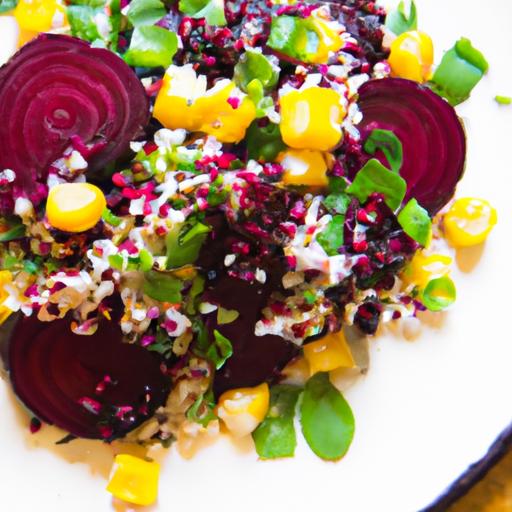


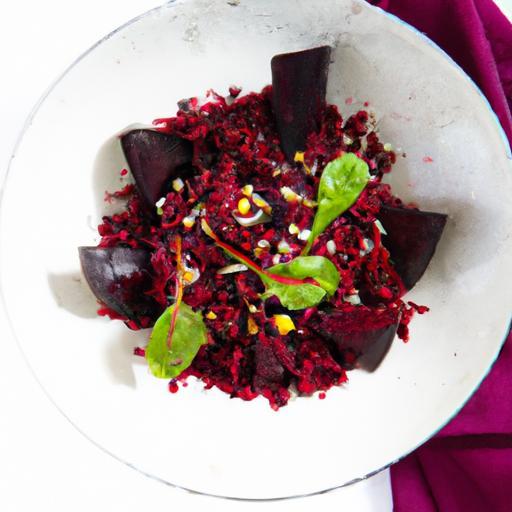
There’s something undeniably magical about transforming simple ingredients into a dish that not only satisfies the palate but also delights the eyes. Enter roasted beet couscous-a vibrant twist on a classic staple that breathes new life into everyday meals. This colorful concoction marries the earthy sweetness of caramelized beets with the light, fluffy texture of couscous, creating a symphony of flavors and textures that’s as nutritious as it is indeed visually stunning. Whether you’re looking to elevate your weeknight dinner or impress guests with a splash of vivid color and bold taste, roasted beet couscous offers a fresh, modern take that’s both wholesome and irresistible.
Roasted Beet Couscous transforms humble ingredients into a dazzling and wholesome meal bursting with layered flavors and vibrant colors. This dish is a party of nature’s bounty-earthy roasted beets unlock their luscious natural sweetness, creating a delightful contrast against the light, fluffy couscous that serves as a perfect canvas. Inspired by Mediterranean warmth and the art of balancing textures, this recipe is your gateway to creating an elegant yet approachable dish that’s as visually inviting as it is tasty.
Prep and cook Time
- Readiness: 15 minutes
- Cooking: 40 minutes
- Total Time: 55 minutes
Yield
Serves 4 generous portions
Difficulty Level
Easy to Medium-perfect for weeknight dinners or impressing guests
Ingredients
- 3 medium beets, washed, trimmed
- 1 cup couscous (preferably pearl or Israeli couscous for a fluffier texture)
- 1 ¼ cups vegetable broth, low sodium
- 2 tbsp extra virgin olive oil, divided
- 1 lemon, zest and juice
- 1 garlic clove, finely minced
- ½ cup fresh parsley, chopped
- ¼ cup fresh mint, chopped
- 2 scallions, thinly sliced (white and green parts)
- Salt and freshly ground black pepper, to taste
- Optional: ¼ cup toasted pine nuts or slivered almonds for garnish
Instructions
- Preheat your oven to 400°F (200°C). Wrap each beet individually in aluminum foil to lock in moisture and ensure even roasting.
- Roast the beets directly on the oven rack for 35-40 minutes, or until easily pierced with a knife.Let them cool slightly,then rub the skins off with your hands or a paper towel.
- Dice the peeled beets into ½-inch cubes and set aside.
- Bring the vegetable broth to a boil in a medium saucepan. Stir in the couscous, cover immediately, and remove from heat. Let it sit for 8-10 minutes until all liquid is absorbed and couscous is tender.
- Fluff the couscous gently with a fork to separate the grains, preventing clumping. Drizzle 1 tablespoon olive oil while fluffing for added silkiness.
- In a small bowl, whisk together lemon juice, lemon zest, minced garlic, remaining olive oil, salt, and pepper.
- Combine couscous, roasted beet cubes, herbs (parsley, mint, scallions) and the lemon dressing. Toss lightly but thoroughly to coat every grain with flavor.
- Adjust seasoning as needed. If desired, sprinkle toasted pine nuts or slivered almonds for an extra crunch and visual appeal just before serving.
Tips for Success
- Choosing Couscous: Pearl or Israeli couscous absorbs flavors more distinctly and offers a pleasant chewiness compared to fine couscous,which tends to be softer and fluffier.
- Roasting Beets: Wrapping beets tightly in foil traps steam,reinventing the roasting technique to create tender,deeply sweet beets without drying out.
- Make-Ahead: Both roasted beets and cooked couscous can be prepared a day in advance.Store separately in airtight containers and mix fresh herbs and lemon dressing just before serving for vibrant freshness.
- Substitutions: Swap fresh mint for basil or dill for a different herbaceous twist. If unavailable,use high-quality dried herbs but reduce the quantity by half.
- Troubleshooting Clumping: Ensure couscous is fluffed thoroughly with a fork and mixed gently to keep it light and airy rather of sticky.
Serving Suggestions and Pairing Tips
Present this roasted beet couscous as a stunning vegetarian main or a colorful side dish. To highlight its luminous flavors, serve in a wide, shallow bowl to showcase the mosaic of crimson beets and verdant herbs. Garnish generously with extra fresh herbs and a wedge of lemon on the side to invite diners to adjust brightness to their taste.
For a balanced meal, complement this vibrant couscous with a crisp green salad dressed lightly with citrus vinaigrette or a creamy dollop of Greek-style yogurt seasoned with a touch of garlic and cucumber.A simple roasted chicken or grilled tofu skewers seasoned with cumin and smoked paprika also pair beautifully, offering protein without overpowering the dish’s delicate flavor profile.
This dish shines best alongside a chilled sparkling water infused with cucumber and mint or a non-alcoholic citrus spritzer to further enhance the refreshing qualities of the herbs and lemon.
| Nutrient | Per Serving |
|---|---|
| Calories | 280 kcal |
| Protein | 6 g |
| Carbohydrates | 45 g |
| Fat | 7 g |

For a deeper dive into grain bases, see our guide on Choosing the Best Couscous for Every Meal. To explore health benefits of beets, visit Healthline’s Beets Nutrition Summary.
Q&A
Q&A: Roasted Beet couscous – A Vibrant Twist on a Classic Dish
Q1: What makes roasted beet couscous different from the customary couscous recipe?
A1: Roasted beet couscous introduces a stunning burst of color and earthy sweetness that transforms the neutral base of classic couscous into a vibrant, flavor-packed dish. The beets roast to caramelized perfection, infusing every bite with depth and a touch of natural sweetness, creating a harmony between texture and taste that’s both nourishing and visually captivating.
Q2: How do you prepare the beets to get the best flavor and texture?
A2: start by peeling and cutting the beets into small, uniform cubes to ensure even roasting. Toss them in olive oil, a sprinkle of sea salt, and aromatic herbs like thyme or rosemary. Roast at about 400°F (200°C) until tender and slightly caramelized around the edges-usually 25 to 30 minutes. This process intensifies their natural sugars and yields a tender, juicy bite that beautifully complements the fluffy couscous.
Q3: Can roasted beet couscous be served warm or cold?
A3: Absolutely! This dish shines both ways. Served warm, it’s a comforting, hearty side or light main. Chilled, it morphs into a refreshing salad perfect for picnics or meal prep, where the beet’s sweetness and couscous’s soft crumb provide a delightful contrast with crisp fresh herbs and a zesty dressing.
Q4: What herbs and seasonings work best to enhance roasted beet couscous?
A4: Bright, fresh herbs like parsley, mint, and cilantro beautifully balance the earthy beets. A squeeze of lemon juice adds a lively acidity that lifts the flavors, while spices such as cumin or smoked paprika contribute warmth and complexity. A drizzle of high-quality olive oil ties these elements together, creating a dish that’s as aromatic as it is colorful.
Q5: Is roasted beet couscous suitable for dietary preferences like vegan or gluten-free?
A5: Definitely! this dish is naturally vegan when prepared with vegetable broth or water for the couscous and without any animal-based products. For gluten-free options, substitute traditional couscous made from wheat with an option like millet, quinoa, or gluten-free pearl couscous to maintain the texture and bite while accommodating dietary needs.
Q6: What are some complementary ingredients to elevate roasted beet couscous?
A6: Crunchy toasted nuts-think pistachios or walnuts-add delightful texture contrasts, while creamy elements such as crumbled feta or silky avocado offer richness. Roasted chickpeas or grilled vegetables like zucchini and eggplant can turn this dish into a satisfying,protein-packed meal. Citrus segments or pomegranate arils also bring bursts of freshness and tartness.
Q7: how can you make roasted beet couscous a meal rather than just a side?
A7: Incorporate hearty additions such as sautéed mushrooms, roasted cauliflower, or marinated tofu cubes to increase protein and substance. Layer in cooked lentils or beans for extra fiber and nutrients. Serve atop a bed of greens or alongside a tangy tahini dressing to round out the flavors and create a balanced, colorful bowl that satisfies both body and soul.Q8: What tips help achieve the perfect couscous texture when pairing it with roasted beets?
A8: Use fluffy, well-separated couscous grains to contrast with the soft beets. After cooking, fluff the couscous with a fork and allow it to cool slightly before mixing in the roasted beets and other ingredients-this keeps the textures distinct. Avoid over-soaking the couscous to prevent mushiness; just enough liquid to hydrate will preserve a light, powdery mouthfeel that feels indulgent and fresh.
Insights and Conclusions
In the colorful world of grain bowls and salads, Roasted Beet Couscous stands out as a radiant twist that both honors tradition and invites a fresh, earthy vibrancy to your plate. The sweet, caramelized notes of roasted beets mingle effortlessly with fluffy couscous, creating a harmony of textures and flavors that’s as nourishing as it is visually stunning. Whether enjoyed as a wholesome side or a centerpiece in a nourishing meal, this dish proves that a classic can always be reimagined with a splash of creativity and a burst of color. So next time you’re looking to elevate your dinner repertoire, let the humble beet lead the way-roasted, tossed, and transformed into a couscous celebration that’s as spirited as it is satisfying.