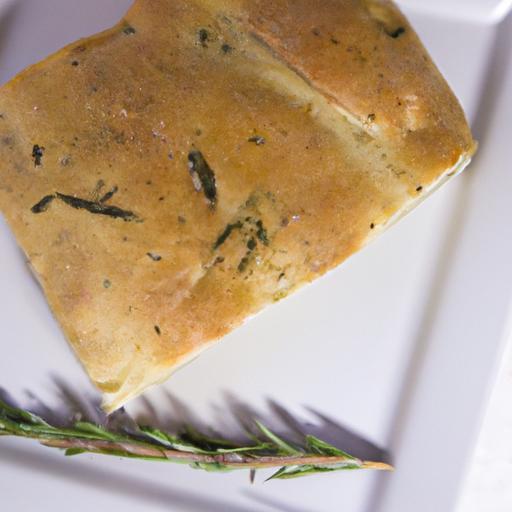


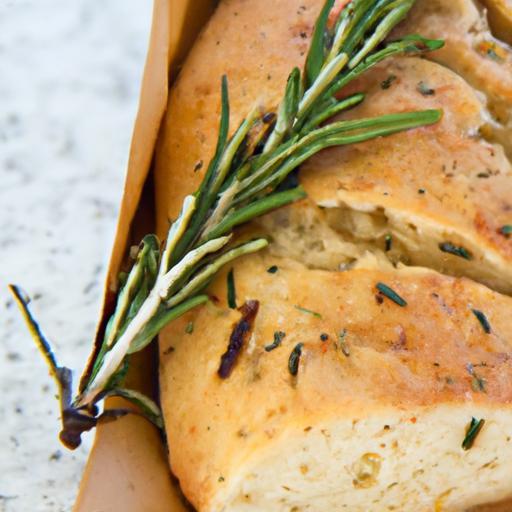
There’s something undeniably magnetic about the scent of rosemary weaving through the warm, golden crust of freshly baked focaccia. rustic Rosemary Focaccia is more than just bread-it’s an aromatic experience that transports you to sun-drenched Mediterranean hillsides, where wild herbs adn simple ingredients come together in perfect harmony. In this article, we’ll unravel the secrets behind this timeless loaf, exploring how the robust, piney notes of rosemary intermingle with olive oil and airy dough to create layers of flavor that awaken the senses. Prepare to unlock the full potential of this humble yet extraordinary bread as we dive into its history, techniques, and the sensory magic that makes Rustic Rosemary Focaccia a beloved culinary treasure.
rustic Rosemary Focaccia dough is an irresistible canvas where fragrant herbs meet golden, olive oil-kissed bread, creating an experience that is both hearty and aromatic. From its customary roots in Italian baking to its timeless charm on your kitchen counter, this bread invites you to master the balance between a crisp crust and a tender, fluffy crumb-each bite a testament to the art of simple yet powerful flavors.
Prep and Cook Time
- Preparation: 20 minutes
- first Rise: 1 hour 30 minutes
- Second Rise: 30 minutes
- Baking: 25 minutes
- Total Time: Approximately 3 hours 15 minutes
Yield
One rustic focaccia loaf, serving 6-8 peopel
Difficulty level
Medium - perfect for those ready to elevate their home baking with artisan techniques and fresh herbs.
Ingredients
- 3 ½ cups all-purpose flour, sifted
- 1 tbsp granulated yeast (instant or active dry)
- 1 ¼ cups warm water (105-110°F)
- 2 tsp fine sea salt
- ½ cup extra virgin olive oil, divided
- 2 tbsp fresh rosemary, finely chopped, plus extra sprigs for garnish
- 1 tsp coarse sea salt, for topping
Instructions
- Activate the yeast: In a small bowl, combine the warm water and yeast. Stir gently and let it bloom until frothy, about 5-7 minutes. This ensures your dough rises beautifully.
- Mix dry ingredients: In a large mixing bowl, whisk together the sifted flour and fine sea salt.
- Incorporate wet ingredients: Pour in the yeast mixture and half (¼ cup) of the olive oil into the flour mixture. Use a wooden spoon or your hands to stir until the dough starts to form.
- Knead the dough: Transfer to a lightly floured surface and knead for 8-10 minutes until smooth and elastic. Alternatively,use a stand mixer fitted with a dough hook on medium speed for 6-7 minutes.
- First rise: Lightly oil a clean bowl with olive oil. Place the dough inside, turning it once to coat with oil.Cover with a damp kitchen towel or plastic wrap and let rise in a warm place for 1 hour 30 minutes, or until doubled in size.
- Prep the pan: generously drizzle remaining olive oil into a 9×13 inch baking pan, spreading it evenly to coat the entire base and edges. This oil bath is key to that irresistible crispy bottom.
- shape the dough: Gently transfer the risen dough into the prepared pan. Use your fingers to press and stretch it evenly to fill the pan, creating dimples by pressing your fingertips all over the surface-this texture is logo of rustic focaccia’s character.
- Add rosemary and salt: sprinkle chopped rosemary evenly over the dough, then scatter the coarse sea salt. Press the toppings lightly into the dough.
- Second rise: Cover the pan loosely and allow the dough to rest for another 30 minutes. This final proof helps develop lightness and fluffiness inside.
- Bake: Preheat the oven to 425°F (220°C). Place the pan on the middle rack and bake for 20-25 minutes until the top is deep golden brown and crisp.
- Finish with olive oil: Remove from oven and immediately brush the top with a generous drizzle of fresh olive oil to enhance aroma and moistness.
- Cool before slicing: Allow the focaccia to cool in the pan for 10 minutes, then transfer to a wire rack for another 10 minutes before cutting.This resting period helps maintain its fluffiness while keeping the crust crisp.
Tips for Success When Preparing Rustic Rosemary Focaccia Dough
- Use fresh rosemary: The green,vibrant needles unlock the herb’s essential oils for a bursting aromatic profile.Dry rosemary may work but will lack that fragrant punch.
- Water temperature matters: Too hot and you risk killing the yeast; too cold and the dough won’t rise well.Aim for a warm, comforting temperature around 105-110°F.
- Don’t skimp on olive oil: It’s the magic that guarantees a golden crust and moist interior.Invest in a quality extra virgin olive oil for the best results.
- Master the dimpling: Pressing your fingertips firmly but gently distributes air pockets, allowing the focaccia to bake into an airy, fluffy masterpiece with a crisp exterior.
- Make ahead: The dough can be prepared the day before, refrigerated overnight after the first rise. Bring back to room temperature and proceed with shaping and second rise for ultimate convenience.
Serving Suggestions
this Rustic Rosemary Focaccia pairs beautifully with antipasti platters, fresh salads, and bowls of rich tomato soup. Slice it into rustic squares or long strips and drizzle with extra olive oil or balsamic glaze. Garnish with a sprig of rosemary and flaky sea salt for an elegant presentation that invites sharing.
For a creative twist, layer thin slices of heirloom tomatoes and mozzarella on top after baking, warming gently before serving for a caprese-inspired focaccia.
| Nutrient | Amount Per Serving |
|---|---|
| Calories | 210 kcal |
| Protein | 5 g |
| Carbohydrates | 30 g |
| Fat (mostly from olive oil) | 7 g |

Discover more about mastering artisan breads on our Artisan Bread Techniques page. To deepen your understanding of yeast and fermentation science, explore this excellent guide from King Arthur Baking.
Q&A
Q&A: Rustic Rosemary Focaccia – Aroma and Flavor Unleashed
Q1: What makes rosemary such a perfect herb for focaccia?
A1: Rosemary’s piney, earthy fragrance elevates the humble focaccia from simple bread to an aromatic experience. Its robust flavor holds up beautifully to the bread’s olive oil richness,infusing each bite with a fresh,herbaceous zing that awakens the senses.
Q2: How does the texture of rustic focaccia differ from other types of bread?
A2: Rustic focaccia boasts a golden crust that’s satisfyingly crisp on the outside, giving way to an open, airy crumb inside. the dimpled surface, kissed with olive oil, creates a delightful combination of crunch and softness that invites endless flavor absorption.Q3: can I enhance the focaccia’s aroma without overwhelming the rosemary?
A3: Absolutely! Complement rosemary with subtle aromatics like garlic or lemon zest. These additions gently amplify the bread’s scent without competing,creating a harmonious bouquet that draws you in without stealing center stage.
Q4: What’s the secret to achieving that classic focaccia dimpled look?
A4: Gently pressing your fingertips into the dough before baking creates the signature dimples. This technique not only looks gorgeous but also helps hold pools of olive oil and herbs, ensuring every bite bursts with flavor and moisture.
Q5: How crucial is olive oil in this recipe?
A5: Olive oil is essential-it’s the lifeblood of rustic focaccia. It imparts richness, deepens the crust’s golden hue, and enhances mouthfeel. High-quality extra virgin olive oil also boosts the bread’s aroma, making it an indispensable ingredient for flavor and texture alike.
Q6: Can I incorporate other herbs or toppings alongside rosemary?
A6: Yes! Thyme, oregano, or sage all pair wonderfully with rosemary.For toppings, think coarse sea salt, caramelized onions, or sun-dried tomatoes. These additions layer complexity while keeping rosemary as the star herb.Q7: Is it better to use fresh or dried rosemary for focaccia?
A7: Fresh rosemary is preferred for its vibrant aroma and tender texture, which infuses the focaccia with lively herbal notes. Dried rosemary works in a pinch but can be more potent and less fragrant, so use it sparingly if fresh isn’t available.
Q8: What’s the best way to enjoy rustic rosemary focaccia?
A8: Enjoy it warm from the oven, either on its own or alongside a rustic soup or creamy cheese spread. Its aromatic depth and rustic chew make it a perfect companion for a cozy meal or a flavorful snack.Q9: How long can I store rosemary focaccia without losing its fresh qualities?
A9: Store focaccia wrapped in a clean kitchen towel at room temperature for up to two days to maintain its crust and aroma. For longer storage, freeze slices sealed tightly-reheat gently to revive the fresh-rosemary flavor and texture.
Q10: Any tips for beginners baking rustic rosemary focaccia?
A10: Patience is key. Letting the dough rise slowly enhances flavor and texture.Don’t shy away from generous olive oil and rosemary sprigs-they may seem like small touches but unleash a big, rustic character in every bite.
Closing Remarks
As the final notes of rosemary’s piney fragrance linger in the air and the golden crust crackles beneath your fingertips, this rustic focaccia invites more than just a taste-it offers an experience. By embracing simple, quality ingredients and the soulful art of slow baking, you’ve unlocked a symphony of aroma and flavor that transforms everyday bread into something memorable. Whether shared around a bustling table or savored solo with a drizzle of olive oil, this Rustic Rosemary Focaccia stands as a fragrant testament to the timeless joy found in baking from the heart.So go ahead-bake, breathe in deeply, and let every bite tell a story of wholesome tradition and savory delight.