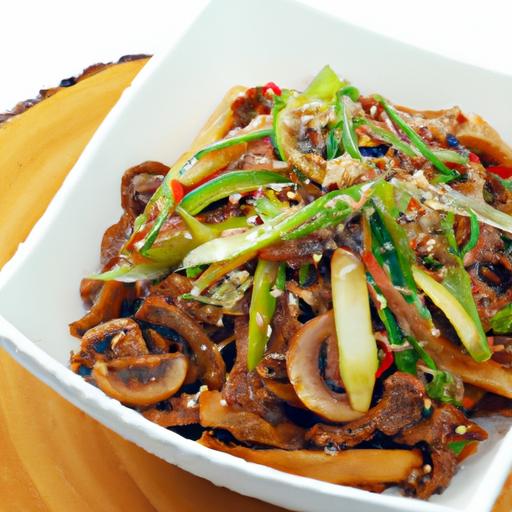


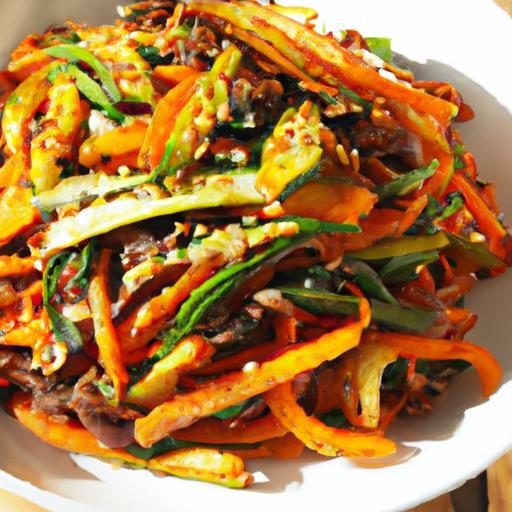
In the vibrant world of Korean cuisine,bulgogi stands out as a beloved classic-traditionally a savory symphony of marinated beef grilled to perfection. Yet, as plant-based dining continues to capture hearts and palates worldwide, a deliciously innovative twist has emerged: Korean vegetarian bulgogi. This flavorful stir-fry delight reimagines the iconic dish using wholesome,meat-free ingredients that honor the original’s rich taste while offering a fresh and nourishing experience. Join us as we dive into the art of savoring Korean vegetarian bulgogi, exploring its vibrant flavors, simple readiness, and why it’s rapidly becoming a favorite for both vegetarians and food enthusiasts eager to explore the bold tastes of Korea without compromise.
Choosing the Perfect Plant-Based Ingredients for Authentic Korean Bulgogi
Savor Korean Vegetarian Bulgogi begins with selecting the ideal plant-based ingredients that capture the essence of traditional bulgogi’s rich texture and savory sweetness. When recreating this beloved Korean classic without meat, the ingredient choice is crucial to bring depth, bite, and authenticity to the dish.
Many chefs and home cooks alike gravitate towards king oyster mushrooms due to their meaty texture and ability to soak up flavors beautifully. Their thick stems can be sliced thinly, mimicking the chewiness of traditional bulgogi beef. alternatively, tofu-especially extra firm or pressed varieties-offers a protein-rich canvas, while tempeh introduces a nutty flavor that deepens the dish’s complexity.
Don’t overlook the power of fresh vegetables like julienned carrots, slivered bell peppers, and thinly sliced onions to add crunch and subtle sweetness. The magic begins here-these elements not only build layers of texture but also help absorb the rich marinade, elevating each bite.
For extra authenticity, opt for Asian pear in the marinade base. This natural sweetener tenderizes the mushrooms or tofu while imparting that signature fruity sweetness iconic to korean bulgogi.
Mastering the Art of Marinade: Balancing Sweet and Savory Flavors
At the heart of Savor Korean Vegetarian Bulgogi is a masterful marinade that marries sweetness with umami depth. Achieving this delicate balance means harmonizing key ingredients: soy sauce for savory saltiness, brown sugar or maple syrup as natural sweeteners, and a touch of sesame oil to layer in toasty richness.
A splash of grated ginger and minced garlic introduces warmth and spice, while the subtle twang of rice vinegar or mirin brightens the overall flavor profile. To infuse traditional Korean depth, fermented gochujang or doenjang adds earthiness without overwhelming the delicate plant-based ingredients.
Mixing finely chopped green onions and a pinch of freshly cracked black pepper ensures each bite bursts with vitality. Letting the mushrooms or tofu soak for at least 30 minutes (or better, overnight!) allows this complex flavor symphony to permeate deeply, ensuring every morsel sings.
Step-by-Step Guide to Stir Frying for Maximum Taste and Texture
Perfecting the stir fry technique is essential to unlock the full potential of Savor Korean Vegetarian Bulgogi. Start by heating a quality non-stick skillet or wok over medium-high heat until it’s shimmering hot-this guarantees that beautiful caramelization that Korean cooking is known for.
- prep the ingredients: Ensure your mushrooms or tofu are sliced thin and marinated well. Drain excess marinade but keep some handy for basting.
- Oil the pan: Add 1-2 tablespoons of neutral-flavored oil like canola or grapeseed, then toss in your protein choice.
- Sear without crowding: Spread ingredients evenly and let them cook undisturbed for 2-3 minutes to develop golden edges. Flip and repeat on the other side.
- Incorporate veggies: Add onions,bell peppers,and carrots. Stir fry quickly,3-4 minutes,keeping vegetables crisp but tender.
- Baste with marinade: Pour in remaining marinade to deglaze the pan,stirring constantly until sauce thickens slightly and glazes the ingredients beautifully.
- Finish with toasted sesame seeds and green onions: Sprinkle to boost aroma and add fresh crunch.
This careful timing and high heat create the perfect textural contrast-tender with crispy charred edges-essential to an irresistible Savor Korean Vegetarian Bulgogi experience.
Serving Suggestions to Elevate Your Vegetarian Bulgogi Experience
Presentation is key when savoring this vibrant dish. Plate your bulgogi over a steaming bed of short-grain steamed rice or for a lower-carb twist, serve atop cauliflower rice. Garnish with freshly sliced green onions, a scattering of toasted sesame seeds, and a few sprigs of fragrant cilantro or perilla leaves for herbal brightness.
For a truly immersive experience, wrap spoonfuls in crisp lettuce leaves alongside a dollop of gochujang sauce or ssamjang, offering layers of heat and creaminess. Complement this with simple banchan like house-made kimchi or pickled radish for vibrant contrast.
Pair with a chilled barley tea or a fizzy Korean sparkling water to refresh the palate between bites.

Prep and Cook Time
- Preparation: 20 minutes
- Marinating: 30 minutes to overnight
- Cooking: 10 minutes
Yield
- Serves 4 hearty portions
Difficulty Level
- Medium - approachable for enthusiastic home cooks
Ingredients
- 400g king oyster mushrooms, thinly sliced
- 1 Asian pear, grated
- 1/4 cup soy sauce (use gluten-free if preferred)
- 2 tbsp brown sugar or maple syrup
- 2 tbsp sesame oil
- 3 cloves garlic, minced
- 1 tbsp fresh ginger, grated
- 2 green onions, finely chopped
- 1 tbsp gochujang (optional for mild heat)
- 1 tsp rice vinegar
- 1 large carrot, julienned
- 1 bell pepper (red or yellow), thinly sliced
- 1/2 medium onion, thinly sliced
- 2 tbsp neutral oil (canola or grapeseed)
- 1 tbsp toasted sesame seeds, for garnish
- Salt and freshly ground black pepper, to taste
Instructions
- Prepare the mushrooms: Clean and slice king oyster mushrooms into thin, irregular strips that mimic bulgogi’s texture.
- Make the marinade: In a bowl, combine grated Asian pear, soy sauce, brown sugar, sesame oil, garlic, ginger, green onions, gochujang, and rice vinegar. Stir well until sugar dissolves.
- Marinate: Toss mushroom slices in the marinade,cover and refrigerate for at least 30 minutes,preferably overnight for deeper flavor absorption.
- Prep vegetables: Julienne carrots and thinly slice bell pepper and onion. Keep ready.
- Heat the pan: Warm oil in a wok or large skillet over medium-high heat until shimmering.
- Cook mushrooms: drain mushrooms from marinade (reserve liquid). stir fry until golden and slightly crispy on edges, about 5 minutes.
- Add veggies: Toss in onions, bell peppers, and carrots. Stir fry 3-4 minutes until just tender but crisp.
- Deglaze and glaze: Pour reserved marinade over the stir fry, tossing quickly as it thickens and coats all ingredients evenly, about 2 minutes.
- Season and finish: Adjust seasoning with salt and pepper if needed.Remove from heat.
- Serve: Transfer to your serving dish and garnish generously with toasted sesame seeds and extra chopped green onions.
Tips for Success
- Press tofu for at least 15 minutes if substituting mushrooms, then slice thin and marinate similarly for best flavor.
- Don’t overcrowd the pan to ensure perfect caramelization-cook in batches if necessary.
- Use Asian pear or ripe pear for natural sweetness and tenderizing effect-apple can be a substitute but flavor differs slightly.
- Marinating overnight enhances depth but even 30 minutes yields a flavorful result.
- Add a splash of water or vegetable broth while stir frying if the marinade thickens too quickly or sticks.
Nutritional Facts
| serving Size | Calories | Protein | Carbs | Fat |
|---|---|---|---|---|
| 1/4 recipe | 210 kcal | 6g | 22g | 10g |
Q&A
Q&A: savor Korean Vegetarian Bulgogi: A Flavorful Stir Fry Delight
Q1: What is Korean vegetarian bulgogi?
A1: Korean vegetarian bulgogi is a plant-based twist on the classic Korean dish traditionally made with marinated beef.Instead, it features ingredients like mushrooms, tofu, or seitan that soak up the rich, savory-sweet marinade, delivering that iconic bulgogi flavor without any meat.
Q2: What key ingredients give vegetarian bulgogi its authentic taste?
A2: the magic lies in the marinade-a harmonious blend of soy sauce, garlic, ginger, sesame oil, brown sugar or honey, and Korean pear or apple to add natural sweetness. Combining these with umami-packed mushrooms, like shiitake or king oyster, mimics the meaty texture and depth of traditional bulgogi.
Q3: Can I make bulgogi with other vegetables besides mushrooms?
A3: Absolutely! While mushrooms are a popular choice due to their texture, firm tofu, tempeh, or seitan can also be splendid bases. Vegetables like zucchini, bell peppers, and onions are great for stir-frying alongside the main ingredient, adding layers of flavor and color.
Q4: How long should I marinate the vegetarian protein for the best flavor?
A4: For optimal taste, marinate for at least 30 minutes, but if time allows, an hour or even overnight in the fridge really lets the flavors penetrate deeply, creating a more intense and satisfying bulgogi experience.
Q5: What’s the best way to cook vegetarian bulgogi?
A5: A hot skillet or wok is ideal. Stir-fry the marinated mushrooms or vegetarian protein over high heat until caramelized and tender. Rapid cooking locks in the juices and creates those beautiful browned edges that are signature to bulgogi.
Q6: How can I serve vegetarian bulgogi for a complete meal?
A6: Serve it over steamed rice or wrapped in crisp lettuce leaves with a side of kimchi, pickled radishes, and sliced scallions for fresh crunch. Adding a drizzle of sesame seeds or a sprinkle of chopped green onions elevates both flavor and presentation.
Q7: Is vegetarian bulgogi suitable for people who are new to Korean cuisine?
A7: Definitely! Vegetarian bulgogi is an approachable introduction to Korean flavors-its balance of sweet, savory, and umami appeals to many palates and showcases the flavorful possibilities of Korean cooking beyond meat-centric dishes.
Q8: Can I prepare vegetarian bulgogi in advance?
A8: Yes! Marinate your ingredients ahead of time and store in the refrigerator. You can also pre-cook the bulgogi and gently reheat it before serving. Just be mindful that freshly stir-fried bulgogi has the best texture and flavor.
Q9: Are there any variations or add-ins to experiment with?
A9: Certainly. Some cooks add a dash of gochujang (Korean chili paste) for subtle heat or a splash of rice vinegar for brightness. Toasted pine nuts or crushed peanuts sprinkled on top add delightful texture contrasts.
Q10: What makes vegetarian bulgogi a flavorful stir fry delight?
A10: It’s the perfect marriage of tender, savory bites soaked in a mouthwatering marinade, quick high-heat cooking that caramelizes edges, and fresh accompaniments that balance richness with brightness-turning simple plant ingredients into an unforgettable dish bursting with Korean flavor.
Closing Remarks
As you embark on your culinary adventure with Korean vegetarian bulgogi, you’ll discover that this vibrant stir-fry is more then just a meal-it’s a celebration of bold flavors, wholesome ingredients, and cultural tradition. Whether you’re a seasoned plant-based eater or simply curious to explore new tastes, savoring this dish offers a delicious gateway into the rich tapestry of Korean cuisine. So next time you crave something savory, sweet, and utterly satisfying, let vegetarian bulgogi take center stage-and bring a touch of Korea’s flavorful heritage right to your plate.