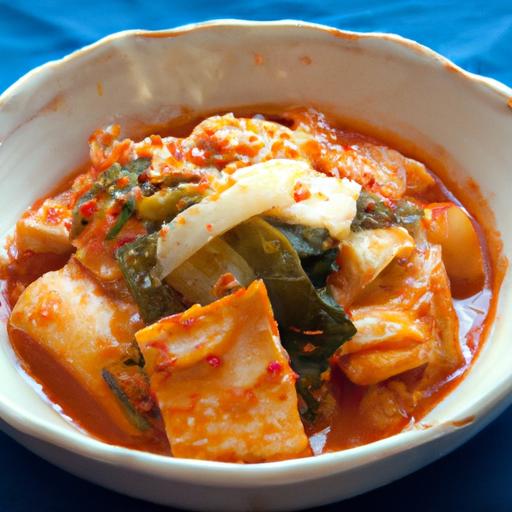



In the vibrant tapestry of Korean cuisine, few dishes capture the heart and soul quite like kimchi stew-a bubbling, comforting bowl that bursts wiht layers of spicy, tangy, and savory flavors. Traditionally brimming with meats and seafood, this iconic stew has gracefully evolved to embrace the growing wave of plant-based dining. “savor the Flavor: A Guide to Vegetarian Korean Kimchi Stew” invites you on a culinary journey where rich textures and bold spices harmonize without a trace of animal products. Whether you’re a seasoned kimchi lover or a curious newcomer, this guide will unveil secrets and tips to craft a hearty, soul-warming stew that honors tradition while celebrating the vibrant possibilities of vegetarian cooking. Get ready to transform simple ingredients into a feast that’s as nourishing for the body as it is indeed thrilling for the taste buds.
Savor the Flavor by crafting a deeply satisfying vegetarian Korean kimchi stew that’s both comforting and vibrant. This iconic dish, known as Kimchi Jjigae in Korean cuisine, comes alive when built from scratch with fresh, thoughtfully selected ingredients, ensuring every spoonful bursts with authentic taste and nuanced textures. Steeping in centuries of tradition, this stew reflects Korea’s passion for fermentation and balance, yet it warmly welcomes creative modern twists perfect for any kitchen.
Prep and Cook Time
- Preparation: 20 minutes
- Cooking: 40 minutes
- Total Time: 1 hour
Yield
Serves 4 hearty portions
Difficulty Level
Medium – accessible for dedicated home cooks ready to master fermentation and balanced seasoning
Ingredients
- 2 cups well-fermented vegetarian kimchi, chopped
- 1 tablespoon sesame oil
- 1 medium yellow onion, thinly sliced
- 4 cloves garlic, minced
- 1 teaspoon grated fresh ginger
- 1 block (14 oz) firm tofu, drained and cubed
- 4 cups vegetable broth (preferably homemade or low-sodium)
- 1 tablespoon Korean red chili flakes (gochugaru), adjust to taste
- 2 tablespoons korean fermented soybean paste (doenjang) or miso as substitute
- 1 teaspoon soy sauce or tamari (gluten-free option)
- 1 medium zucchini, sliced into half-moons
- 3 green onions, chopped (white and green parts separated)
- 1 teaspoon sugar or a natural sweetener like maple syrup (optional, balances acidity)
- Fresh black pepper, to taste
- Optional garnish: toasted sesame seeds, sliced chilies, or fresh cilantro
Instructions
- Heat the sesame oil in a heavy-bottomed pot over medium heat. Add the sliced yellow onion and sauté until translucent and fragrant, about 5 minutes. Stir occasionally to avoid browning.
- Add minced garlic and grated ginger, cooking for another minute until aromatic, releasing their warmth into the oil.
- Stir in the chopped kimchi and cook gently for 3-4 minutes to deepen the flavors and soften the cabbage. this step enhances the stew’s signature tangy base.
- Sprinkle in the Korean red chili flakes (gochugaru) and the fermented soybean paste (doenjang). mix thoroughly, letting the spices bloom in the mixture for 2 minutes. Adjust chili flakes based on your heat preference.
- Pour in the vegetable broth, soy sauce, and sugar, then bring the stew to a gentle boil. Reduce heat to a simmer and let it cook uncovered for 20 minutes to allow the flavors to meld beautifully.
- Add diced tofu and zucchini to the pot, stirring carefully to combine without breaking the tofu. Continue simmering for another 10 minutes, ensuring tofu absorbs the stew’s essence.
- Just before turning off the heat, add the white parts of the green onions and season with freshly ground black pepper. Stir well.
- Serve hot in deep bowls, garnished with green parts of the green onions, toasted sesame seeds, and optional fresh herbs or sliced chili for a burst of color and texture.
Tips for success
- Choosing kimchi: For the richest stew experience, select well-aged vegetarian kimchi that’s tangy but not overly salty. If unavailable, homemade kimchi (see internal link: Mastering vegetarian kimchi fermentation) unlocks deeper flavors.
- Balancing Acidity: If your kimchi is very sour, add a pinch more sugar or a splash of mirin to soften the sharpness without overwhelming.
- Substitution Notes: When Korean ingredients are tricky to source, substitute doenjang with a quality miso paste and gochugaru with a blend of smoked paprika and cayenne pepper.
- Make-Ahead Tip: This stew tastes even better the next day as the flavors deepen. Store covered in the fridge for up to 3 days and reheat gently.
- Vegetable Variations: Feel free to add mushrooms, carrots, or kale for more texture and nutrients without disrupting the stew’s balance.
Serving Suggestions
Present this vegetarian kimchi stew with steaming bowls of fluffy white or brown rice to soak up the vibrant broth. A side of lightly sautéed spinach or blanched bean sprouts complements the stew’s spicy and sour layers beautifully. For an elegant touch, garnish with a drizzle of toasted sesame oil and a sprinkle of crunchy toasted sesame seeds. Add thinly sliced fresh chilies if you prefer an extra kick.Pairing the stew with conventional Korean side dishes (banchan) like pickled radish or seasoned seaweed elevates the meal to a genuine Korean culinary experience.
| Nutrient | Amount (per serving) |
|---|---|
| Calories | 210 kcal |
| Protein | 14 g |
| Carbohydrates | 18 g |
| Fat | 8 g |

Discover more on traditional Korean flavors and fermentation techniques at Maangchi’s official site, an excellent resource for authentic recipes and culinary culture.
Q&A
Q&A: Savor the Flavor – A Guide to Vegetarian Korean Kimchi Stew
Q1: What makes kimchi stew such a beloved dish in Korean cuisine?
A1: Kimchi stew, or kimchi jjigae, is a comforting and hearty dish that highlights the rich, fermented flavors of kimchi. It’s beloved for its balance of spicy, sour, and umami notes, warming the soul especially during colder months. The stew embodies the essence of home-cooked Korean meals-simple, vibrant, and deeply satisfying.
Q2: How can kimchi stew be adapted to suit a vegetarian diet without losing its authentic flavor?
A2: The magic of vegetarian kimchi stew lies in building layers of umami without animal-based broths. Using ingredients like mushrooms, tofu, and fermented soybean paste (doenjang), along with vegetable stock, captures depth and heartiness. Combining these elements with traditionally fermented kimchi maintains that iconic tang and spice while keeping the dish plant-based.
Q3: What types of kimchi are best suited for vegetarian kimchi stew?
A3: Classic napa cabbage kimchi works wonderfully for vegetarian stews due to its firm texture and bold flavor. Since kimchi itself is often fermented with fish sauce, look for vegan or vegetarian kimchi varieties-made without anchovy or shrimp paste-to keep the stew entirely plant-based while still delivering that signature tang.
Q4: Which vegetables complement the flavors and textures in vegetarian kimchi stew?
A4: A medley of hearty vegetables brightens the stew and adds depth-think zucchini, mushrooms (shiitake or oyster add umami), onions, and potatoes for comfort and body. Greens like spinach or bok choy added toward the end provide freshness and balance the richness.
Q5: What are some tips to achieve a rich, flavorful broth without using meat or fish ingredients?
A5: Start by simmering dried kelp (kombu) and dried shiitake mushrooms in water to create an umami-packed stock. Adding fermented soybean paste (doenjang) enhances complexity.Don’t underestimate the power of slow simmering-this allows the flavors to meld and develop. Lastly, a touch of toasted sesame oil at the end gives a fragrant finish.
Q6: How spicy is traditional kimchi stew, and can the heat be adjusted?
A6: Traditionally, kimchi stew carries a moderate to high level of spice thanks to Korean chili flakes (gochugaru). Though, heat is highly customizable! Reduce or increase gochugaru to your preference, or balance the spice with a bit of sweetness by adding a teaspoon of sugar or a dash of mild vegetable broth.
Q7: What’s the best way to serve vegetarian kimchi stew for an authentic Korean experience?
A7: Serve piping hot in earthenware bowls, accompanied by a steaming bowl of rice and an array of banchan (side dishes) like seasoned spinach, pickled radish, or spicy cucumber salad. A side of crispy pan-fried tofu or soft steamed eggs (if ovo-vegetarian) completes the meal, offering a delightful textural contrast.
Q8: Can kimchi stew be prepared in advance, and how does it hold up for leftovers?
A8: Absolutely! Kimchi stew often tastes even better the next day, as the flavors continue to meld and intensify. Keep leftovers refrigerated in an airtight container for up to three days. When reheating, add a splash of water or vegetable broth to refresh the broth’s consistency.
This Q&A aims to unlock the secrets behind an irresistible vegetarian kimchi stew, inviting you to savor every spoonful of this vibrant Korean classic without compromise!
The Way Forward
as the steam rises from your bowl of vegetarian Korean kimchi stew, savor not only its rich, complex flavors but also the vibrant culture simmering within every bite. this humble dish, rooted in tradition yet adaptable for modern tastes, invites you to explore a world where tangy, spicy, and umami notes dance harmoniously on your palate-all without a hint of meat. Whether you’re a seasoned kimchi lover or a curious newcomer, embracing this plant-based stew opens a delicious doorway to Korean cuisine’s soul.So, gather your ingredients, stir the pot, and let each spoonful warm both body and spirit-as in every simmering bowl lies a story worth tasting.