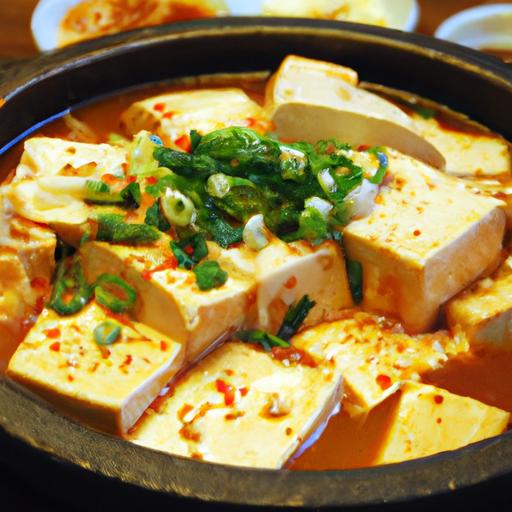


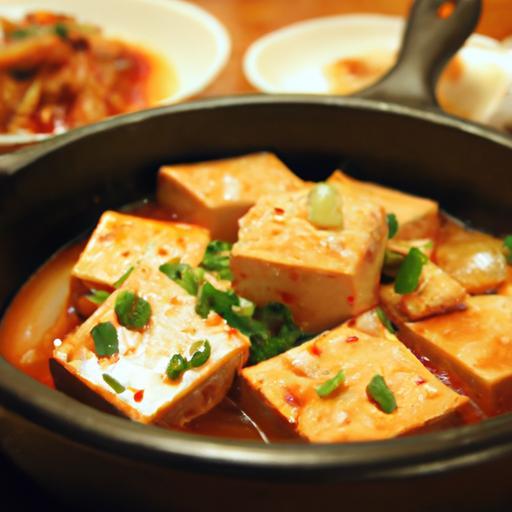
When it comes to comfort food that warms both heart and soul, few dishes can rival the bold, bubbling embrace of Korean tofu stew. Known as soondubu jjigae, this vibrant stew is a harmonious blend of silken tofu, fiery chili paste, savory broth, and an array of fresh ingredients that come together in a symphony of flavors and textures. Whether you’re a spice enthusiast or a curious foodie eager to explore the depths of Korean cuisine, this flavorful guide will lead you through the rich history, essential ingredients, and simple techniques to master this beloved dish. Prepare to savor the spice and discover why Korean tofu stew is more than just a meal-it’s an experience that ignites the senses and nourishes the soul.
Choosing the Perfect Tofu for Ultimate Texture and Taste
Korean Tofu Stew calls for tofu that holds its shape yet absorbs the complex, spicy flavors beautifully. For an optimal balance, medium-firm tofu is your best friend-it’s sturdy enough to stay intact during simmering but soft enough to soak up the stew’s rich broth.
Silken tofu is silky smooth but often falls apart, making it better suited for softer stews or soups, while extra-firm tofu can be dense and less responsive to the marinade’s nuances. When selecting tofu, look for a block that feels firm yet slightly springy. gently pressing your tofu between paper towels before cooking helps remove excess moisture, enhancing its ability to absorb the stew’s vibrant flavors.
For added texture, try cutting the tofu into irregular cubes or slices, letting each piece carry a slightly different mouthfeel-some with soft edges and others crispier if pan-seared briefly before adding to the stew.
Unlocking the Secrets of Korean Chili Paste for Authentic Heat
The soul of this stew lies in its chili paste, gochujang. This fermented red chili paste blends heat with subtle sweetness and umami depth, creating the signature fire and flavor of Korean cuisine. when sourcing gochujang, opt for a reputable brand that balances spice and fermentation without overwhelming artificial additives.
Use gochujang thoughtfully; it’s potent and can dominate if overused. Start with one to two tablespoons, adjusting to your heat tolerance. Complementing it with gochugaru (Korean chili flakes) adds a nuanced smokiness and texture, elevating your stew’s complexity. If you prefer a milder kick, mix gochujang with a bit of misugaru (rice syrup) or natural sweeteners to soften the spice while enhancing caramelization in the broth.
Building a Balanced Broth with Aromatic Ingredients
A robust broth transforms this humble stew into an unforgettable experience. Start with a base of kombu dashi or vegetable broth to add richness and umami without overpowering tofu’s gentle profile. Infuse it with layers of fresh aromatics like smashed garlic cloves, sliced ginger, and thinly sliced scallions, which provide a fragrant backdrop and subtle heat.
the addition of soy sauce, a touch of sesame oil, and a pinch of salt harmonizes the stew’s saltiness and depth. Balancing acidity with a splash of rice vinegar or a squeeze of fresh lime juice at the end brightens the flavors, preventing heaviness and inviting continued spoonfuls.
Let the broth simmer gently to allow the ingredients to marry, thickening slightly and turning a deep reddish hue as the gochujang dissolves, creating an irresistible aroma that hints at the spicy comfort within.
Expert tips for Serving and pairing Your Korean Tofu Stew
Present your stew steaming hot in a traditional Korean stone pot or a rustic earthenware bowl for optimal heat retention and authentic flair. Garnish with finely chopped scallions, fresh cilantro, or toasted sesame seeds to introduce freshness and crunch, contrasting the stew’s hearty mouthfeel.
Serve alongside short-grain steamed rice-the perfect neutral partner to scoop and soak up every drop of luscious broth.For an elevated experience,include classic Korean banchan such as kimchi,pickled radishes,or seasoned spinach. These side dishes add layers of flavor and texture, rounding out your meal beautifully.
Complement your dish with a chilled barley tea or a light,crisp cucumber salad to cool the palate between spicy bites,enhancing the overall dining experience.

Prep and cook Time
- Planning: 15 minutes
- Cooking: 25 minutes
- Total Time: 40 minutes
Yield
serves 4 hearty portions
Difficulty Level
Medium – approachable for cooks pleasant with layering flavors and multitasking in the kitchen
Ingredients
- 14 oz (400g) medium-firm tofu, pressed and cut into 1-inch cubes
- 2 tbsp gochujang (Korean chili paste)
- 1 tbsp gochugaru (Korean chili flakes)
- 4 cups kombu dashi or vegetable broth
- 1 tbsp soy sauce
- 1 tbsp sesame oil
- 4 cloves garlic, smashed
- 1-inch piece ginger, thinly sliced
- 1 medium zucchini, sliced
- 1 cup shiitake mushrooms, sliced
- 1 small onion, sliced
- 2 scallions, thinly sliced (plus extra for garnish)
- 1 tsp rice vinegar
- Salt to taste
Instructions
- Prepare tofu by gently pressing between paper towels for 10 minutes to remove excess water. Cut into uniform cubes and set aside.
- In a large pot, heat sesame oil over medium heat. Add garlic,ginger,and onion. Sauté until onion turns translucent, about 4 minutes, stirring frequently to prevent burning.
- Stir in gochujang and gochugaru, cooking for 1-2 minutes until fragrant and the oil starts to turn red. This brings out the deep flavors of the chili paste.
- Pour in the kombu dashi or vegetable broth and soy sauce. Bring to a gentle boil.
- Add zucchini and shiitake mushrooms, simmer for 5 minutes, allowing the vegetables to soften but retain slight bite.
- carefully add tofu cubes, gently stir to coat them in the broth without breaking apart, and reduce to a low simmer. cook for an additional 10 minutes, allowing the flavors to meld.
- Finish by stirring in rice vinegar and adjusting salt to taste. Add sliced scallions just before serving for a fresh oniony pop.
Chef’s Notes
- Variation: Substitute shiitake mushrooms with enoki or oyster mushrooms for a delicate, fragrant twist.
- Make-ahead tip: prepare the broth a day in advance to deepen the flavor; store tofu separately and combine before reheating gently.
- Spice adjustment: Control the heat by reducing gochujang or swapping gochugaru for smoked paprika to maintain color without intense spice.
- Tofu texture: For firmer bite, lightly pan-sear tofu cubes in sesame oil until golden before adding to stew.
Serving Suggestions
Serve steaming hot with a bowl of fluffy steamed rice and a handful of fresh scallions sprinkled on top. For garnish, add toasted sesame seeds and a few sprigs of fresh cilantro to elevate the presentation. Pair with crisp kimchi or pickled vegetables to cut through the richness and add an exciting contrast.A cool barley tea complements the heat beautifully,rounding out the experience.
| Nutrient | Per Serving |
|---|---|
| Calories | 220 kcal |
| Protein | 18 g |
| carbohydrates | 12 g |
| Fat | 10 g |
Related Reading
To deepen your understanding of Korean spices and traditional cooking techniques, check out our Complete Guide to Korean Spices. For more on Korean chili paste and its history, visit Korean Cultural Heritage Foundation.
Q&A
Q&A: Savor the spice – A Flavorful Guide to Korean Tofu Stew
Q1: What makes Korean tofu stew stand out from other tofu dishes?
A1: Korean tofu stew, or soondubu jjigae, is a harmonious blend of silky soft tofu, fiery chili paste, and a medley of savory ingredients simmered into a bubbling, aromatic broth. Its signature spicy kick combined with the creamy texture of tofu offers a comforting yet bold flavor experience that’s both hearty and wholesome.
Q2: What are the essential ingredients for an authentic Korean tofu stew?
A2: The core of soondubu jjigae includes ultra-soft silken tofu, Korean chili flakes (gochugaru), chili paste (gochujang), garlic, scallions, and a flavorful broth typically made from anchovies or kelp. Common additions include mushrooms, zucchini, and an egg cracked gently on top for richness and texture.
Q3: Can Korean tofu stew be made vegetarian or vegan without losing its depth of flavor?
A3: Absolutely! By swapping traditional seafood broths for a robust vegetable broth infused with seaweed and shiitake mushrooms, you can maintain the umami depth. Incorporating fermented bean pastes like doenjang and layers of fresh aromatic ingredients ensures the stew remains deeply satisfying while fully plant-based.
Q4: How spicy is Korean tofu stew,and can the heat be adjusted?
A4: The stew is traditionally medium to high in spice,thanks to gochugaru and gochujang.However,the heat level is highly customizable. For a milder version, reduce the chili flakes or start with half the quantity. Conversely, for those who crave intense spice, add extra chili powder or a fresh chili pepper for a fiery punch.
Q5: What is the best way to serve Korean tofu stew?
A5: Korean tofu stew is best enjoyed sizzling hot, straight from the stone pot if possible, which keeps it warm throughout the meal. Serve it alongside steamed rice and an array of Korean side dishes (banchan) such as kimchi, pickled radishes, or seasoned spinach to balance the spicy stew.
Q6: Are there regional variations of Korean tofu stew worth exploring?
A6: Indeed! while soondubu jjigae is popular nationwide, coastal regions might add fresh seafood like clams or squid (rather of pork), enhancing the stew’s oceanic umami. Inland areas frequently enough emphasize hearty vegetables and mushrooms. Each variation reflects local tastes and seasonal ingredients, inviting you to savor a different twist on the classic every time.
Q7: What tips can enhance the texture and flavor when cooking Korean tofu stew at home?
A7: For silky texture, use the softest silken tofu available and add it gently toward the end of cooking to prevent breaking. Toast your chili powder briefly to unlock its smoky aroma. Also, layering flavors by sautéing garlic and scallions before adding broth, and finishing with a delicate egg yolk stirred in just before serving, elevates both flavor and mouthfeel.
Q8: How can one enjoy Korean tofu stew as a nourishing meal during colder months?
A8: Korean tofu stew is the ultimate comfort food in chilly whether. Its warming spices, hearty broth, and satisfying protein from tofu provide warmth and energy.Pair it with a steaming bowl of rice and some pickled vegetables for a meal that soothes the soul and invigorates the senses on cold days.
Q9: Can Korean tofu stew be made ahead and reheated?
A9: While soondubu jjigae is best enjoyed fresh for its texture and spiciness, you can prepare the broth and stir-fried ingredients ahead of time. Just add the tofu and egg at the moment of serving. When reheating, do so gently to preserve the delicate tofu and avoid overcooking the egg.Q10: What makes Korean tofu stew a beloved dish beyond Korea?
A10: Its vibrant flavors, nourishing qualities, and versatility have captured hearts worldwide. The stunning balance of spicy, savory, and creamy notes makes it approachable yet exciting for adventurous eaters. Plus, it embraces both simplicity and depth, making it a perfect gateway into Korean cuisine for both novices and seasoned food lovers alike.
Insights and Conclusions
As the fragrant steam rises from a bubbling pot of Korean tofu stew, you’re not just tasting a dish-you’re experiencing centuries of tradition, culture, and culinary artistry. Whether you crave the fiery kick of gochujang or the comforting silkiness of soft tofu, this stew offers a harmonious dance of flavors that warms both body and soul. So next time you seek a meal that’s hearty, healthy, and bursting with spice, remember: Korean tofu stew isn’t just food-it’s a flavorful journey waiting to be savored, one spoonful at a time.