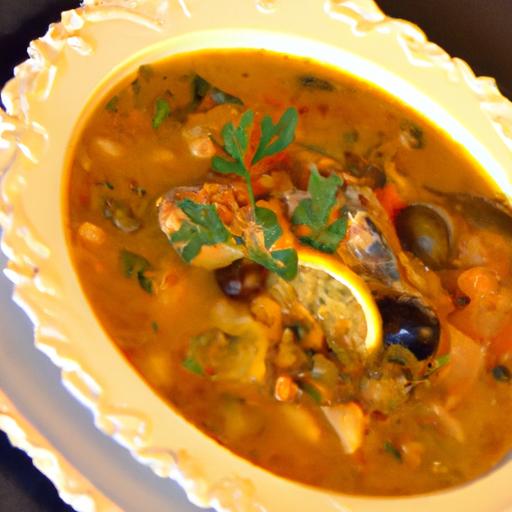


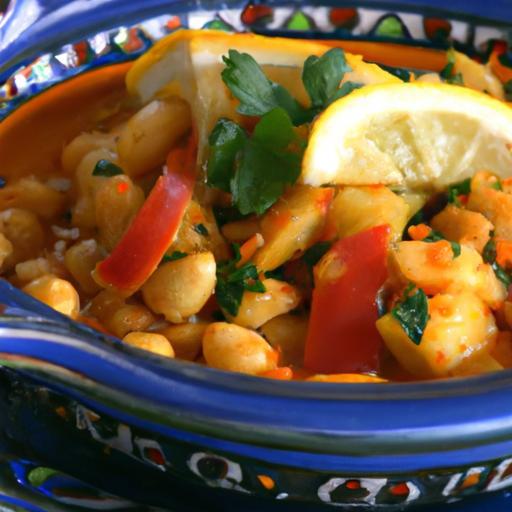
Nestled along the sun-kissed shores of Morocco, where the Atlantic waves kiss the rugged coastline, a culinary treasure simmers in clay pots and bubbling cauldrons - Moroccan fish stew. This vibrant dish, a harmonious blend of fresh seafood, aromatic spices, and colorful vegetables, captures the essence of Morocco’s coastal heritage and the rich traditions passed down through generations. More than just a meal, savoring Moroccan fish stew is an immersive journey into the flavors, history, and culture of a land where the sea’s bounty and the spice market’s allure come together in a captivating dance of taste. Join us as we dive deep into this flavorful coastal delight, uncovering the secrets behind its distinctive aroma, the artistry of its planning, and the stories that make each spoonful a celebration of Moroccan maritime life.
Origins and Cultural Meaning of Moroccan Fish Stew
Savoring Moroccan Fish Stew is not just a culinary journey – it is an immersive dive into Morocco’s vibrant coastal heritage, where the Atlantic and Mediterranean meet to inspire a dish overflowing with history, tradition, and bold flavors. This treasured stew, often called Tagine Samak or simply Moroccan Fish Stew, hails from bustling fishing towns like Essaouira and Agadir, where fresh seafood and aromatic spices blend effortlessly on rustic wooden tables.
More than a meal, this stew embodies the Moroccan way of communal dining, marked by shared platters, lively conversations, and the passing around of fragrant flatbreads to scoop up every luscious drop. Rooted in Berber, Arab, and Andalusian influences, it showcases the balance of spice, acidity, and freshness that defines Moroccan cuisine.
In many coastal families, preparing this dish is a seasonal ritual celebrating the bounty of the sea and the community’s connection to nature, reminding us of the rich globalization Morocco embraced for centuries through its ports.
Key Ingredients That Define the Rich Coastal Flavors
- Fresh white fish fillets (such as cod, sea bass, or halibut) - firm yet delicate to soak up the stew’s vibrant broth
- Tomatoes – sun-ripened or canned, creating the stew’s luscious red base
- Garlic and ginger – the aromatic backbone adding warmth and depth
- Paprika, cumin, coriander, and cayenne pepper – signature Moroccan spices that turn a simple seafood stew into a symphony of flavor
- Preserved lemon – a distinctly North African ingredient lending a shining, slightly fermented citrus punch
- Fresh cilantro and parsley - scattered generously to uplift and refresh
- Olive oil – rich, fruity, and essential to Moroccan cooking tradition
- Green olives – add briny complexity, balancing the stew’s acidity and spice
- Onions – caramelize gently to provide sweetness and body to the broth
- Water or light fish stock – to create the perfect simmering broth
Prep and Cook Time
- Preparation: 20 minutes
- Cooking: 40 minutes
- Total: 1 hour
Yield
Serves 4 hearty portions, perfect for a family dinner or sharing with friends.
Difficulty Level
Medium – approachable for cooks comfortable with layering spices and simmering stews.
Step-by-Step Guide to Crafting an Authentic Moroccan Fish Stew
- Prepare the base. heat 3 tablespoons of olive oil in a heavy-bottomed pot over medium heat. Add 1 large chopped onion and sauté untill translucent, about 5 minutes.Stir in 4 minced garlic cloves and 2 teaspoons grated fresh ginger; cook for 2 more minutes, releasing their fragrant oils.
- Build the spice profile. Sprinkle in 2 teaspoons paprika, 1 teaspoon ground cumin, 1 teaspoon coriander powder, and ¼ teaspoon cayenne pepper. Stir constantly for 1 minute to toast the spices without burning.
- Add tomatoes and aromatics. Pour in 2 cups chopped fresh tomatoes or one 14-ounce can of crushed tomatoes, along with 2 tablespoons chopped preserved lemon and ½ cup sliced green olives. Season with salt and fresh black pepper to taste.
- Simmer the broth. Add 2 cups water or fish stock and bring the mixture to a gentle boil. Reduce heat and simmer, uncovered, for 20 minutes, allowing flavors to marry and the broth to thicken slightly.
- Introduce the fish. Carefully nestle 1.5 pounds of firm white fish fillets, cut into large chunks, into the simmering stew. Spoon some broth over the fillets,cover,and cook for 8-10 minutes until the fish turns opaque and flakes easily.
- Finish with fresh herbs. just before serving, fold in ¼ cup each of chopped fresh cilantro and parsley to brighten the stew beautifully.
chef’s Notes
- fish choice: Use whatever fresh, firm white fish you prefer. Avoid flaky varieties that may disintegrate during cooking.
- Preserved lemon substitute: If unavailable, zest and juice of ½ lemon can be used, but add towards the end of cooking to simulate the tang.
- Spice adjustments: Modify the cayenne pepper to suit your heat preferences – Moroccan cuisine loves layers of flavor but balances heat thoughtfully.
- Make-ahead tip: Prepare the base stew a day in advance; it intensifies flavors. Add fish only when ready to serve.
Pairing Suggestions to Elevate Your Moroccan culinary Experience
Complete your Moroccan feast with warm, freshly baked khobz bread, perfect for soaking up every savory drop. A side of couscous with toasted almonds and dried apricots provides a sweet contrast to the spiced stew.
For beverages, opt for Moroccan mint tea, its fresh, herbaceous notes harmonizing strikingly with the stew’s bold flavors.
Garnish the stew with extra sprigs of fresh cilantro and a drizzle of olive oil for a glossy finish that appeals beautifully to the eyes and palate alike.

| Nutrient | Per Serving |
|---|---|
| Calories | 320 kcal |
| Protein | 35 g |
| Carbohydrates | 15 g |
| Fat | 12 g |
For more inspiring Moroccan recipes, check out our Moroccan Spiced Lamb Meatballs to explore another facet of the country’s rich culinary heritage.
Q&A
Q&A: Savoring Moroccan Fish Stew: A flavorful Coastal Delight
Q1: What makes Moroccan fish stew a standout dish in coastal cuisine?
A1: Moroccan fish stew shines through its vibrant blend of spices,fresh seafood,and aromatic herbs that capture the essence of Mediterranean and Atlantic coastal influences. The interplay of ingredients like preserved lemons, cumin, coriander, and fresh cilantro creates an unforgettable depth of flavor, celebrating the bounty of the sea with every spoonful.
Q2: Which types of fish are traditionally used in Moroccan fish stew?
A2: Moroccan fish stew commonly features firm, white fish such as monkfish, sea bass, or cod. These varieties hold up well during simmering and absorb the stew’s rich flavors without becoming mushy, ensuring a perfect balance of texture and taste.
Q3: How do preserved lemons enhance the stew?
A3: Preserved lemons add a unique tangy and salty brightness that elevates the stew’s flavor profile. Their mellow acidity complements the spices and seafood,creating a harmonious and slightly exotic twist that is quintessentially Moroccan.
Q4: are there vegetarian alternatives that capture the essence of this stew?
A4: While the conventional stew centers on seafood, plant-based variations can include hearty vegetables like eggplant, tomatoes, zucchini, and chickpeas, combined with the signature Moroccan spice blend. These versions honor the dish’s vibrant flavors and comforting warmth without sacrificing its coastal roots.
Q5: What role do spices play in this Moroccan delicacy?
A5: Spices such as cumin, paprika, turmeric, and coriander are the soul of Moroccan fish stew. They not only add warmth and complexity but also reflect the rich cultural tapestry of Morocco’s trading history. These spices are carefully balanced so they complement rather than overpower the freshness of the fish.
Q6: Can this stew be prepared in advance, or is it best enjoyed fresh?
A6: While the stew’s flavors deepen beautifully when allowed to rest, it’s best to add the fish just before serving to preserve its delicate texture. Preparing the broth and spice base ahead of time means you can quickly bring the stew together for a fresh, flavorful meal.
Q7: what traditional accompaniments best suit Moroccan fish stew?
A7: Moroccan fish stew pairs wonderfully with crusty bread, which is perfect for soaking up the savory broth. It’s also commonly served alongside fluffy couscous or steamed rice to provide a hearty counterpoint that balances the stew’s bold and vibrant character.
Q8: How does the coastal environment influence the ingredients and flavors of this stew?
A8: Morocco’s extensive coastline offers an abundance of fresh fish and seafood, which are at the heart of the stew.The availability of fresh herbs, citrus, and spices in the local markets further enhances the dish’s freshness and diversity, making it a true celebration of Moroccan maritime heritage.
Q9: is the stew spicy, and how can someone adjust the heat level?
A9: The stew typically carries a mild warmth from spices like paprika and chili pepper, but it is not overwhelmingly spicy. You can easily adjust the heat by moderating chili quantities or adding a touch of cooling yogurt or fresh herbs to balance the flavors to your preference.
Q10: What cultural significance does fish stew hold in Moroccan households?
A10: Beyond being a delicious meal, Moroccan fish stew embodies hospitality and community. Often prepared for family gatherings or special occasions, it reflects the country’s deep connection to the sea and the generosity of sharing richly flavored food with loved ones.
The Conclusion
As the aromatic spices of Moroccan fish stew waft through your kitchen, you’re not just preparing a meal-you’re inviting a rich coastal tradition to your table. Each spoonful offers a vibrant tapestry of flavors that tell the story of Morocco’s bountiful shores and timeless culinary heritage. Whether enjoyed with crusty bread or fluffy couscous, this stew transforms simple ingredients into an unforgettable experience. So next time you crave a dish bursting with warmth and zest, let Moroccan fish stew be your flavorful passport to the heart of the Mediterranean.